Last updated November 22, 2026
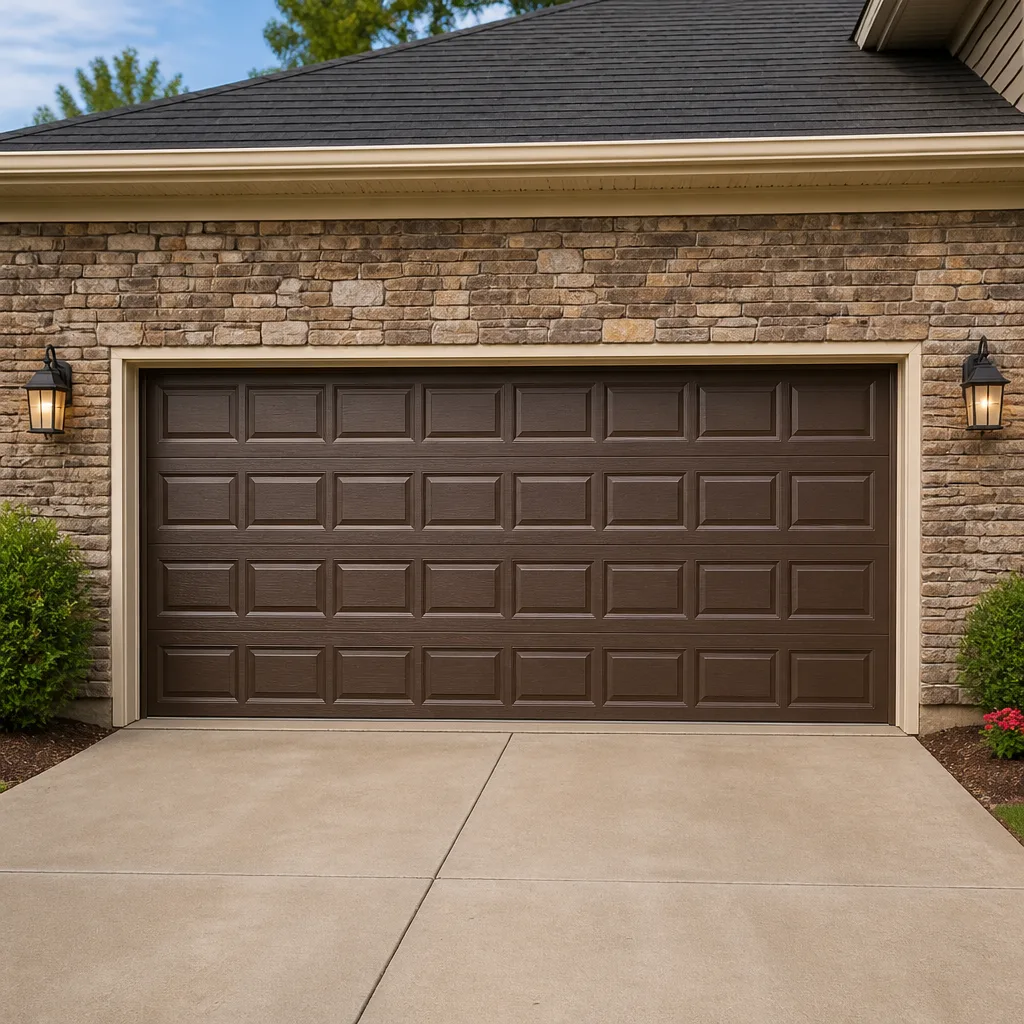 Raised-panel steel
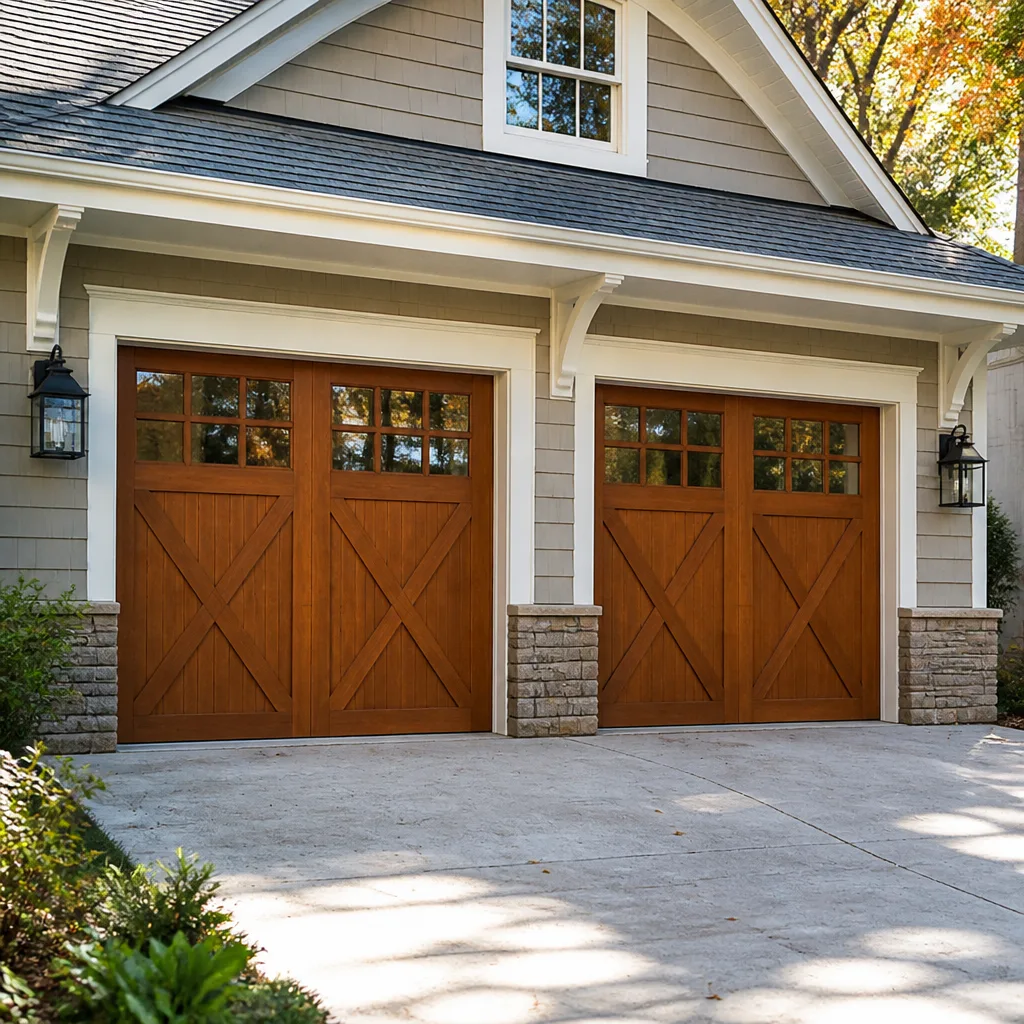 Carriage house
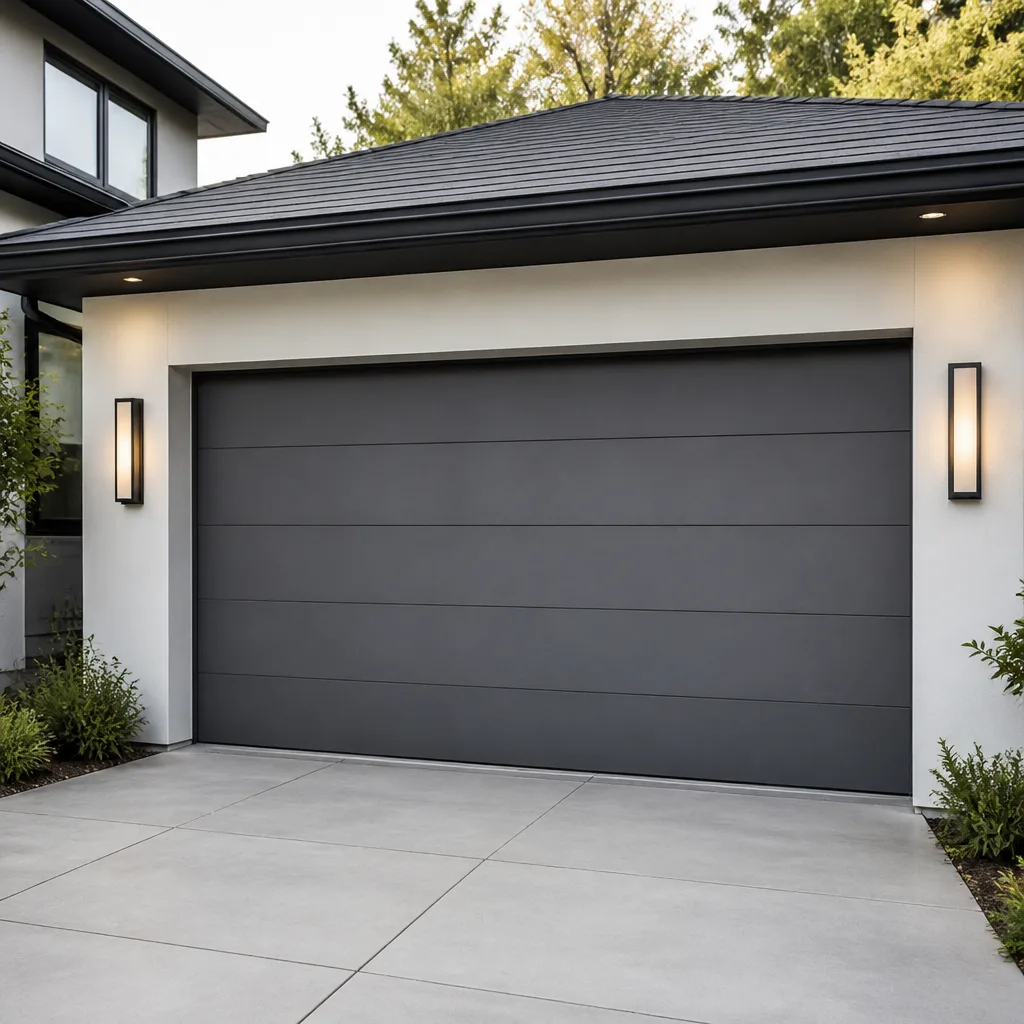 Modern flush
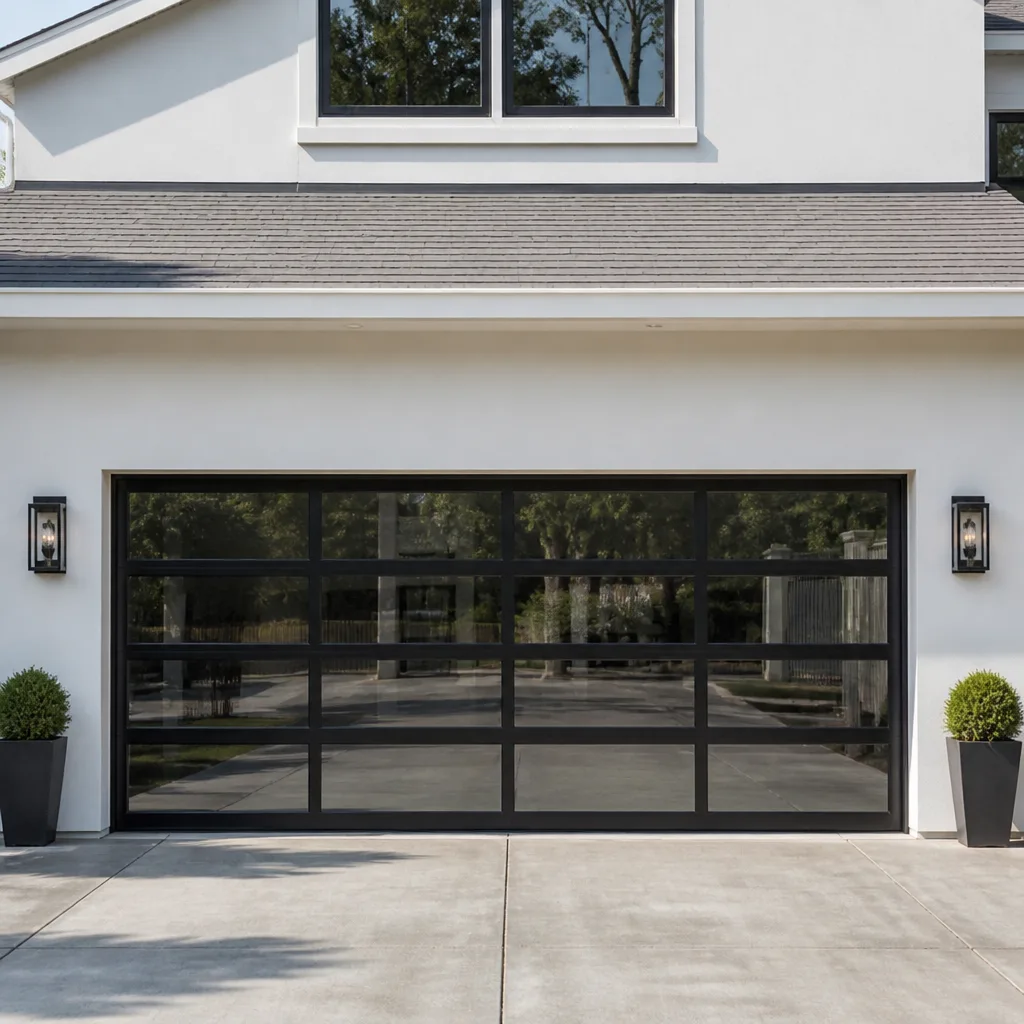 Full-view glass
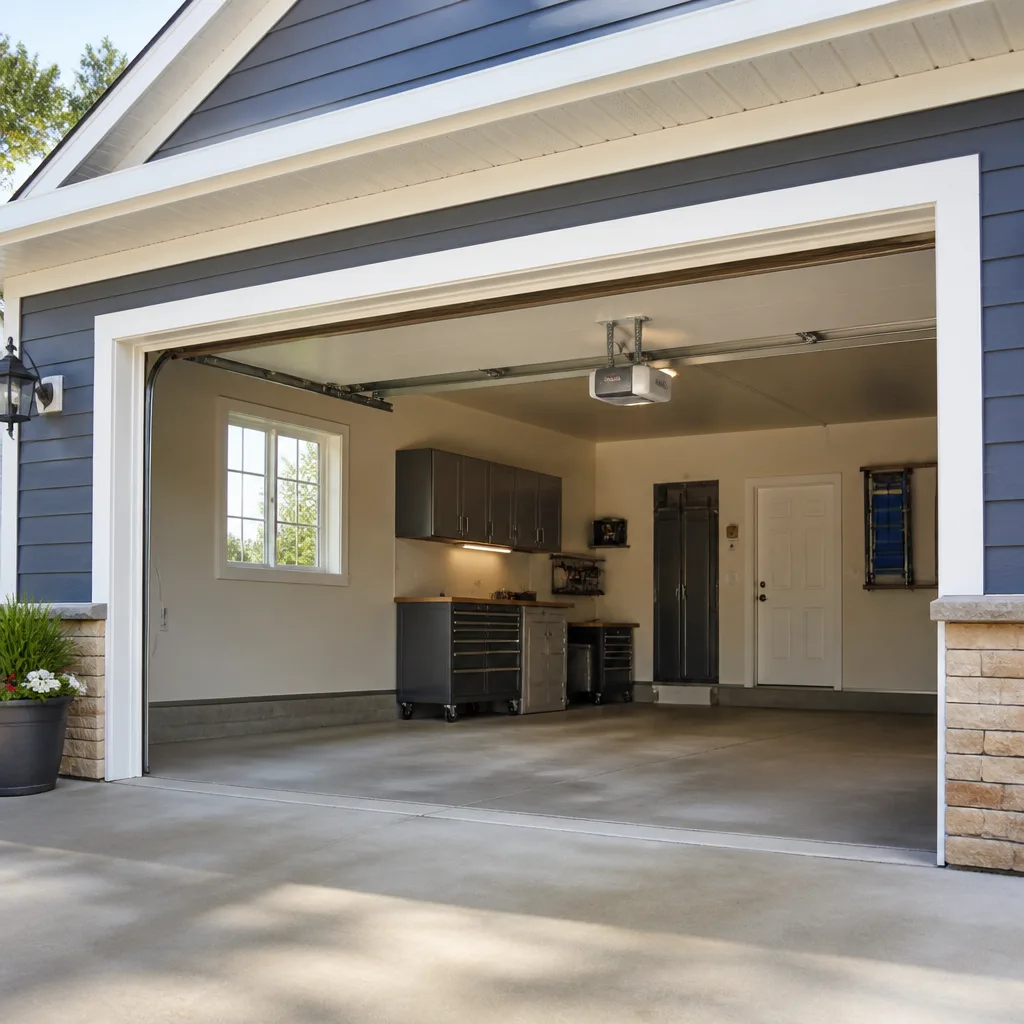 LiftMaster openers
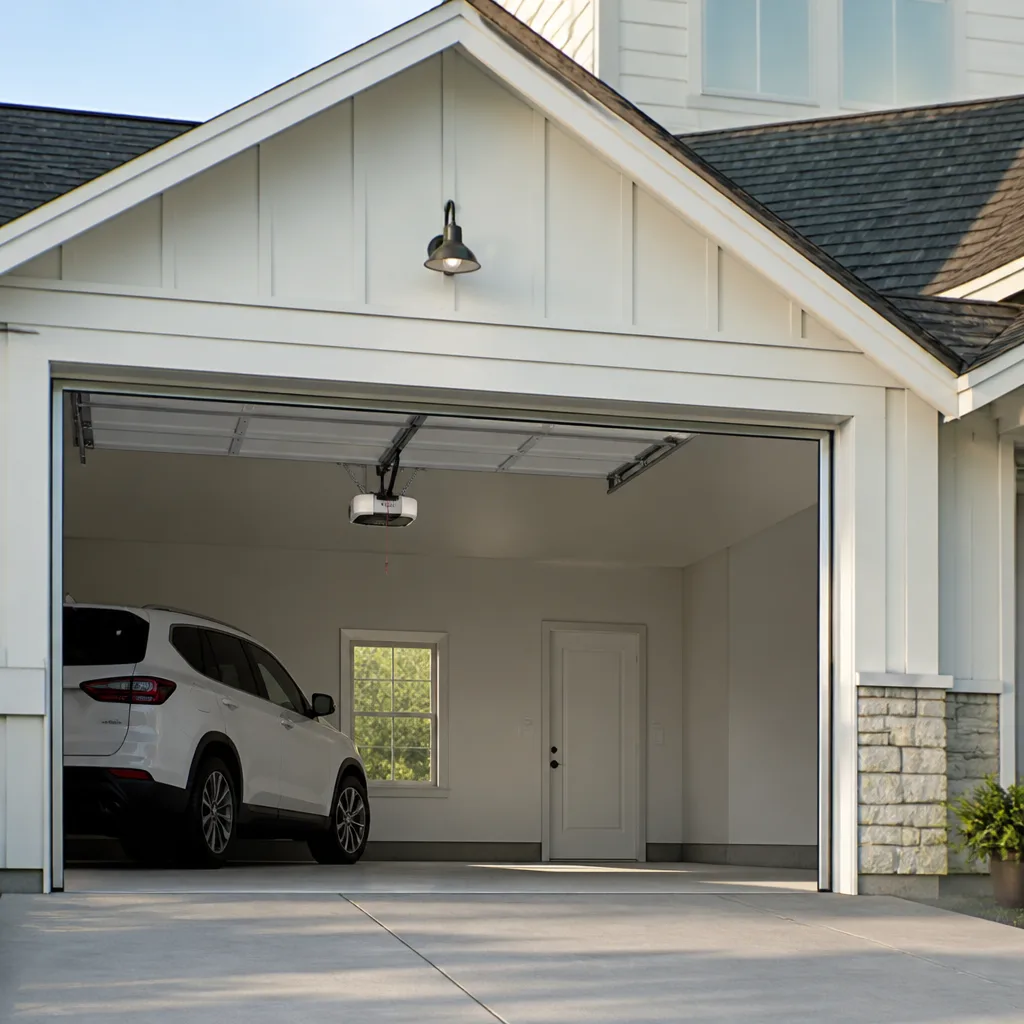 Chamberlain openers
Full 25-point door and opener safety check with every visit - springs, cables, rollers, tracks, and your LiftMaster or Chamberlain opener included
You get a price before we start. It does not change when the pro arrives.
Get your free estimateSeasonal Garage Door Care for Green Run: Year-Round Homeowner’s Guide
Most garage door maintenance guides were written for a climate that doesn’t exist here. They tell you to winterize in October and forget the door until spring. In Green Run, the service call that fills our schedule in early fall almost never traces back to cold weather. It traces back to August. Six weeks of heavy humidity swells older wood panels, oxidizes bare metal, and quietly throws off the travel limits on your opener. By the time the first cold snap arrives, the damage is already done. This guide builds a maintenance calendar around the stress events Green Run actually experiences: the humid summer, the brief freeze window, the storm season, and the post-winter thaw. You’ll learn what to check, when to check it, and what genuinely needs a professional.
Quick Answer
Seasonal garage door care in Green Run should follow the local climate, not the calendar. Focus your strongest maintenance effort in late spring and summer, when humidity and afternoon storms do the most damage, then prepare for a short but real freeze window in winter and inspect carefully after it. Lubricate rollers and hinges before peak humidity, test the manual release and battery backup before storm season, swap to cold-rated lubricant in November, and check for weatherseal damage and spring tension drift in spring. High-tension springs, cables, and opener electrical work should always go to a trained technician.
Styles & brands we work with
- Raised-panel steel
- Carriage house
- Modern flush
- Full-view glass
- LiftMaster openers
- Chamberlain openers
Table of Contents
- Why Green Run’s Climate Breaks the Standard Maintenance Calendar
- Summer Prep: Humidity, Seals, and Opener Limit Drift
- Storm Season Checklist: Release, Backup, and Wind Load
- The Brief Virginia Winter Risk Window
- Spring Post-Winter Inspection
- Year-Round Spring Tension and Torque Check
- The Green Run Lubrication Calendar
- Common Mistakes to Avoid
- When to Call a Professional
- Frequently Asked Questions
Why Green Run’s Climate Breaks the Standard Maintenance Calendar
Green Run sits in the Virginia Beach area, and that placement matters more for your garage door than most homeowners realize. You get a long, humid summer that keeps relative humidity high for weeks at a stretch. You get a short winter that still delivers enough hard freezes to matter. And you get a storm season that brings heavy rain and wind driven sideways against the door. None of those events line up with the “winterize in fall” advice you’ll find on most garage door sites.
Here’s the mechanical reality behind each one:
- Humidity swells wood and oxidizes metal. Older panel doors with wood or wood-composite sections absorb moisture through the summer. Panels swell, joints bind, and the door starts to drag. Bare steel hinges and roller stems flash with surface rust faster in humid air than in dry climates.
- Heat changes your opener’s travel. Metal tracks and door panels expand slightly in summer heat. An opener set to a tight tolerance in spring can register a “close” before the door fully seats, or trip its safety reverse when the door expands against the frame. Limit drift is a warm-weather problem.
- Storm season tests the weatherseal. The bottom seal and side seals are the only thing between driving rain and your garage floor. A hairline crack in the bottom seal that goes unnoticed in June becomes a soaked slab and a rusting door track in September.
- The freeze window seizes rollers and cracks seals. Green Run winters are short, but it does freeze. Standard lubricants thicken below 40°F, rollers stiffen, and freeze-thaw cycles open cracks in rubber bottom seals.
In our experience, the homeowners who get the most years out of a door here aren’t the ones who do the most work. They’re the ones who do the right work at the right time. If you’d rather hand the whole checklist to a specialist, our Garage Door Repair Green Run team can handle every step, from lubrication to a full spring re-balance.
Summer Prep: Humidity, Seals, and Opener Limit Drift
The single most valuable maintenance window in Green Run opens in late spring, before the humidity climbs. Everything you do here prevents damage that’s far harder to undo in August. This is the opposite of what a northern-climate guide tells you, and it’s the reason so many local homeowners find themselves calling for garage door repair in early fall.
Lubricate rollers and hinges before peak humidity
Most rollers, hinges, and torsion springs sit for months with factory grease that has long since dried. Dry metal plus humid air equals rust, and rust equals friction. A silicone-based or lithium-based lubricant applied to hinges, roller bearings, and the torsion spring coils before the humid stretch begins keeps moisture off the bare metal and keeps movement smooth.
Inspect the bottom seal before storm season
The bottom seal is your weather line. Run your fingers along it and look for flattening, cracks, or gaps where it meets the floor. A seal that’s compressed flat or split along its length won’t keep out the rain that Green Run storm season delivers. Replacing a bottom seal is a simple job when the rubber is still flexible. It’s a much bigger problem once water has been seeping under it for a season.
Check opener limit settings as heat arrives
Your opener’s open and close limits tell the motor when to stop. As summer heat expands door panels and track sections slightly, a limit that was perfect in April can be slightly too tight by July. Watch for these signs:
- The door reverses on its own during the last few inches of closing.
- The door stops short of the floor, leaving a visible gap.
- The opener runs, then clicks off before the door reaches full travel.
- The safety reverse reverses the door with the lightest contact from a test object.
If you notice any of these, a limit adjustment is often all it takes. If the behavior persists, it’s worth a closer look. Our garage door opener repair team works on LiftMaster, Chamberlain, and Genie units regularly and can confirm whether the limit drift is routine or a sign of a failing logic board or travel module.
Storm Season Checklist: Release, Backup, and Wind Load
Before storm season, run this checklist once. A garage door is the largest opening in your home, and a door that won’t open when the power is out, or won’t stay shut in high wind, becomes a real problem fast. Here’s what to test:
- Test the manual release. Pull the red release cord and manually lift the door. It should raise smoothly with one hand and stay up. If it’s heavy, binds, or drops, stop and call a technician. A door that won’t lift manually is a safety issue, not a storage problem.
- Test the opener’s battery backup. If your opener has a battery backup, trip the breaker and confirm the door opens on battery power. Replace the battery if it’s slow or the opener beeps a low-battery warning. LiftMaster and Chamberlain units both signal backup-battery health through their control panel, so a quick read of the panel tells you a lot.
- Confirm the wind load rating. Garage doors are rated for wind load, and building codes in the Virginia Beach area account for high-wind events. Check your door’s label or documentation and confirm the rating matches what your local code requires. If you’re unsure of your rating, your city’s building department can tell you what applies to your door. A door rated below what your location calls for is a conversation worth having before storm season.
- Inspect the side and top seals. Wind-driven rain gets in through side seals, not just the bottom. Look for gaps, tears, and seals that have pulled away from the frame.
- Clear the tracks. Debris blown in during a storm can jam a track. Clear leaves and grit from the track channels and check that the rollers seat properly.
If storm damage leaves your door stuck open or stuck shut, we offer emergency garage door service for exactly that situation. A door that can’t close is a security issue for the whole house. Call (888) 260-6416 and we’ll get a technician out as fast as we can.
The Brief Virginia Winter Risk Window
Green Run winters don’t last long, but they’re cold enough to cause real mechanical problems. The freeze window is where homeowners get caught off guard, because the door worked fine in October and suddenly doesn’t move in January. Here’s what happens and what to do about it.
Which lubricants gel below 40°F
The catch with summer lubrication is that some products don’t belong in a winter garage. Heavy grease and standard petroleum-based lubricants thicken below 40°F. When they thicken, rollers stiffen, hinges drag, and the opener has to work harder to move the door. If you applied a heavy grease in June, swap it in November for a low-temperature-rated silicone or lithium spray that stays fluid in cold weather. A quick wipe-down with a rag and a fresh light coat on the hinges and roller stems is all it takes.
How freeze-thaw cycles crack bottom seals
Rubber seals have a small amount of flexibility, but repeated freeze-thaw cycles wear it down. Water collects in a hairline crack or under the seal edge, freezes overnight, expands, and widens the crack. Repeat that over a winter and a seal that was fine in November is split by February. Check your bottom seal in late fall and again after the last hard freeze. If it’s cracked or pulling away from the door, replace it before spring rain finds the gap.
What ice against the door does to the frame
When ice accumulates against the bottom of the door or in the track channel, the door sits slightly higher when it closes. That’s a small change, but an opener set to a tight limit may start registering a fault. Don’t force a door that’s frozen to the ground. Clear the ice gently and run the opener through a full cycle to confirm normal travel before you rely on it.
Spring Post-Winter Inspection
Spring is when you find out what the winter did. This is the inspection that catches small problems before they become a repair. Walk through this list once the last hard freeze has passed:
- Check for ice damage to the bottom of the door. Look for bent bottom brackets, warped bottom panels, and a bottom seal that’s split or missing.
- Look for wood section swelling on older panel doors. If your door has wood or wood-composite panels, check the bottom section first. It sits closest to moisture all winter. Swollen sections bind in the frame and put extra strain on the opener and springs.
- Inspect hinges and roller stems for winter rust. Surface rust that started in the humid summer can accelerate over a wet winter.
- Test the safety reverse. Place a test object flat on the floor in the door’s path. The door should reverse on contact. If it doesn’t, stop using the opener until the reverse is working. The safety reverse is the feature that keeps a closing door from becoming a serious injury.
- Check the springs for visible gaps or sagging. If you can see a gap in a torsion spring, that spring has broken. Don’t try to run the door. Call us.
- Confirm the door’s balance. Disconnect the opener with the manual release and lift the door halfway. A balanced door stays in place. A door that drops is out of balance and either needs a spring adjustment or a closer look.
When the inspection turns up anything that touches the springs or cables, that’s where professional work starts. Garage door repair on high-tension springs requires specialized tools and training that most general handymen decline. We handle spring repair as a core service, not an upsell discovered on-site.
Year-Round Spring Tension and Torque Check
Torsion springs hold the entire weight of the door. They’re also the one component where a mistake can cause serious injury, so the maintenance you do here is inspection, not adjustment. Here’s the truth about spring tension and temperature: springs expand and contract slightly with temperature changes, and that changes how the door feels.
What that means in practice:
- Small seasonal drift is normal. A door that feels slightly heavier on a cold morning than on a warm afternoon isn’t necessarily failing. Some drift is built into the system.
- Noticeable drift deserves a call. If the door is tough to lift by hand, slams down, or won’t stay up in the halfway position, the tension has drifted far enough that a professional re-balance is warranted. If the door has a broken spring (visible gap), stop using the opener immediately.
- A matched pair of springs should be replaced together. When one spring breaks, the other has usually been carrying extra load. Replacing both at once avoids a second service call and restores balance.
Spring work is the most dangerous maintenance task on the whole door. The springs are under high tension, and the tools needed to release that tension safely are specific to the trade. Please don’t attempt a spring adjustment yourself. Call a trained technician.
What to check monthly in about five minutes
- Listen to the door as it opens and closes. Grinding, squealing, or rattling noises signal a problem.
- Watch for the door veering to one side. That usually means a cable or roller issue.
- Look at the springs. A visible gap is a broken spring.
- Check the safety reverse with a test object.
- Look at the bottom seal for cracks or gaps.
If you’d rather not crawl around the door yourself, our team can run this check for you. We work on the brand already in your garage, so there’s no guesswork about the parts.
The Green Run Lubrication Calendar
Lubrication is the cheapest maintenance you can do, and in Green Run the schedule is different from what you’d read in most guides. Here’s the year in one place:
- Late spring (before humidity): Silicone or lithium spray on hinges, roller bearings, and the torsion spring coils. This is the most important lubrication pass of the year, because it protects bare metal through the humid summer.
- Mid-summer (optional): A light touch-up on rollers if the door sounds dry. Don’t over-apply. Excess lubricant attracts grit.
- November (before the freeze window): Swap any heavy grease for a low-temperature-rated lubricant. Wipe off old grease first. Cold-rated lubricant keeps rollers moving through the short freeze.
- March (post-winter): Check for rust that formed over winter and reapply a light coat. Inspect the seals while you’re out there.
One note on what not to lubricate: don’t grease the tracks. Track channels should be clean and dry. Lubricant on the track collects grit and causes uneven rolling. If the door is dragging, the fix is usually a roller or spring issue, not a lubrication issue, and that’s a case for a technician.
Our technicians have up to 13 years of experience, and we work on LiftMaster and Chamberlain openers, Clopay and Amarr doors, and the other major brands on the market. If your door’s model number isn’t obvious and you want to know what parts it takes, we can identify it during a service visit.
Common Mistakes to Avoid
- Following a northern maintenance calendar. If you’re doing your biggest work in October, you’re six weeks late for the humidity damage. In Green Run, the summer prep is the high-value prep and the winter prep is short and specific.
- Greasing the tracks. Lubricant in the track channel grabs grit and grinds rollers. Tracks stay clean and dry; hinges and rollers get the lubricant.
- Skipping the November lubricant swap. Heavy summer grease that gels below 40°F turns your rollers into stiff wheels. That’s a problem you can prevent in fifteen minutes.
- Ignoring the bottom seal before storm season. A split bottom seal lets rain into the garage and rust into the tracks. Replacing it before storm season is far cheaper than repairing water damage after.
- Testing the door’s balance with the opener connected. You can’t judge balance with the opener engaged. Release it manually, lift halfway, and watch what the door does.
- Trying to adjust a torsion spring yourself. Spring tension is the one task that genuinely requires specialized tools and training. A spring store holds enough energy to injure seriously. Leave it to a technician.
- Assuming hatch season means a pass on the spring check. Hail is uncommon in this area, and a quiet storm season doesn’t mean your springs are fine. The monthly five-minute check matters more than a once-a-year inspection for the parts that carry the door’s weight.
When to Call a Professional
Some of this guide is maintenance you can do. Some of it genuinely needs a trained technician, and knowing the difference saves you money and time. Call a professional for any of the following: a broken torsion spring (visible gap), a door that won’t open or close, a door that’s become hard to lift by hand, a snapped cable, an opener that reverses on its own repeatedly, a door that’s come off its tracks, or a door that’s stuck open after a storm or power outage. Those are the cases where the door stops being a convenience and starts being a safety and security problem. If you’re in doubt, call.
Garage Door Repair Green Run offers free estimates in Green Run if you’re facing garage door repair or want a fresh garage door installation. Call (888) 260-6416. The estimate comes first, the quote comes in writing, and we don’t start any work until the price is agreed.
Frequently Asked Questions
Twice a year is the baseline for Green Run: once in late spring before the humid stretch and once in November before the freeze window. Swap the summer lubricant for a low-temperature-rated spray in November. In between, a monthly listen and visual check catches problems early. If your door sounds dry in July, a light touch-up on rollers is fine, but don’t over-apply.
A thorough pre-humidity lubrication and seal inspection in late spring. The humid summer is what drives most Green Run repair calls, because swelling wood, rusting metal, and a weakened bottom seal take their toll over weeks. Get ahead of that window and the rest of the year is easier.
No. Torsion springs hold the full weight of the door under high tension, and the tools to adjust them are specific to the trade. A spring release can cause serious injury. Inspect the springs (a visible gap means a broken spring), but leave adjustment and replacement to a trained technician. If a spring is broken, don’t run the door.
Heat makes metal tracks and door panels expand slightly, which changes how far the opener needs to travel to close fully. That’s why an opener that worked perfectly in spring can start reversing near the floor in July. Adjusting the open and close limits usually solves it. If it persists, there may be a limit or travel module issue.
Yes. Garage doors are rated for wind load, and building codes in the Virginia Beach area account for high-wind events. Check your door’s label or documentation and confirm the rating matches what your local code requires. If you’re not sure of your rating, ask your city’s building department. A door rated below what your location needs is a conversation worth having before storm season.
Every job is quoted by estimate, and the written estimate is the price. We don’t publish a flat seasonal-maintenance rate because the work varies by door type, age, and condition. Call (888) 260-6416 for a free estimate. The price is agreed before any work starts, so there are no surprises when the work is done.
The Bottom Line
Green Run’s garage door maintenance calendar looks nothing like the national guides. The high-value work happens in late spring and early summer, before the humidity and storm season. The freeze window is short but real, and it rewards the November lubricant swap and a post-winter inspection in March. Skip the tracks when you lubricate, check the bottom seal before every storm season, and leave spring tension to a professional. Do the monthly five-minute check, and the door will carry its full weight all year. When something genuinely needs a technician, or when you’re ready to plan a full replacement, we’re here.
Call Garage Door Repair Green Run at (888) 260-6416 for a free estimate. We work on the brand in your garage, from a single broken spring to a full new door, and every quote is written and agreed before the first screw turns.
Written by the team at Garage Door Repair Green Run.
See the difference
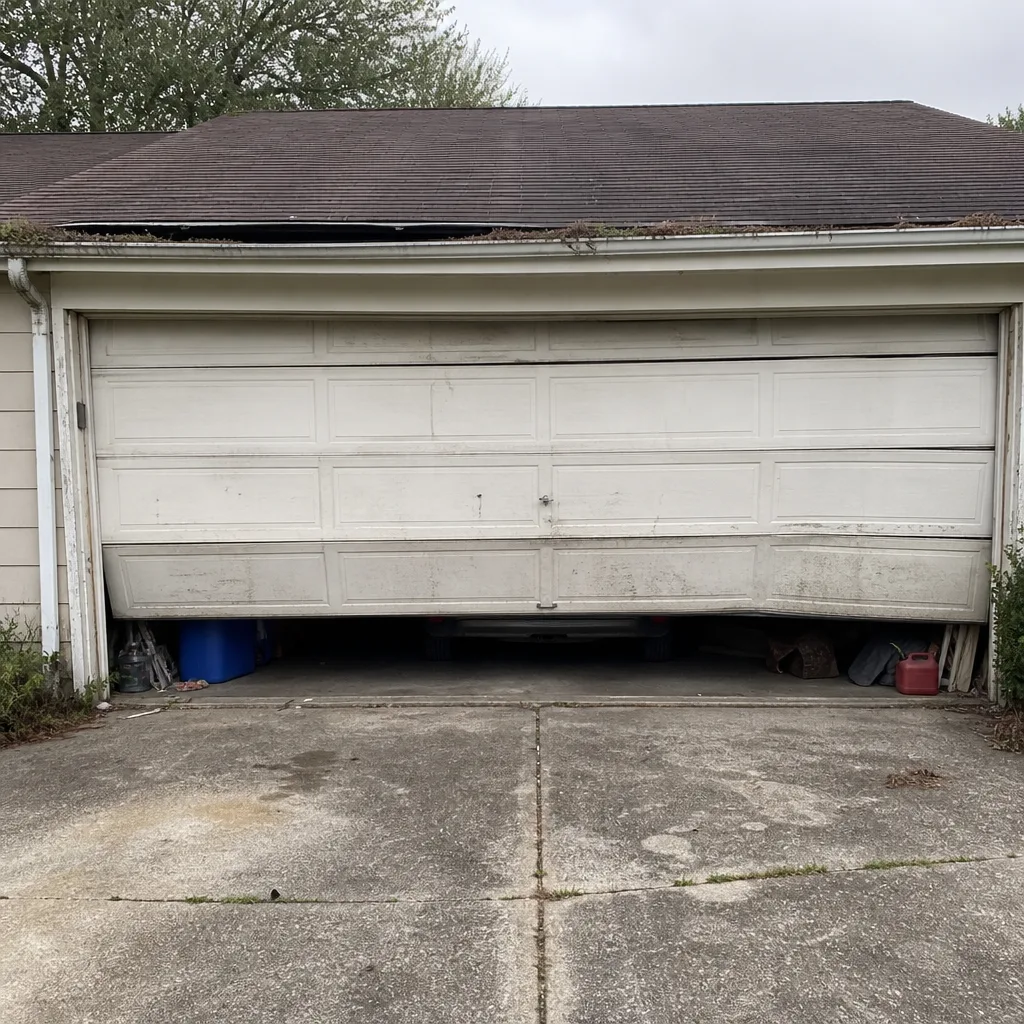 Before
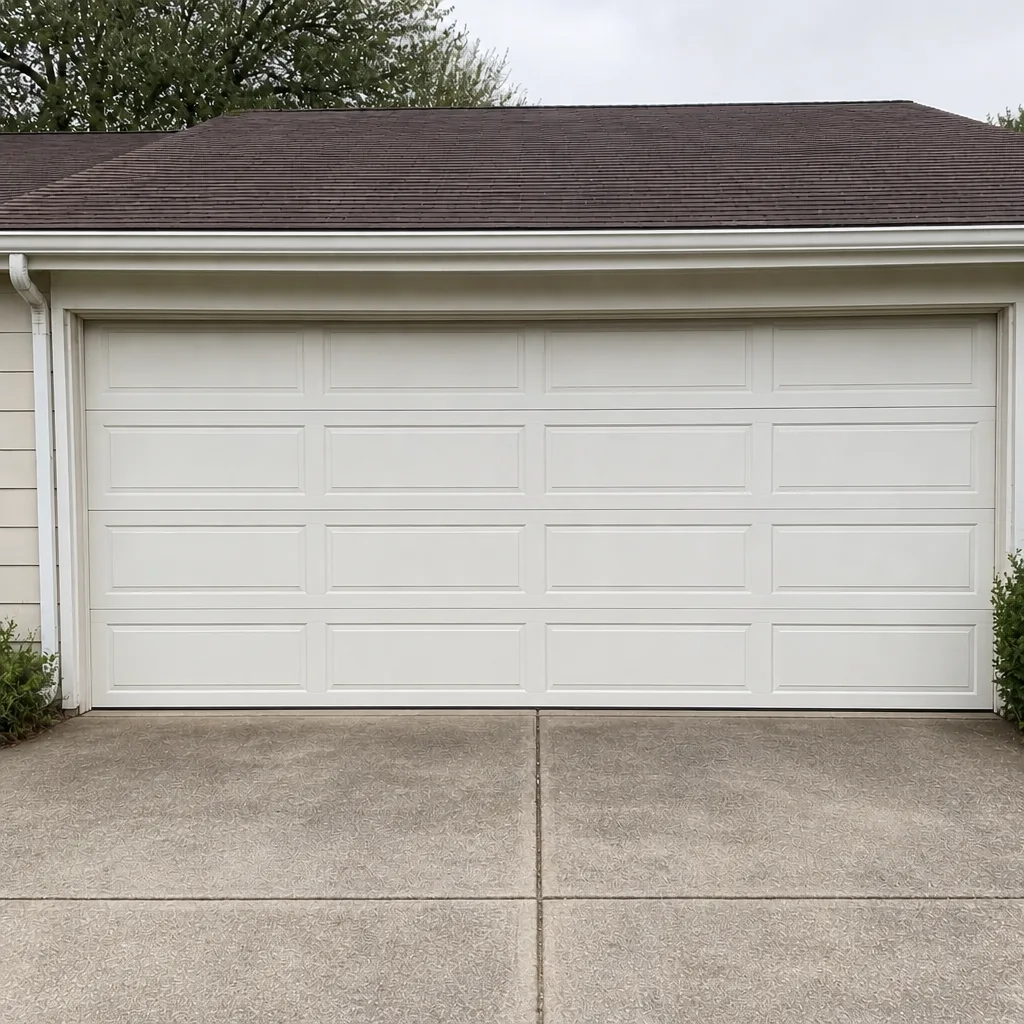 After
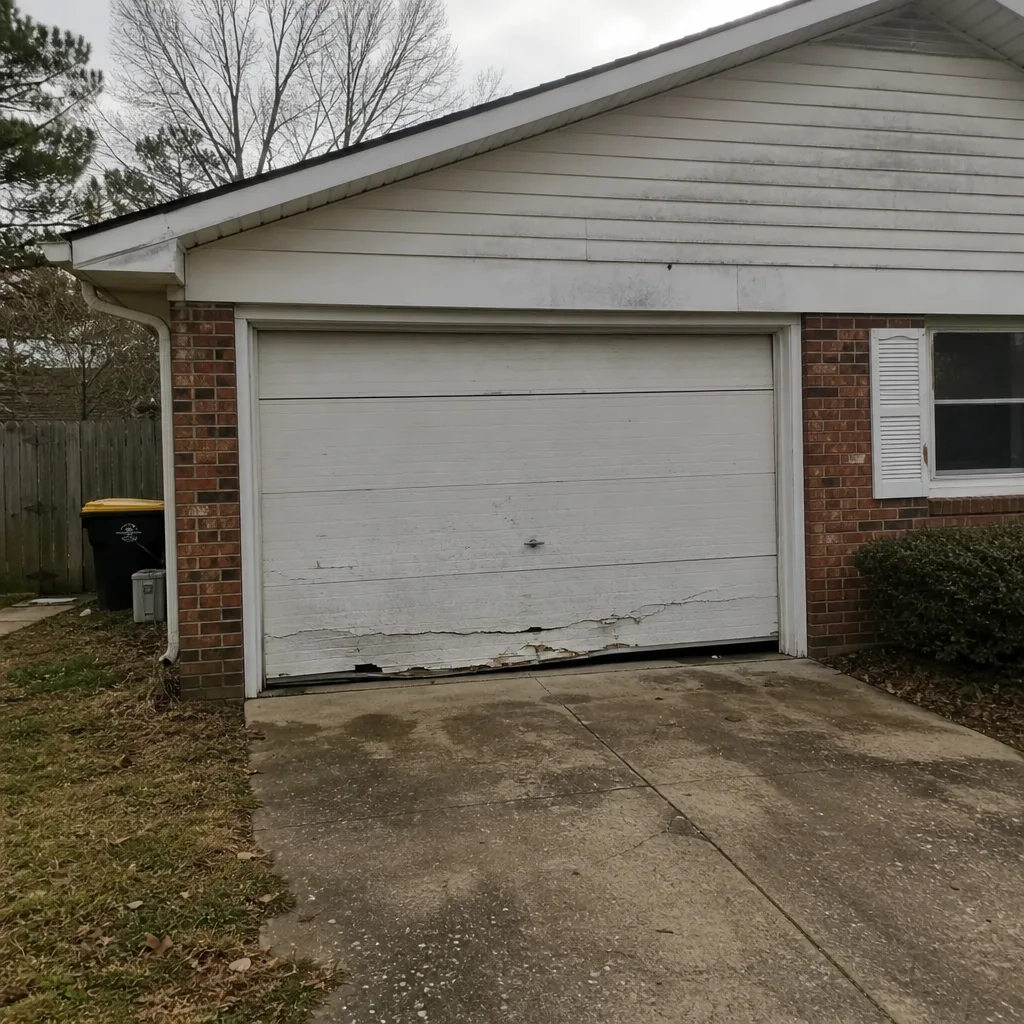 Before
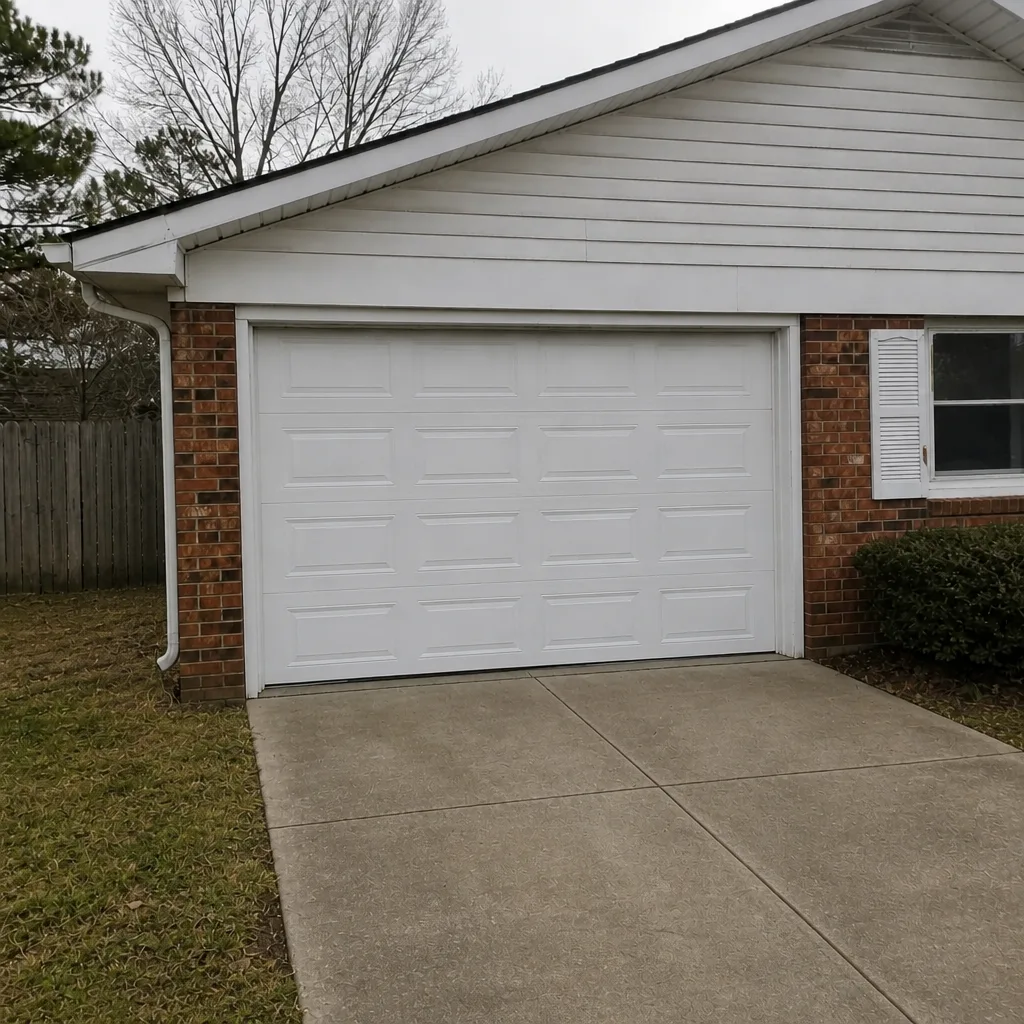 After
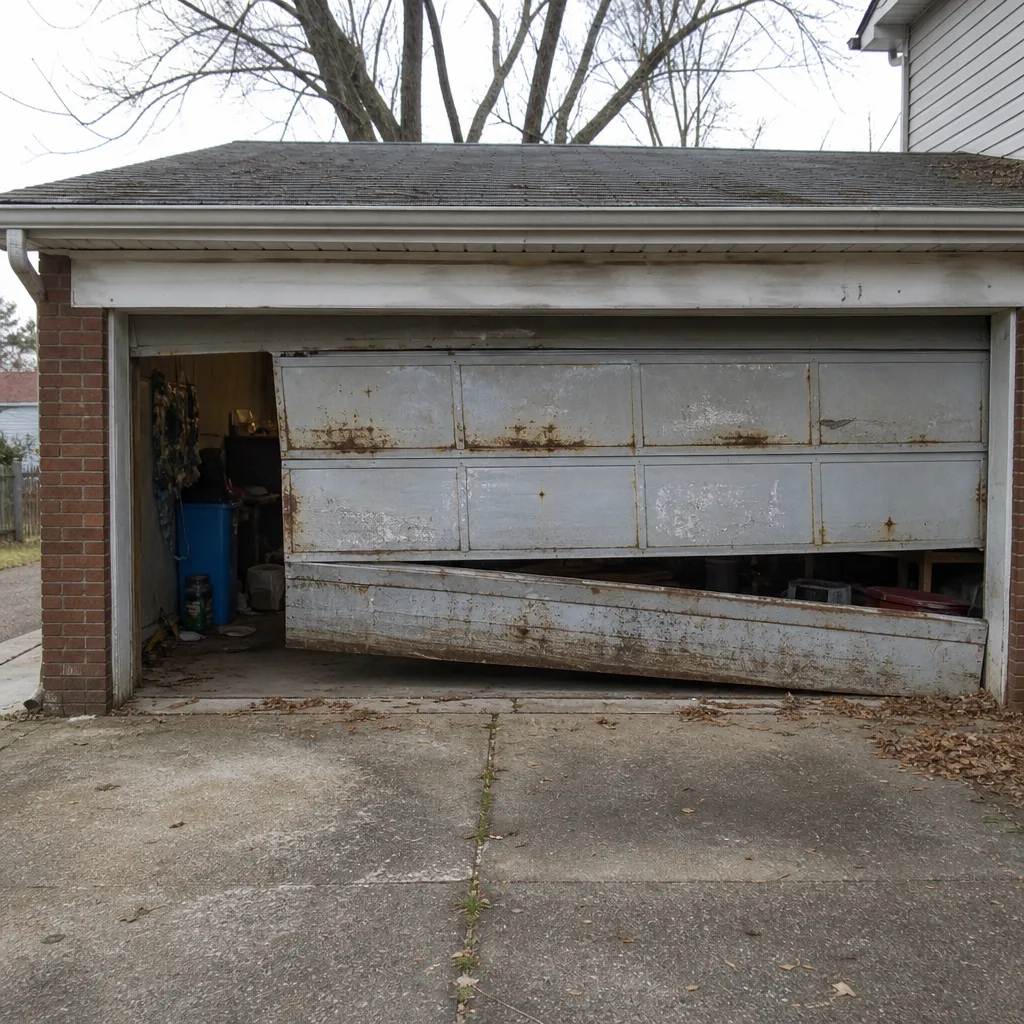 Before
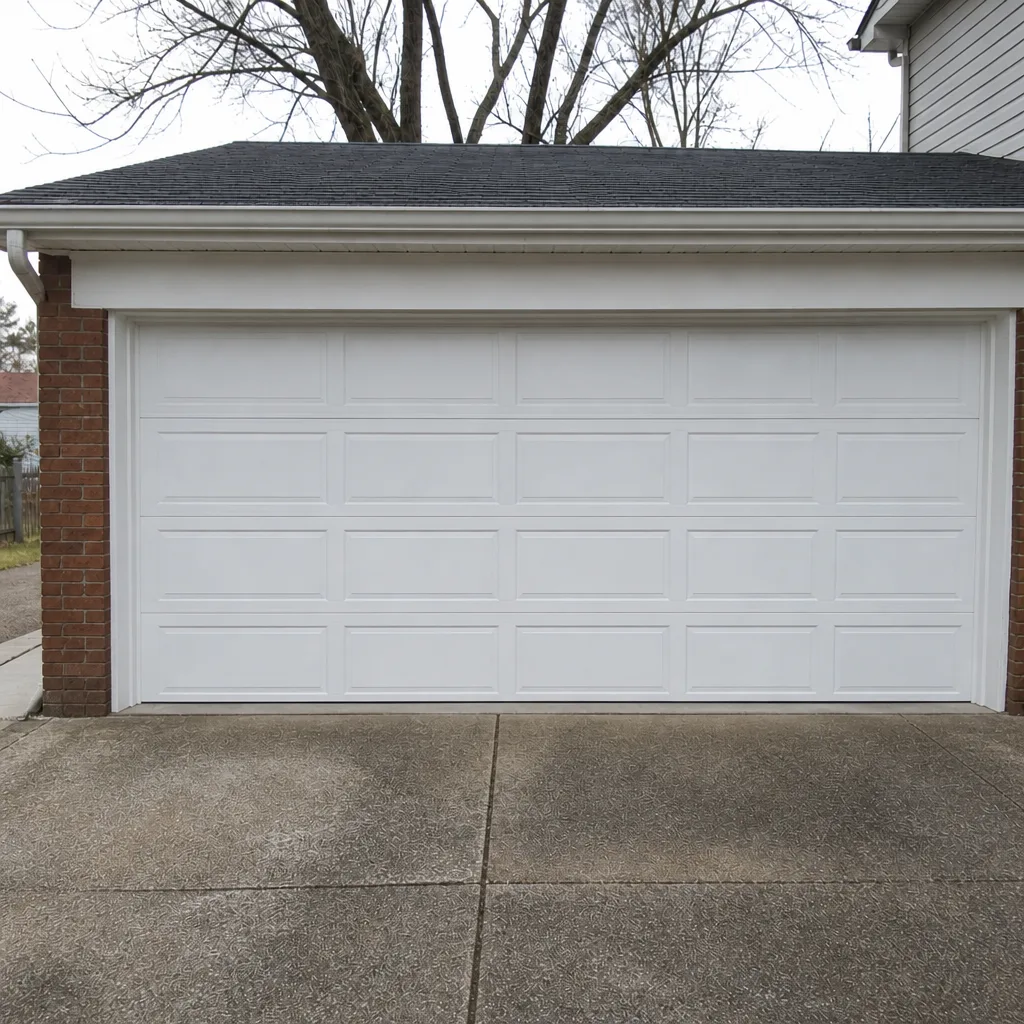 After