Last updated November 22, 2026
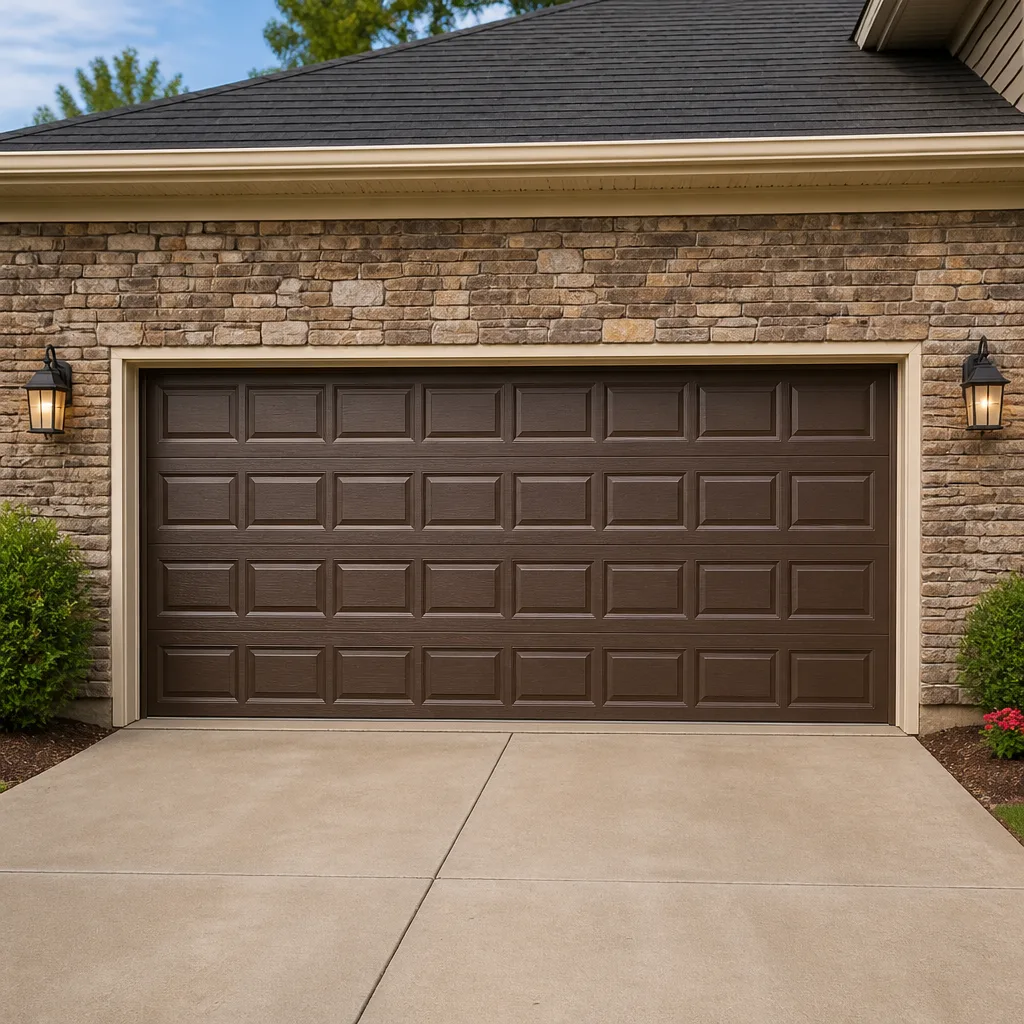 Raised-panel steel
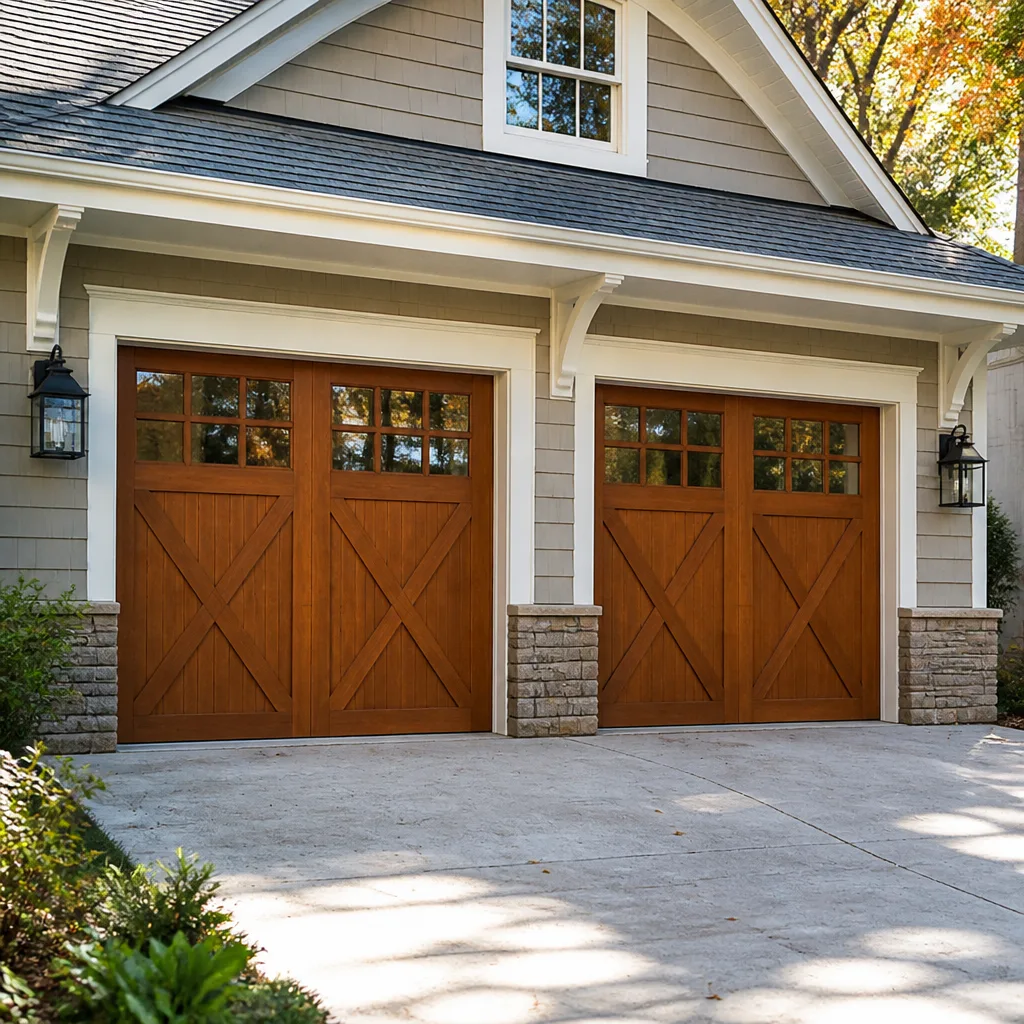 Carriage house
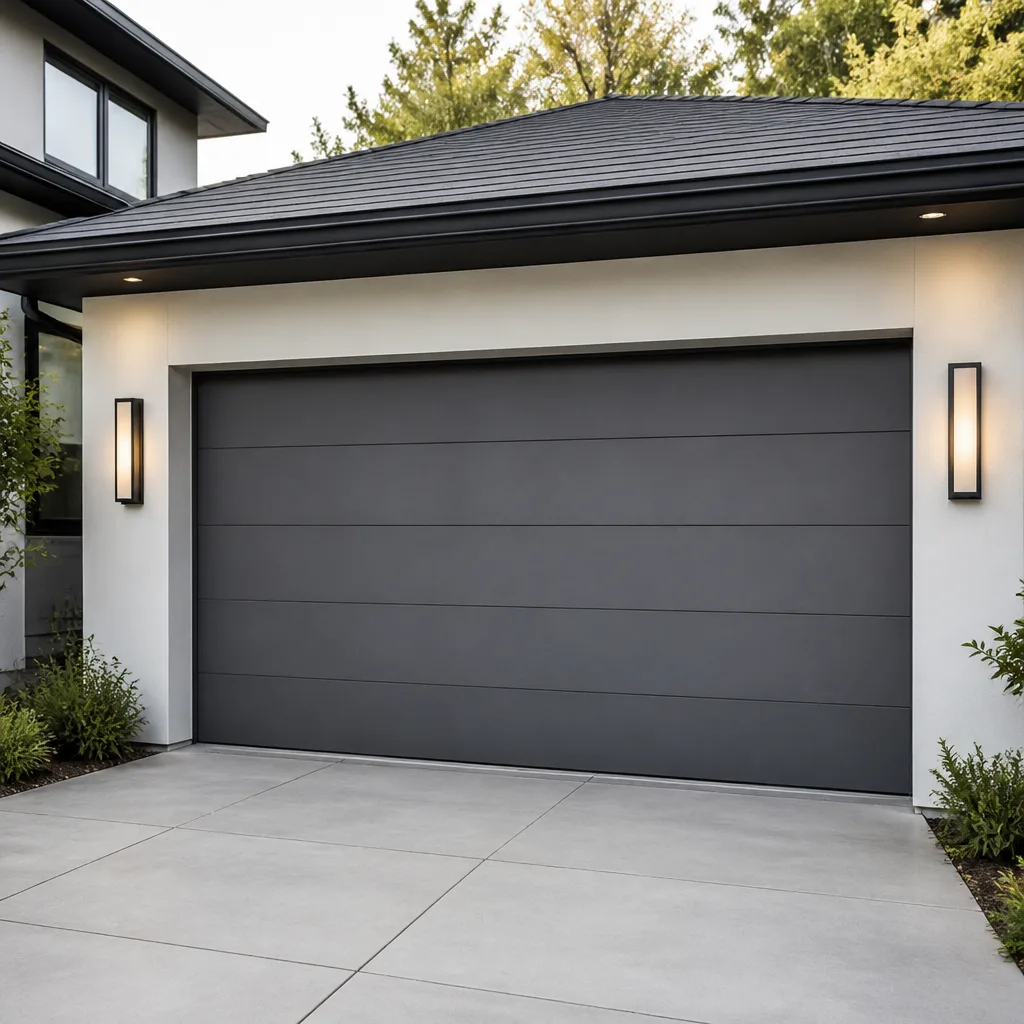 Modern flush
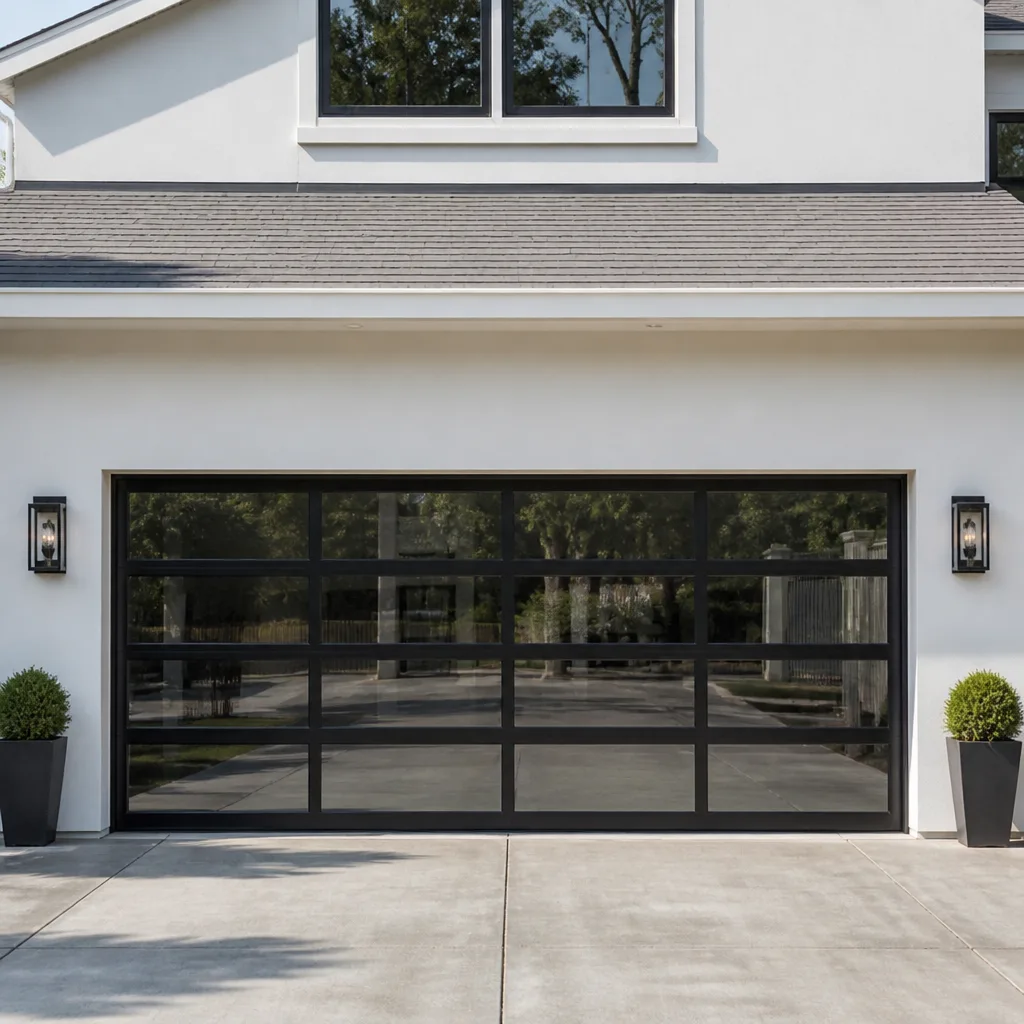 Full-view glass
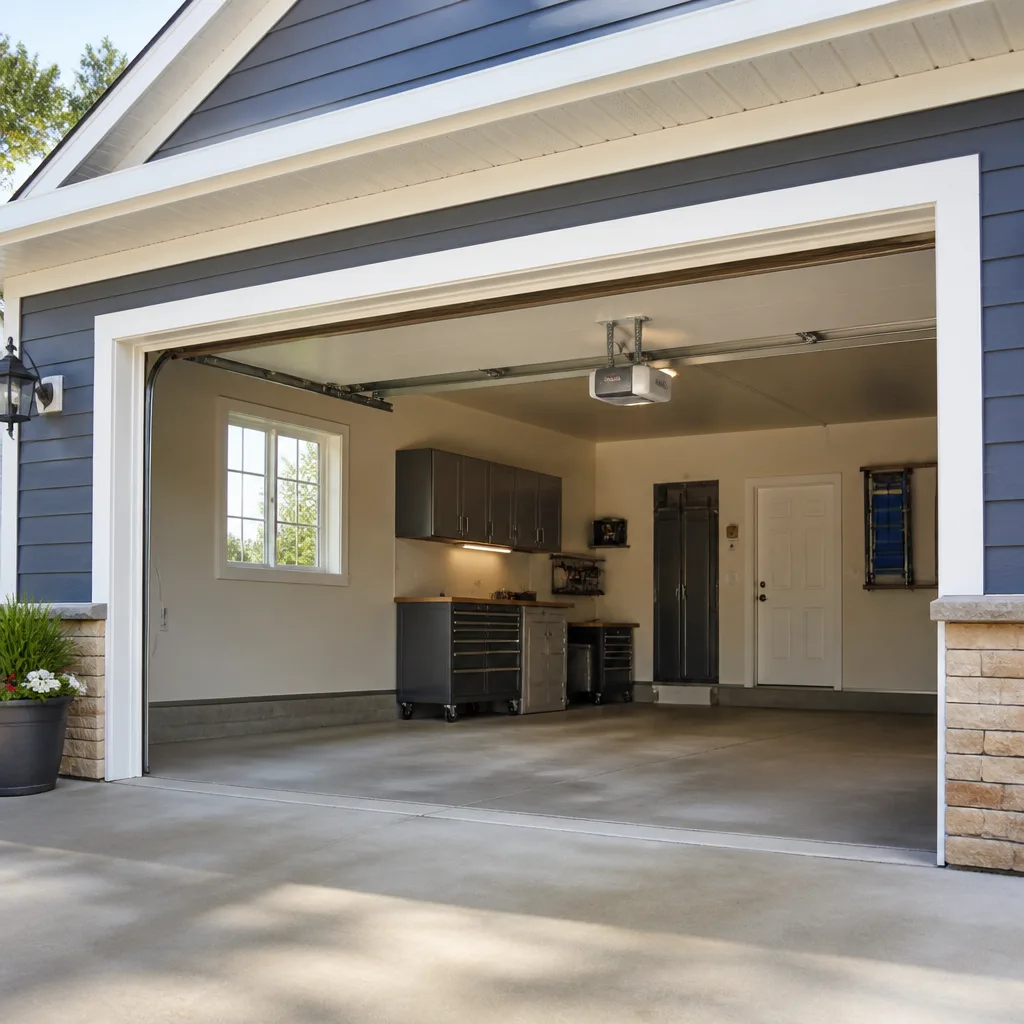 LiftMaster openers
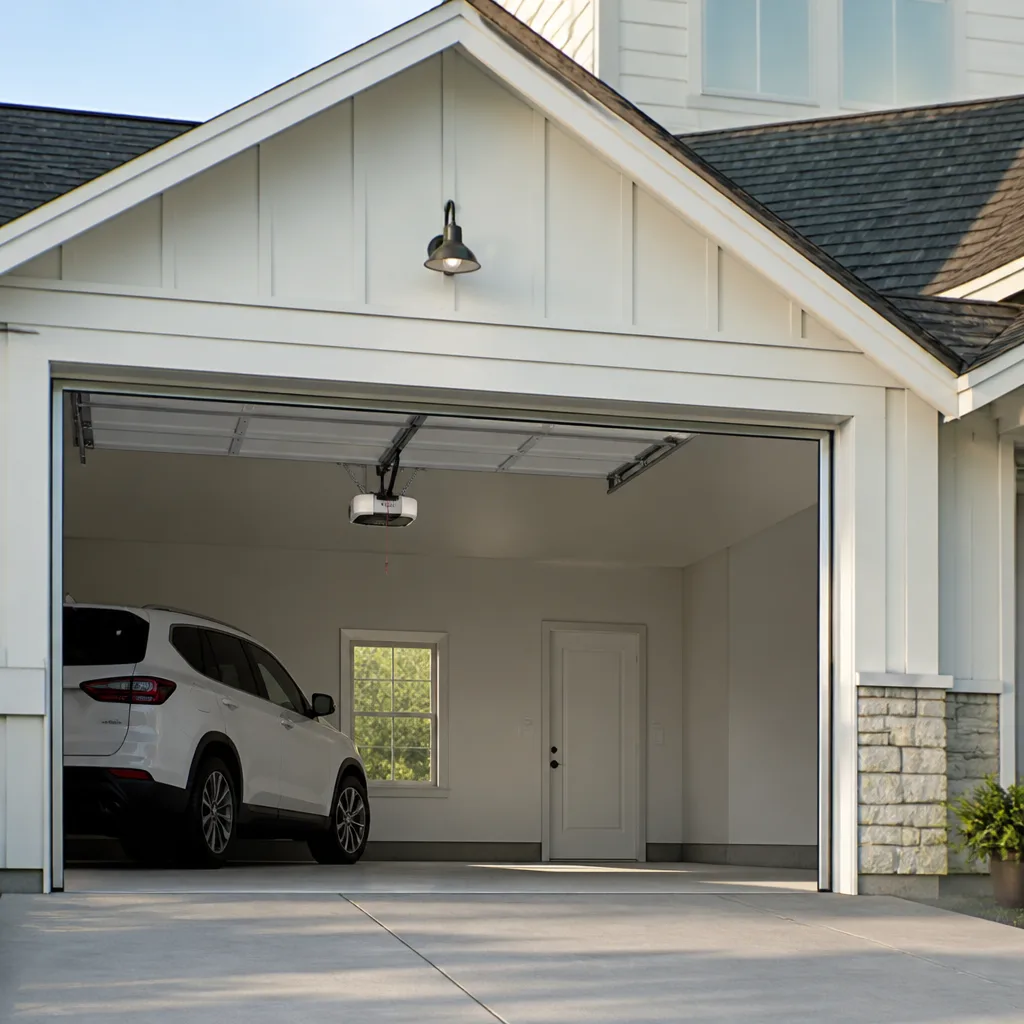 Chamberlain openers
Full 25-point door and opener safety check with every visit - springs, cables, rollers, tracks, and your LiftMaster or Chamberlain opener included
You get a price before we start. It does not change when the pro arrives.
Get your free estimateThe Complete Guide to Garage Doors in Green Run
Most garage door guides are written for a mythical average homeowner in a mythical average climate. Green Run isn’t average, and neither is the weather or the housing stock here. The neighborhood sits close enough to the Virginia Beach shoreline that humid, salt-laden air reaches it on the same breezes that fog up windshields a few miles inland. Houses built mostly between the late 1980s and early 2000s, with builder-grade doors and openers that are now past their expected service life, meet HOA rules that narrow your choices before you ever open a catalog. This guide walks through every decision a Green Run homeowner actually faces: material and style choice, insulation, spring systems, opener features, sequencing, and long-term upkeep, all mapped against local conditions rather than a generic checklist.
Quick Answer
A garage door in Green Run is best chosen by matching material and finish to the humidity and salt exposure, confirming the style against your HOA’s architectural guidelines before you order, and sizing the spring and opener to the door’s actual weight and daily cycle count. For most homes here, a steel or composite door with a factory finish, a properly matched torsion spring system, and a LiftMaster or Chamberlain opener with battery backup and Wi-Fi covers the practical essentials. Repair and replacement cost estimates vary by door size, material, and opener model, and the written estimate always sets the final price.
Styles & brands we work with
- Raised-panel steel
- Carriage house
- Modern flush
- Full-view glass
- LiftMaster openers
- Chamberlain openers
Table of Contents
- How Green Run’s Climate Affects Your Garage Door
- HOA Rules and What to Gather Before You Order
- Choosing Materials and Styles That Hold Up Here
- Realistic Lifespan by Component
- Spring Systems: The Part That Matters Most
- Opener Features That Actually Matter in Green Run
- How to Sequence Your Decisions
- A Yearly Maintenance Routine for This Climate
How Green Run’s Climate Affects Your Garage Door
The humidity around Green Run does more quiet damage than most homeowners expect. Warm, moist air works its way into every gap on a garage door, and when it meets cooler metal in the evening it condenses. That condensation is the enemy. It collects on the bottom seal, where it feeds mold and rots the rubber from the inside, and it settles on bare steel track and torsion hardware, where rust starts at the joints and welds long before the panels themselves show any wear.
Salt-laden air accelerates the same process. You don’t have to live on the water for it to matter; the breeze carries fine salt particles that settle on metal surfaces and hold moisture against them. In our experience, garage doors in Green Run show corrosion on hinges, rollers, and the bottom of the track sooner than doors on the Peninsula or further inland. Paint and factory finishes on cheaper panels can also chalk and fade faster under this combination of humidity and sun.
- Bottom seals are the first casualties. A cracked, stiff seal lets water and humid air under the door and into the garage.
- Torsion springs and their hardware are vulnerable where the coating wears thin. Rust on a spring is a sign, not just a cosmetic issue.
- Steel tracks rust at the low points and near the floor, where standing moisture lingers longest.
- Rollers and hinges seize when lubricant washes away and corrosion takes hold.
- Wood sections, if you have an older wood door, absorb moisture at the edges and joints and start to swell and crack.
Practical takeaway: choose hardware with corrosion-resistant finishes where the budget allows, keep the bottom seal in good shape, and apply a garage-door-rated lubricant to springs, hinges, and rollers a couple of times a year. If rust is already stiffening a hinge or roller, replacing that small part early is far cheaper than waiting for it to bind the whole door.
HOA Rules and What to Gather Before You Order
Order the door before checking the covenants and you can end up with a door you’re not allowed to install. Green Run’s numerous HOAs each maintain architectural guidelines covering door color, panel style, window presence, and materials. These rules vary from association to association, so what a neighbor three streets over installed is not proof that your HOA will approve the same thing. The safe approach is to read your own covenants and get written approval before you place an order.
What to gather before you shop:
- Your HOA’s current architectural guidelines for garage doors, including any approved color palette.
- The approval application form and the exact submission process (some associations want a photo or a manufacturer’s spec sheet).
- Manufacturer color and style sheets for the doors you’re considering, so the board can compare them against your request.
- Written approval in hand before the door is ordered or deposited.
Most Green Run associations favor clean, traditional raised-panel or carriage-house styles in neutral palettes. White, almond, sand, and dark brown tend to clear approval smoothly; vivid colors and unusual window configurations are the ones that stall. Window inserts and decorative hardware often need to match the rest of the streetscape, so mention them in the application rather than surprising the board after installation. If your HOA turns down a style, most manufacturers offer alternatives that fit the same opening, and it’s far easier to switch before the order is placed than after.
Choosing Materials and Styles That Hold Up Here
Steel is the most common choice in Green Run, and for good reason. A factory-finished steel door resists the humidity well, holds paint for years, and comes in the panel styles most HOAs approve. The catch is thickness and finish quality: a thin, builder-grade panel dents easily, and a cheap finish can chalk under the local sun. A heavier-gauge steel door with a baked-on finish and a two- or three-layer insulated construction performs far better than a single thin panel.
Composite and high-density polyurethane-backed doors have become popular here because they resist moisture and won’t rust. They cost more than basic steel but hold their appearance in humid air. Aluminum is light and rust-proof, though it dents more easily and can look insubstantial on a wide opening. Wood is the hardest to maintain in this climate: it needs regular sealing, and the humidity swings work at every joint. If you love the look of wood, a steel door with a wood-grain finish gets you most of the appearance with a fraction of the upkeep.
- Steel – best all-around value here; choose a heavier gauge and a factory finish.
- Composite/polyurethane-backed – strongest against moisture and rust; higher upfront cost.
- Aluminum – light and corrosion-proof, but more prone to dents.
- Wood – beautiful but high-maintenance in humidity; plan on yearly sealing.
For style, raised-panel and carriage-house designs are the safest bets for HOA approval and resale. Long-panel contemporary styles look sharp on newer facades but check the guidelines first. Window inserts add light and curb appeal but introduce another seal to maintain, and they need to be mentioned in your HOA application.
Realistic Lifespan by Component
Garage door components don’t wear out at the same rate, and knowing the typical service life of each helps you plan rather than panic. The numbers below are general expectations for a door in a humid, salt-influenced climate, with a household that uses the garage door daily. Actual life depends on cycle count, lubrication, and how well the seals are maintained.
| Component | Typical Service Life | What Shortens It Here |
|---|---|---|
| Torsion springs | About 7 to 12 years | Rust from humidity; high daily cycle count |
| Extension springs | About 5 to 10 years | Corrosion at the coils; lack of safety cables |
| Rollers | About 5 to 10 years | Seized bearings from corrosion; dry tracks |
| Hinges | About 8 to 12 years | Rust at pivot points; missing lubrication |
| Bottom seal | About 3 to 7 years | Moisture rot and sun; poor drainage at the apron |
| Steel panels | About 15 to 25 years | Finish chalking, dents, rust at low edges |
| Opener (belt/chain) | About 10 to 15 years | Worn gears, failed logic board, motor brushes |
The key insight for Green Run homeowners: the spring, seal, and roller lives are all shortened by humidity and salt contact, so expect the mechanical parts to fail before the door itself does. That’s normal, and it’s also why a small preventive part replacement is cheaper than waiting for a chain reaction.
Spring Systems: The Part That Matters Most
Torsion springs do the lifting; the opener only guides the door. That’s why a worn spring puts strain on the opener motor, the cables, and the panels, and why the spring is the component we check first when a door starts behaving oddly. In Green Run’s humid air, springs and the hardware they ride on are prone to surface rust, and rust is where fatigue cracks begin. If you hear a loud bang from the garage and the door suddenly won’t lift, a spring has usually broken.
We treat spring repair as its own specialized service, not an add-on discovered mid-job. Here’s what a proper spring job involves:
- Identify the spring type and size – torsion or extension, wire gauge, and inside diameter all matter, and they’re matched to the door’s weight and height.
- Measure the door’s actual weight – a mismatched spring will fail early or strain the opener.
- Replace the pair together – matched springs wear at the same rate, so replacing one and leaving the other usually means a second callout soon after.
- Re-tension and balance the door – the door should hold position at mid-travel and lift with one hand.
- Inspect cables, drums, and bearings while the door is open and accessible.
Spring prices are quoted per spring, and a matched pair usually costs about twice a single spring. Typical replacement is quoted per job, and the written estimate sets the final price.
Safety note: high-tension springs and the cables under load can cause serious injury, and amateur adjustment has hurt people who thought it looked simple. We don’t recommend doing this work yourself. Have a trained technician handle it.
Opener Features That Actually Matter in Green Run
The opener is the part of the system you touch every day, but most of its features don’t matter much until you need them. Two matter a lot in this region. First, battery backup. When a storm knocks out power, a dead opener leaves you manually lifting a heavy door, and during an evacuation you don’t want to be wrestling with a release cord in the dark. Second, Wi-Fi connectivity. Being able to check that the door is closed and get alerts while you’re away gives real peace of mind.
We’re the opener specialists, and we service the two dominant smart-home-compatible brands, LiftMaster and Chamberlain, whose myQ ecosystem lets you monitor and control the door from a phone. We also service legacy Craftsman and Genie units, including the Genie Aladdin Connect app, and we handle the usual failures: remote and keypad pairing, gear and trolley wear, logic-board faults, and safety-sensor misalignment. When the opener is older than about a decade and parts are hard to source, replacement often costs less over a few years than repeated repairs.
- Battery backup – keeps the door working through storm-related outages.
- Wi-Fi / app control – remote monitoring and alerts while you’re away from home.
- Belt drive – quieter, which matters if a bedroom is above the garage.
- Safety sensors – required, and the most common cause of a door that won’t close.
- Auto-close timer – handy for households that forget to shut the door.
Existing smart-home setups are worth considering too: LiftMaster and Chamberlain integrate with most common platforms, and the app notifications are genuinely useful during hurricane season when you’re tracking the door remotely.
How to Sequence Your Decisions
The most common mistake we see is buying components out of order. A new heavy insulated door on an old worn spring and underpowered opener is a recipe for early failure. The right sequence protects every dollar you spend.
- Start with the door – material, style, and insulation rating, since the door’s weight drives everything else.
- Confirm HOA approval before ordering anything else.
- Choose the spring system sized to the door’s final weight, replaced as a matched pair.
- Match the opener to the door – lift capacity, belt or chain, and the backup and connectivity features you want.
- Upgrade the small parts – rollers, hinges, and seals that match the new system rather than fighting it.
- Plan the annual upkeep once everything is installed.
If you’re replacing only the door, have the spring and opener checked before ordering, because they may need to be resized to the new door’s weight. If you’re keeping the door and replacing the opener, make sure the new opener is rated for the door’s weight and the spring is still healthy. Doing it in the wrong order means paying twice for the same adjustment.
A Yearly Maintenance Routine for This Climate
Humidity and salt make upkeep more important here than in drier markets, and a simple routine prevents most of the failures we get called out for. Set a reminder once a year and repeat it whenever the door starts sounding different.
- Wash and inspect the door and track – rinse off dust and salt film, and look for rust at hinges and the bottom of the track.
- Lubricate springs, hinges, rollers, and the track with a garage-door-rated lubricant; avoid heavy grease that traps grit.
- Check the bottom seal – if it’s cracked or stiff, replace it before water gets under the door.
- Balance test – disconnect the opener and lift the door by hand; it should hold at mid-height.
- Safety sensor test – put an object in the door’s path; it should reverse immediately. Adjust or clean the sensors if it doesn’t.
- Listen for changes – grinding, squealing, or a door that hesitates means a part is wearing.
If anything on that list feels beyond a visual check, a routine service call can catch the problem early. If a spring is broken, a cable is frayed, or the door is hanging crooked, stop using it and call a professional.
Common Mistakes to Avoid
- Ordering before HOA approval. Green Run’s associations have different guidelines, and a door installed without approval can mean removal. Read your covenants and get written sign-off first.
- Replacing one spring when the pair should go together. Matched springs wear at the same rate, so the second one usually fails soon after the first. Replace both and save a second callout.
- Ignoring the bottom seal. In this humidity, a failing seal lets moisture rot the door’s lower edge and get into the garage. It’s the cheapest part to replace and the easiest to overlook.
- Sizing the opener to the old door, not the new one. A modern insulated door can weigh considerably more than the builder-grade door it replaces. Have the opener and spring checked to match.
- Ignoring safety sensors and reversing tests. A door that won’t reverse on contact is a genuine hazard, especially in a house with children or pets. Test it regularly.
- Buying a door with a finish that won’t hold up. A thin, cheap panel finish can chalk and fade faster in this sun and humidity; pay for a factory finish on a heavier panel.
- Treating spring work as a DIY project. High-tension springs and cables can cause serious injury. This is one job to leave to a trained technician.
See the difference
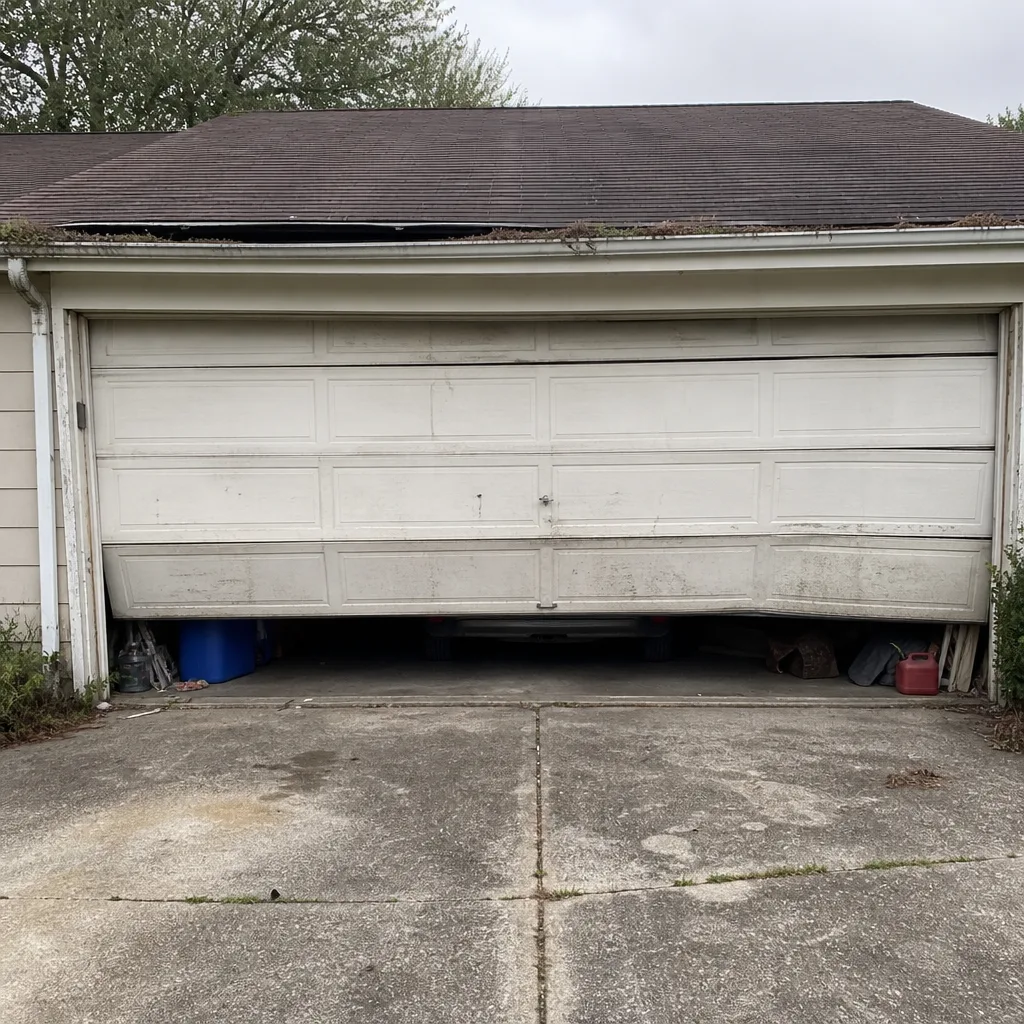 Before
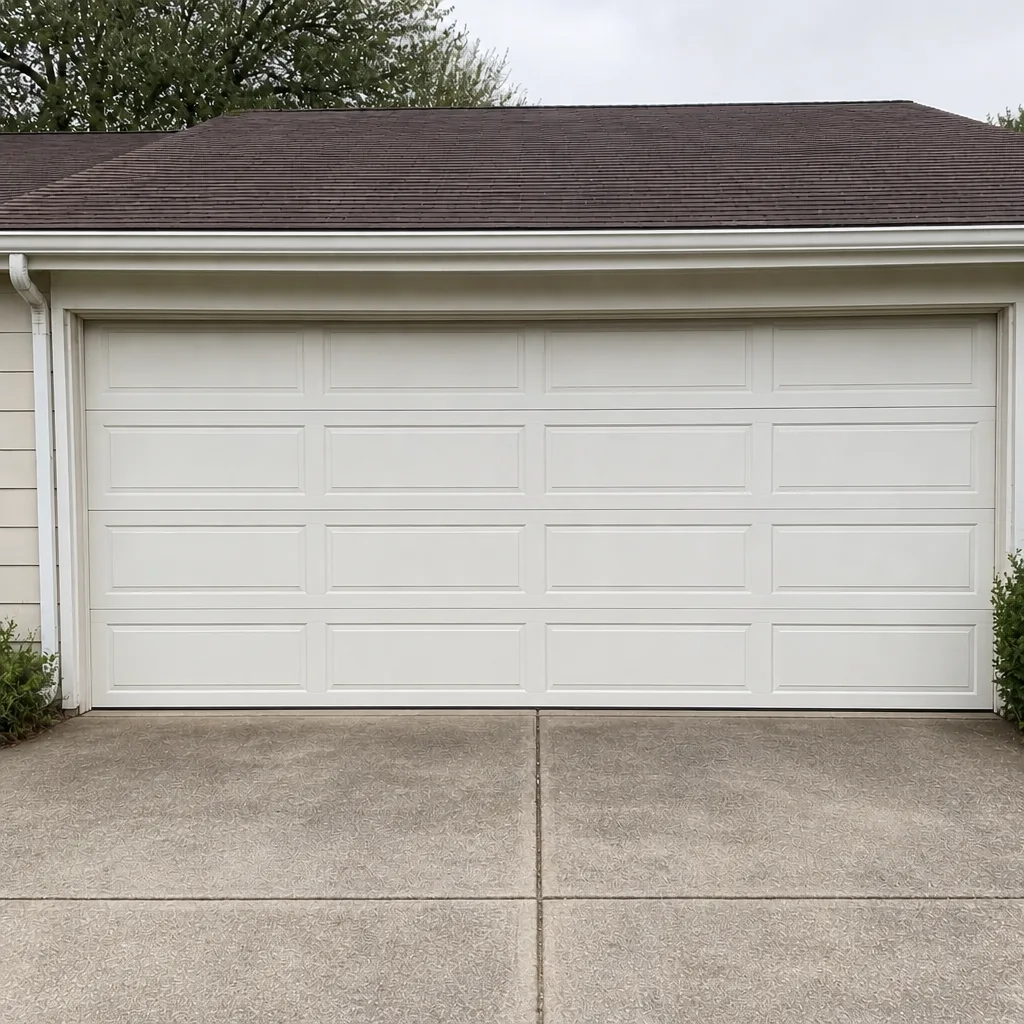 After
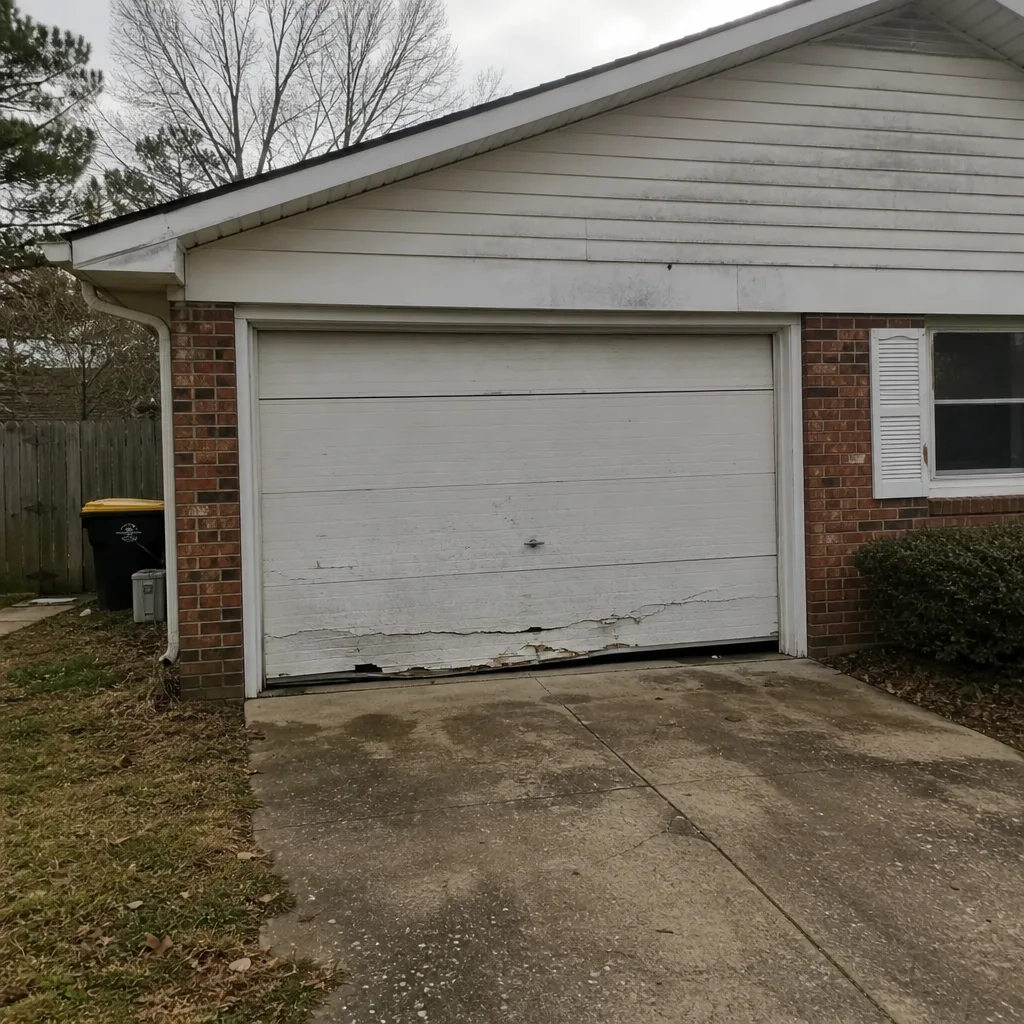 Before
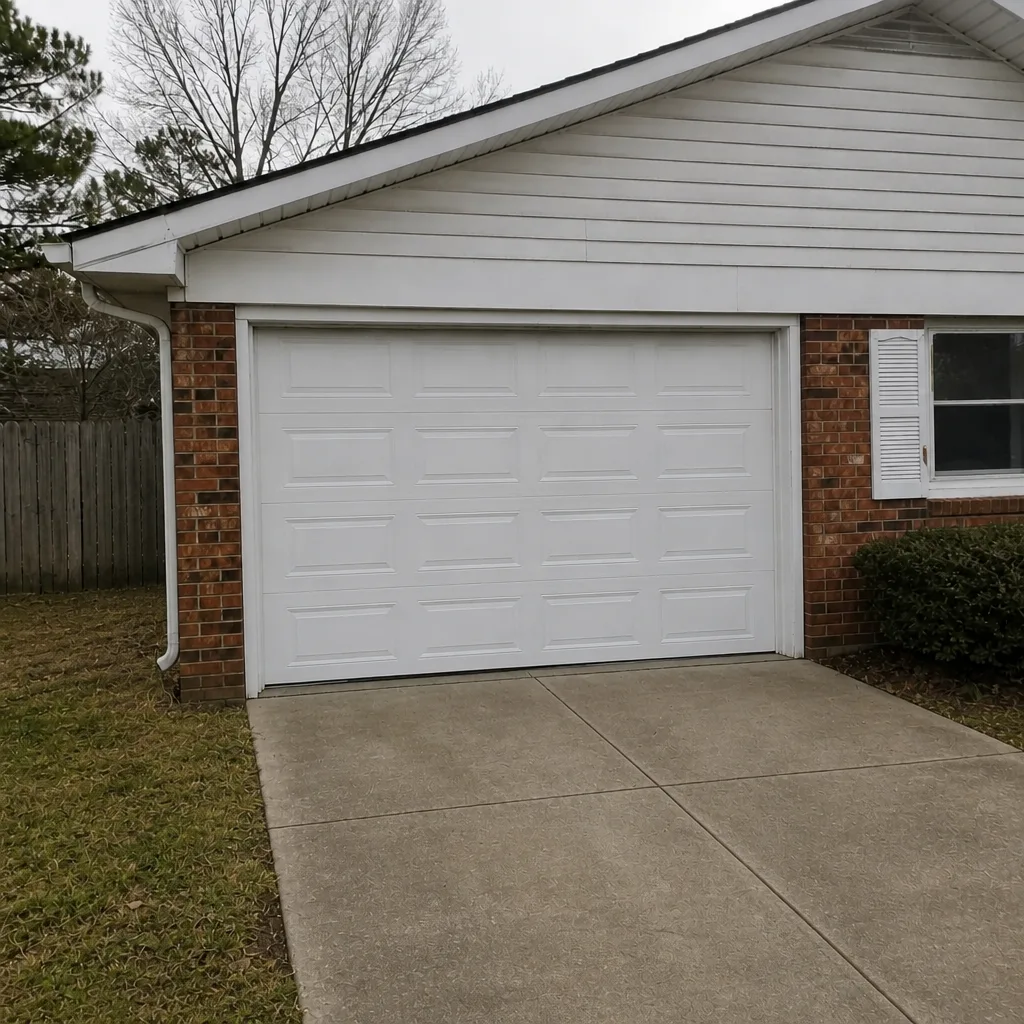 After
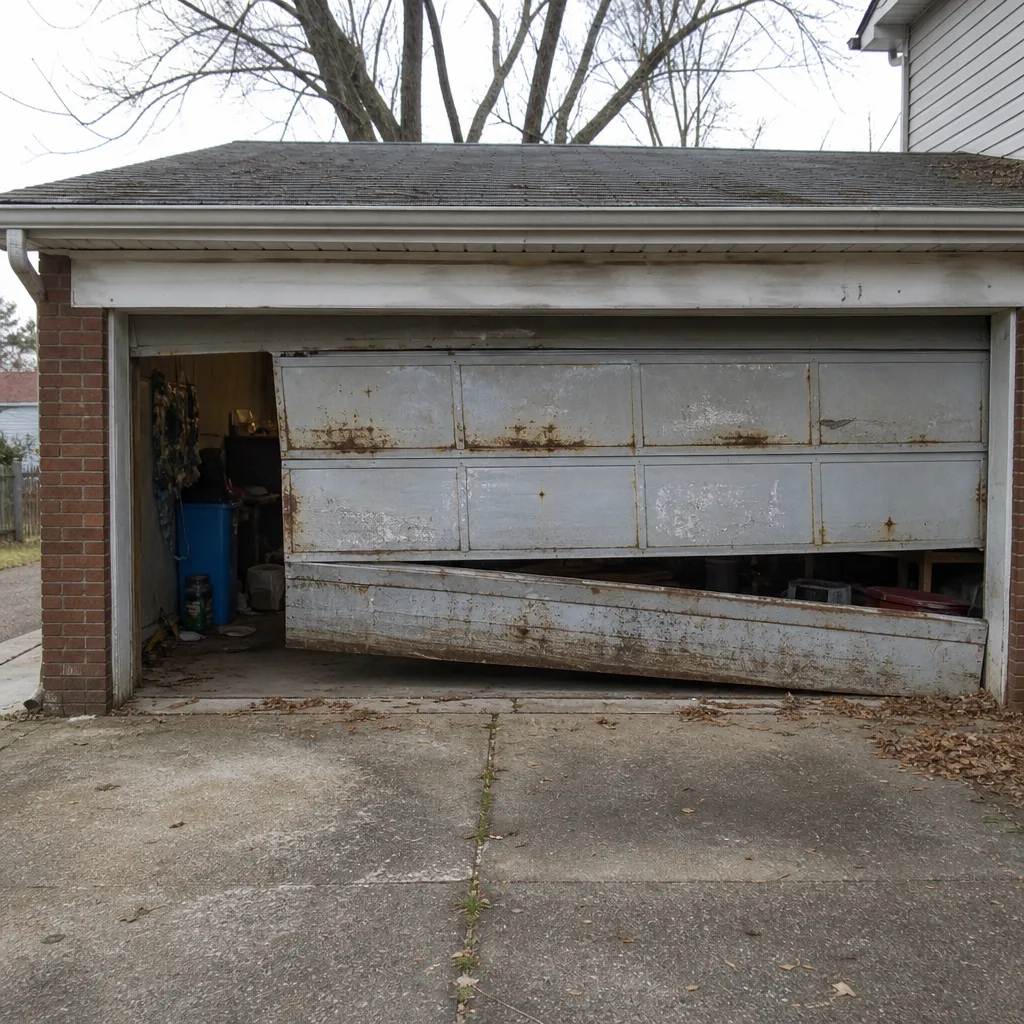 Before
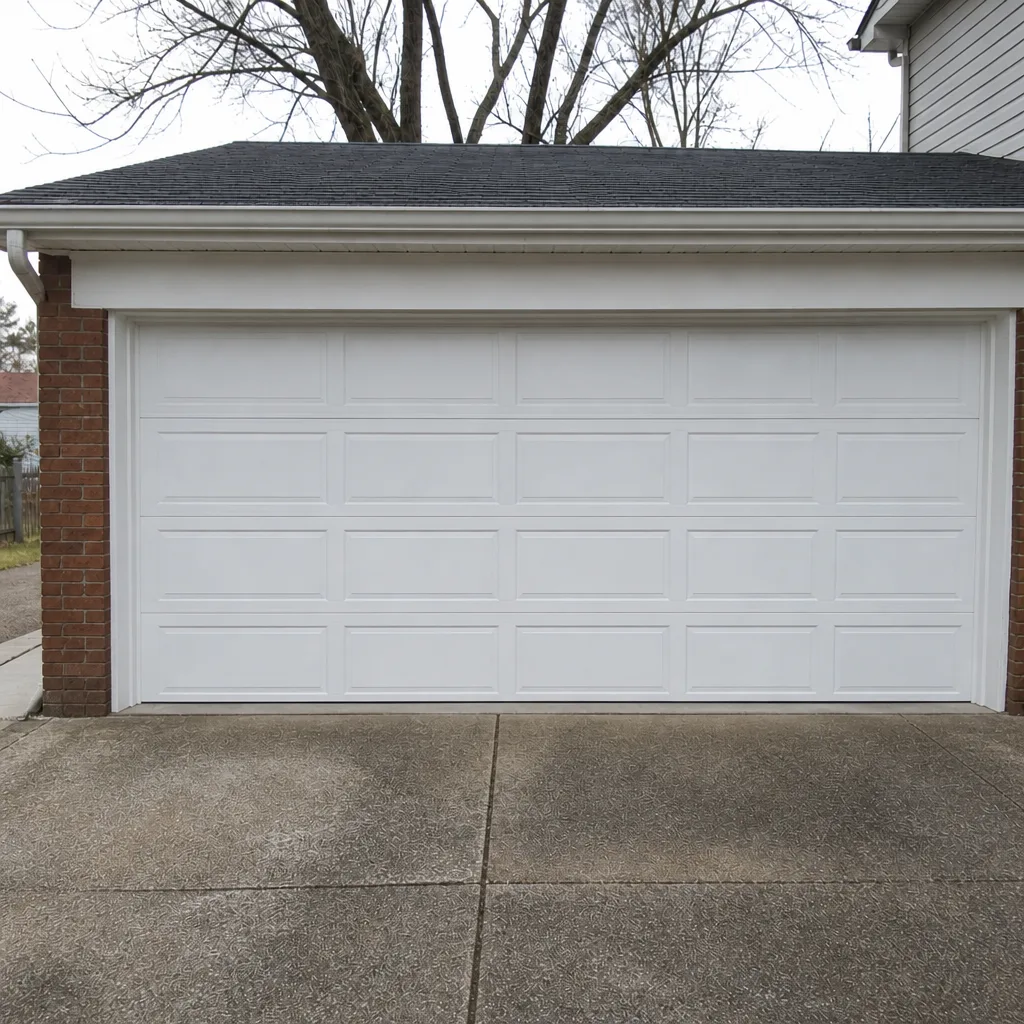 After
When to Call a Professional
Call a professional if the door won’t open or close at all, if a spring has broken, if you hear a bang from the garage, or if a cable is visibly frayed or hanging. Call if the door is crooked, if it reverses inconsistently, or if the opener hums without moving the door. Call before a replacement if you want the door measured, sized, and quoted properly, and call if the door has become hard to lift by hand. Spring and cable work, opener electrical diagnosis, and full installation all deserve a trained technician. Garage Door Repair Green Run offers free estimates in Green Run – call (888) 260-6416. Our technicians have up to 13 years of experience, and we work on the brand already in your garage, including Wayne Dalton, Craftsman, Raynor, and LiftMaster.
Frequently Asked Questions
A new garage door in Green Run is typically quoted per job based on size, material, insulation, and opener, with written estimates setting the final price. Steel doors are the most economical; composite and insulated doors cost more but hold up better in humidity. Call (888) 260-6416 for an exact quote – estimates are free.
Same-day service is often possible for repair calls, especially for a broken spring or a door that won’t close. Call early and we’ll let you know what’s available. Call (888) 260-6416 to book.
Most torsion springs last about 7 to 12 years, with humid, salt-influenced air shortening that by rusting the hardware. Extension springs typically last 5 to 10 years. If a spring is broken or the door is hard to lift, stop using it and call a professional.
Yes, in most Green Run associations. Get written approval from your HOA before ordering, because guidelines vary and a door installed without approval may have to come down. Gather your guidelines, the application form, and manufacturer color sheets first.
We service LiftMaster, Chamberlain, Genie, Clopay, Amarr, Wayne Dalton, Craftsman, and Raynor. That covers the most widely-installed openers in the area, including smart-home systems like LiftMaster/myQ and Genie Aladdin Connect. If you’re unsure of your model, we can identify it during a visit.
Often, yes, especially if the door is older than about 15 years or the hardware is failing. A current door with a factory finish and proper insulation resists humidity better and cuts energy loss over the garage. We’ll give you a written estimate so you can compare cost with repair.
Humidity and fine salt particles in the air settle on metal and hold moisture against it, so hinges, rollers, and the track rust sooner than inland. Regular lubrication and a corrosion-resistant finish on the hardware slow it down.
The Bottom Line
Garage doors in Green Run have to survive humid, salt-influenced air, HOA rules, and a housing stock now well past its builder-grade years. Choose a heavier steel or composite door with a factory finish, confirm HOA approval before you order, size the spring and opener to the door’s actual weight, and keep the bottom seal and moving parts maintained. For repairs or a new door, call (888) 260-6416. Garage Door Repair Green Run offers free estimates in Green Run, and our technicians have up to 13 years of experience working on LiftMaster, Chamberlain, Genie, Clopay, Amarr, Wayne Dalton, Craftsman, and Raynor equipment. From a broken spring to a full new door, we can help you decide what to do next.
Written by the team at Garage Door Repair Green Run.