Garage Door Permits, Codes & Inspections in Green Run, VA: What You Need to Know
Most homeowners assume a garage door is simple enough to swap without paperwork. In Green Run, that assumption holds right up to the moment you change the size of the opening. Virginia’s building code draws a sharp line here, and it runs right through the middle of the most common garage door projects. This guide explains where that line sits, when the City of Virginia Beach wants a permit, how the process actually works, and what an inspector looks at on the day. If you’re planning a new door, an enlargement, or a structural change to your opening, read this first so you know what you’re signing up for before any work begins.
In Green Run and the rest of Virginia Beach, replacing a garage door with one of the same size and type is generally treated as maintenance and doesn’t need a permit. Changing the size of the opening, cutting or framing new structure, or altering the header almost always requires a building permit under the Virginia Uniform Statewide Building Code. If the garage is attached to your home, the door may also need to satisfy a fire-rated door requirement. When in doubt, call Virginia Beach’s building department and ask before you order the door.
The simplest way to think about it: if you’re putting back what was already there, you probably don’t need a permit. If you’re changing the footprint, the structure, or the way the opening is supported, you almost certainly do. That distinction matters because a garage door replacement is one of the cheapest home improvements a Green Run homeowner can make, and a mistake on the permit question can cost far more than the door itself.
Here’s how the three categories typically break down in Virginia Beach:
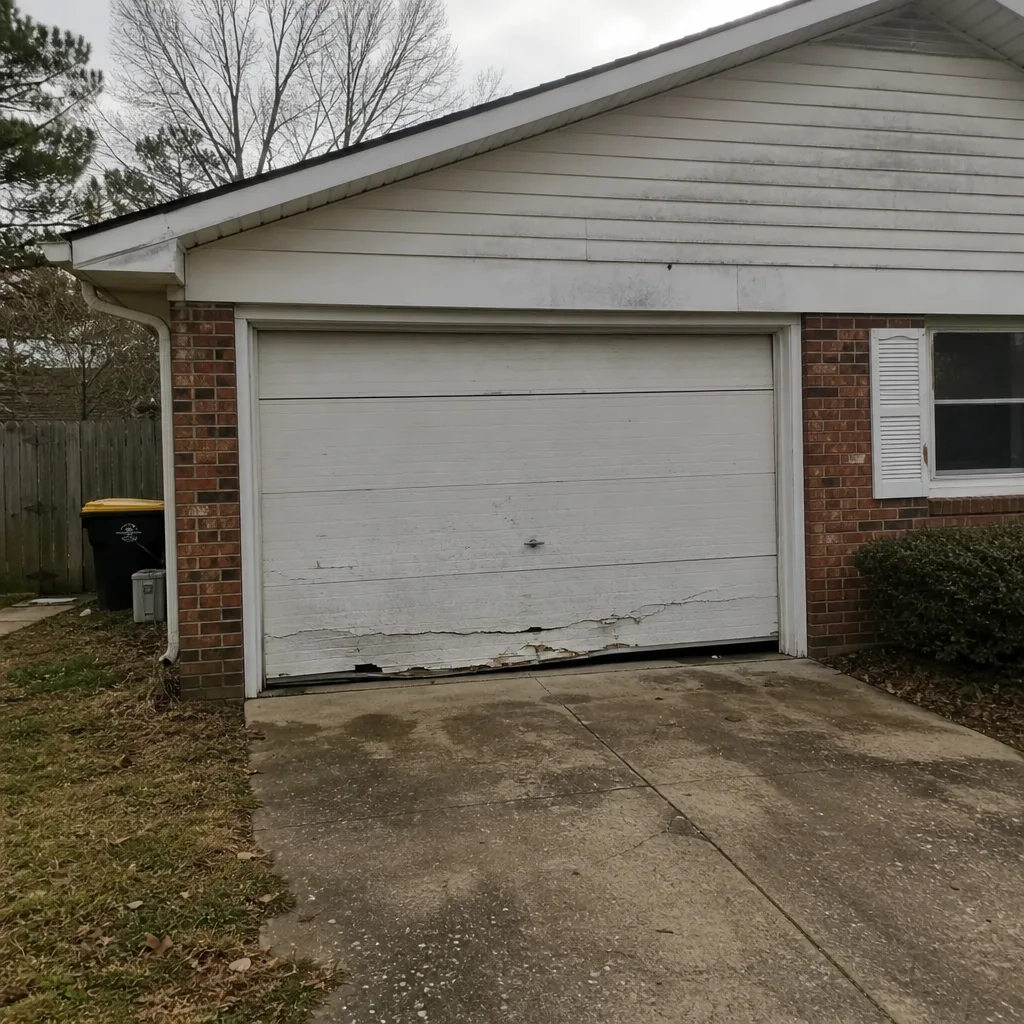
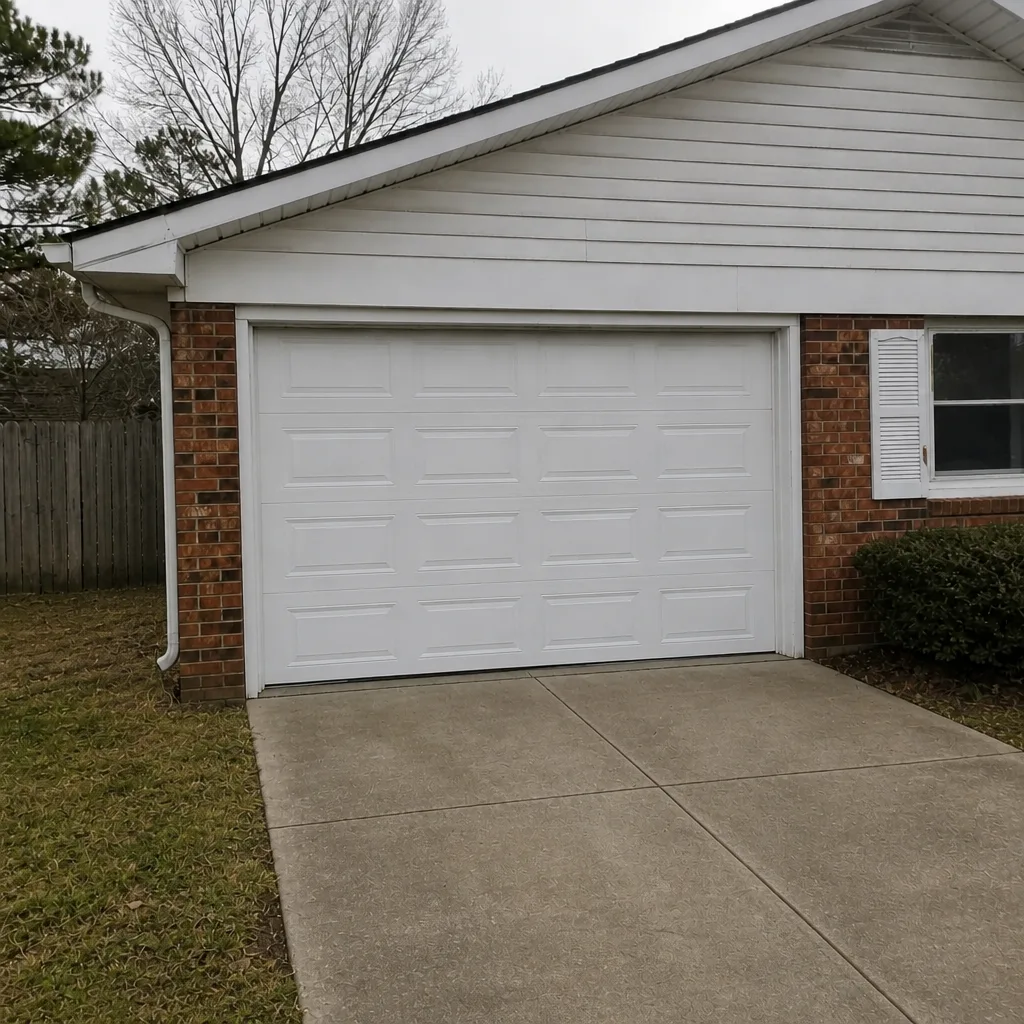
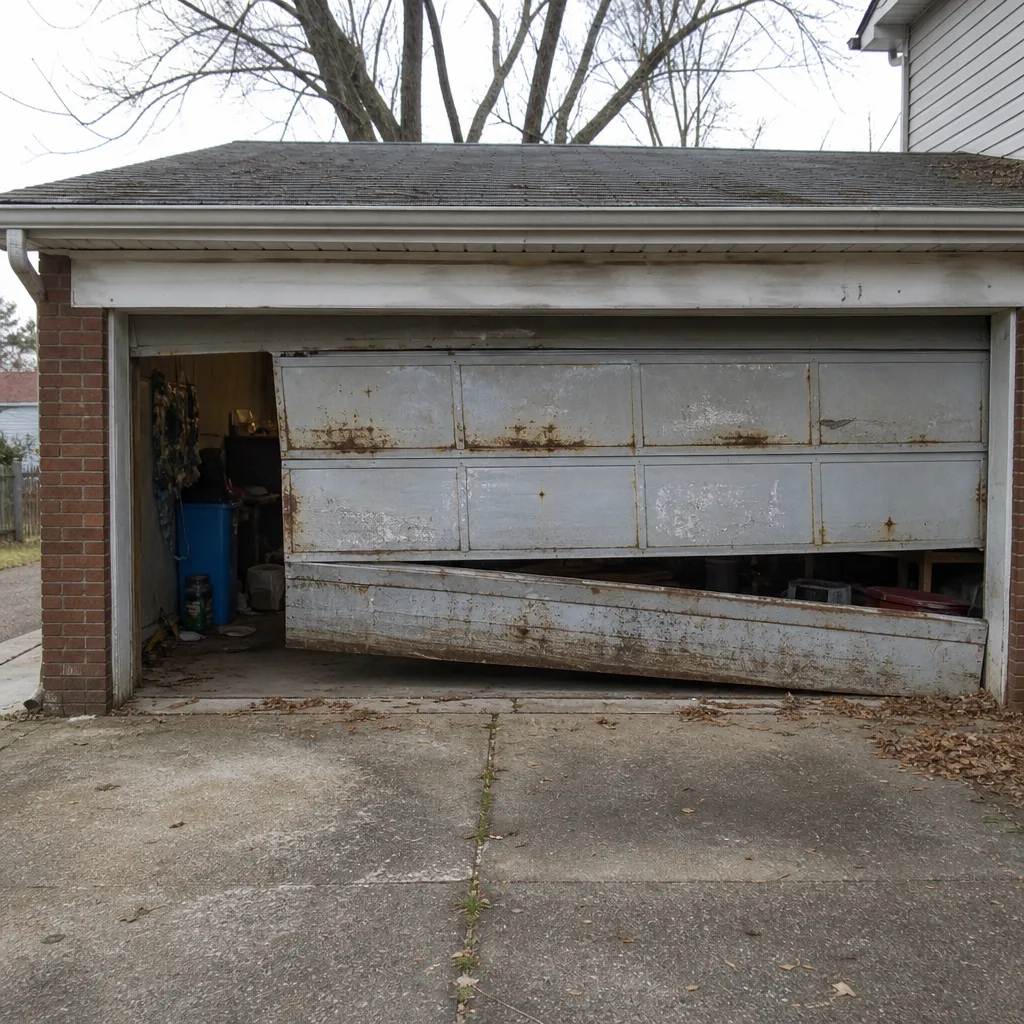
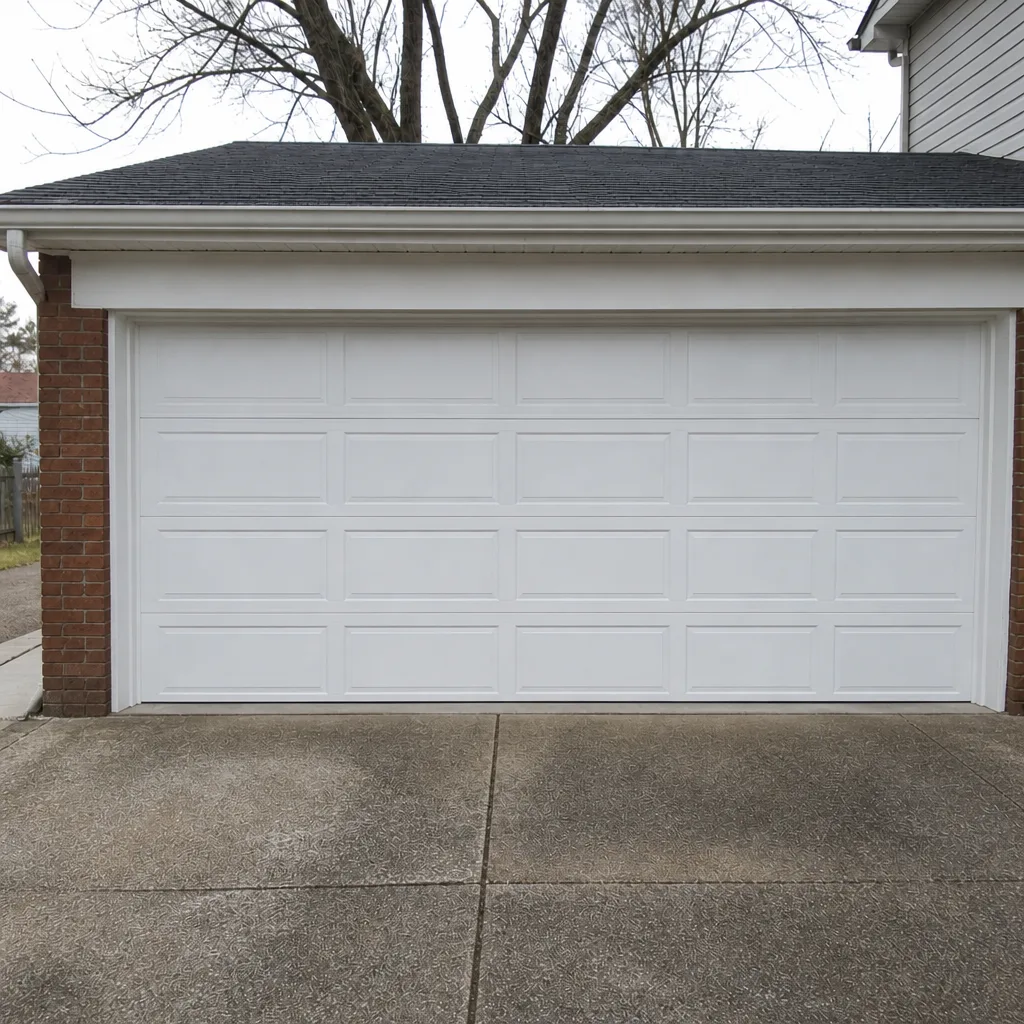
Maintenance and repair: Replacing a broken spring, a section that’s been dented, the opener, the tracks, or the rollers. Swapping a door for one of the same dimensions with the same operation type. No permit is normally required for any of this.
Alteration: Changing the door style or operation in a way that affects the opening – for example, moving from a standard tilt-up to a sectional door, or reworking the headroom. This sometimes triggers a permit depending on the scope, and it’s worth a call to the city.
Structural change: Enlarging the opening, raising the header, widening the rough opening, or reframing. This requires a permit in almost every case, and often engineered drawings as well.
The reason structural changes matter so much is that a garage opening is load-bearing. The header above the door is carrying the weight of the wall above it. Cut into that, and you’ve changed how the house carries load. In Green Run’s housing stock – much of it built in the mid-to-late twentieth century, in the ranch and split-level styles common across the neighborhood – the original framing wasn’t designed with a wider opening in mind. That’s where the real cost of getting the permit question wrong lives.
What the Virginia USBC Covers on Garage Door Work
The Virginia Uniform Statewide Building Code (USBC) is the version of the International Residential Code that Virginia has adopted and amended. It governs how residential structure is built, altered, and repaired. For garage door work, the relevant sections fall into three areas: structural, life safety, and energy.
Structural
Any change to the header, jambs, or the rough opening of a garage door falls under the structural provisions of the code. The USBC requires that an altered load-bearing element be designed to carry the same or greater load as the original. In practice, this means if you widen the opening, you’re adding a larger header, which means an engineer’s stamp or a prescriptive design from the code book. Virginia Beach’s plan review will want to see one or the other.
Life safety
The USBC incorporates fire separation requirements for attached garages and requires garage door openers to include entrapment protection, meaning the auto-reverse feature and the photo-eye safety sensors. If you’re replacing an opener, the new unit has to include both. That’s one reason we encourage Green Run homeowners not to install a used opener pulled from an old door – the safety hardware isn’t guaranteed, and an inspector will flag it if it’s not there.
Energy
When a garage door is part of the building envelope – a heated garage, or an attached garage where the door separates conditioned from unconditioned space – the code sets a minimum insulation value. Most modern insulated doors clear it without issue. If you’re choosing between an insulated and a non-insulated door for a Green Run home, the insulated option is usually the right call for the local summer humidity alone.
How the Virginia Beach Permit Process Works
Virginia Beach runs its permitting through an online portal, and for a residential garage door permit the process is simpler than most homeowners expect. Here’s the general sequence:
Confirm the scope. Before you file anything, decide exactly what you’re changing. Door-for-door at the same size: no permit. Opening change or structural work: permit.
Gather your drawings. For a same-size replacement with a structural element involved, you’ll typically need a simple elevation and a plan view showing the header and jamb construction. For a change in opening size, an engineer’s letter or a prescriptive design detail is usually required.
File online. Virginia Beach accepts residential permits through its citizen access portal. You’ll need the property address, a scope description, the contractor information if you’re using one, and the drawings attached.
Pay the fee. Fees are assessed at the time of application and vary with the valuation of the work.
Wait for review. Simple residential alterations typically move through review in a matter of days, not weeks. Complex structural changes take longer, especially if plan review has follow-up questions.
Get the permit issued. Once approved, the permit is issued and work can begin. The permit card has to be available on site for the inspector.
Schedule the inspection. When the work is done, you (or your contractor) request the inspection through the same portal. The inspector visits, checks the work against the approved scope, and either passes it or writes a correction notice.
For Green Run homeowners, the practical reality is that most garage door replacements don’t need any of this. Where it gets stressful is when a homeowner has an existing unpermitted change on the property – a previous owner’s enlarged opening, for instance – and it surfaces during a sale. That’s the scenario where the permit process has to be worked backwards, and it’s usually much more expensive than doing it right the first time.
What a Residential Garage Door Permit Costs in 2026
A residential garage door permit in Virginia Beach is a small line item. The fee is calculated on the declared valuation of the structural work, and for a typical opening change it lands in the low three figures. The bigger costs come from the engineering and the remediation if the work has to be brought back into compliance later.
Here’s a rough breakdown of what a Green Run homeowner can expect when a permit is in play:
Item
Typical Range
Residential building permit fee (structural garage door work)
$85 to $250 depending on scope
Engineer’s letter or prescriptive design detail, if required
$250 to $600
Contractor’s cost to file and manage the permit
Often included; ask upfront
Standard same-size door replacement, no permit needed
$0 in permit fees
One thing we always tell Green Run homeowners: the permit fee itself is never the expensive part. The expensive part is discovering after the sale paperwork is signed that a structural change was made without a permit, and having to reverse it. Bringing an enlarged opening back to its original dimensions involves new framing, drywall, siding, and a new door – and the cost multiplies fast.
If you’re not sure which category your project falls into, the cheapest phone call you can make is to the city’s building department. Ask them to describe what a permit for your specific scope would require. If they tell you a permit is needed, ask us for a written estimate before you file, so you know what the full project costs. We give free estimates across Green Run and the rest of Virginia Beach.
Fire-Rated Doors for Attached Garages
If your garage is attached to your home, the wall and door between the two are a fire separation. The USBC requires that separation to slow the spread of fire from the garage into the living space. In Virginia Beach, that means the garage door on an attached garage – and, more commonly, the entry door from the garage into the house – may need a fire rating.
The garage door itself has a slightly different treatment than the entry door. The vehicle door is generally required to be self-closing and self-latching, and the separation wall has to be protected. The entry door between garage and house is the one that most often needs a fire-rated label.
Most modern insulated sectional garage doors from Clopay and Amarr are available in configurations that satisfy the separation requirement when properly installed.
The entry door from garage to house is the one to look at most closely – a labeled fire-rated door is standard for that location in attached garages.
If your garage in Green Run was converted from a carport at some point, check whether the original separation wall survived the conversion intact. It usually does, but not always.
If you’re replacing a door on an attached garage, ask the manufacturer or your installer to confirm the fire rating in writing before the door is ordered.
Detached garages are a different story. Fire separation doesn’t apply the same way, so the door choice is more about insulation and security than about rating. Most Green Run homes have attached garages, but the neighborhood does have some detached configurations.
HOA Approval vs. City Permit: Which Comes First
This is the step almost every homeowner skips, and it causes more delay than the city process does. In Green Run, as in much of Virginia Beach, many properties are subject to a homeowners association with architectural review rules. The HOA isn’t the city, and the city isn’t the HOA. You may need both, and there’s a right order to do them in.
Check your HOA’s architectural guidelines first. The rules usually specify approved door colors, panel styles, window placement, and sometimes height restrictions. If your chosen door doesn’t fit, no permit from the city will save the project.
Submit the HOA application. Many HOAs require a photo or manufacturer spec sheet and a site plan showing the door location. Some charge a small application fee.
Get the HOA approval in writing. Verbal approval is worth nothing when a neighbor files a complaint six months later. Keep the written approval.
Then apply for the city permit, if one is needed. The permit application can reference the approved door spec. Reviewers only care about code compliance, not aesthetics, but the spec has to match what goes on the house.
Install the door. Order, install, and keep the HOA approval in your records.
Schedule the city inspection if a permit was issued. If no permit was required, the project is done at the point of installation.
The order matters. Filing for a city permit first and then discovering that the HOA won’t approve the door style is a wasted two to three weeks of plan review. Worse, some HOAs have slow review cycles in their own right, so starting early is the only way to keep the project on schedule. If you don’t know whether your Green Run street falls under an HOA, check your deed or ask a neighbor. It’s an easy question with a fast answer.
What Inspectors Check on a Garage Door Replacement
When a permit is issued for garage door work, the inspection is a short visit with a specific checklist. Inspectors aren’t checking aesthetics or fit and finish. They’re checking the five things that matter for structural and life safety.
1. The header and framing
The inspector will look at how the header above the opening is supported and whether it matches the approved drawings. If the plan called for a certain size of header, the inspector will measure it. If the plan called for engineered hardware, they’ll look for the stamp on it.
2. The door’s attachment to the structure
Door track brackets and springs are anchored to the framing above and beside the opening. The inspector will confirm the anchoring goes into structural material, not just into drywall or a thin piece of trim. This is a common failure point on DIY installs, where the brackets look fine but are holding into a weak surface.
3. Safety hardware on the opener
If a new opener was installed, the inspector will confirm the photo-eye safety sensors are present and functioning, and that the opener’s entrapment protection works. Test it before the inspector arrives – the last thing anyone wants is a red tag over a misaligned sensor.
4. Fire separation ratings, if applicable
For attached garages, the inspector will look at the separation between garage and living space. If the project touched that wall, they’ll check the fire-rated materials are in place and labeled correctly.
5. Compliance with the approved scope
The last check is simply whether the work matched the permit. If the plan said a same-size replacement and the installer enlarged the opening for a wider door, that’s a stop-work. This is the most common inspection problem we hear about, and it almost always comes from a scope change made after the permit was pulled.
If any of these fail, the inspector writes a correction notice and the work pauses until it’s resolved. Most corrections are straightforward – a bracket moved, a sensor realigned, a label replaced. The slow ones are structural. Which brings us back to the theme of this guide: the permit is cheap, the correction is not.
Common Mistakes to Avoid
Assuming a same-size door never needs a permit. It usually doesn’t, but if the work touches the header or the framing around the opening, the answer changes. Ask before you order the door.
Changing the opening size after the permit is issued. This is the most common source of inspection failure. A scope change mid-install means the permit no longer matches the work, and the project has to be re-permitted or reworked.
Ordering the door before checking the HOA rules. A beautiful new door in the wrong color can cost you the whole project. Read the guidelines before you shop, not after.
Skipping the fire-rated check on an attached garage. The inspector will look at it, and if the new door or entry door isn’t rated correctly, it comes back out.
Hiring a handyman for structural garage door work. Spring work and opener repair are one thing. Framing or enlarging an opening is another, and it needs a licensed contractor prepared to pull a permit.
Installing a used opener without the safety sensors. Entrapment protection is required under the code. A used unit pulled from an old door often comes without the full sensor set.
Ignoring the permit before selling. Unpermitted structural work surfaces during a buyer’s inspection and gets expensive fast. A small filing today avoids a large one later.
If any of those situations sounds like your garage, the fixed version of the problem is almost always a permit question. Get it answered before you spend anything. Our Garage Door Repair Green Run team can help you figure out what category your project falls into.
Some garage door work is fine as a homeowner project. A new remote, a replacement battery, a wiped sensor lens – those are quick fixes with no safety risk. Everything else merits a call.
Call a professional if:
The spring snapped, or the door feels heavier than usual when you lift it manually.
The opener runs but the door doesn’t move, or the door reverses on its own.
You’re considering any structural change to the opening (widening, raising, reframing).
You’re replacing the door and want help confirming what the code in Virginia Beach requires for your specific house.
The door is jammed and won’t close, and the security of the garage is at stake.
One safety note we can’t skip: garage door springs are under extreme tension, and a piece of hardware that lets go can cause serious injury. That’s why spring work is a specialist job, and why our technicians treat it that way. We keep garage door repair and garage door opener repair as distinct services with different tooling and training because they are in fact different jobs. Garage Door Repair Green Run offers free estimates in Green Run. Call (888) 260-6416. Our technicians have up to 13 years of experience, and we work on the brand already in your garage – including Chamberlain, Clopay, and Amarr.
If you’re planning a full replacement, we also handle garage door installation end to end. That means we can help you interpret the permit question and the inspection checklist for your specific Green Run home, all under one roof.
Frequently Asked Questions
Usually not, if the replacement door is the same size and type as the original. That’s treated as maintenance, not a structural change. If the work touches the header, the framing, or resizes the opening, Virginia Beach requires a building permit under the state’s uniform code. If you’re not sure, call the city’s building department and describe your scope before you order the door. Call (888) 260-6416 for a free estimate if you’d like a second opinion on the scope.
A residential garage door permit typically runs $85 to $250 depending on the declared valuation of the structural work. The bigger cost is engineering – if the change requires an engineer’s letter or prescriptive design, add $250 to $600. The permit itself is always the cheap part. Call (888) 260-6416 for a free estimate on the work itself.
You can do a same-size replacement yourself in Virginia Beach if you’re comfortable with the installation and you don’t disturb the structural elements of the opening. Anything involving the spring, the opener’s safety hardware, or the framing should be handled by a professional. Spring work in particular requires specific tools and carries real injury risk. Call (888) 260-6416 for a free estimate if you’d prefer to have it done safely.
Attached garages in Virginia Beach are required to maintain a fire separation between the garage and the living space, and the entry door between the two is the element most often required to be fire-rated. The garage door itself has to be self-closing and self-latching. Ask the manufacturer or your installer to confirm the fire rating on the door you’re considering before it’s ordered. Call (888) 260-6416 with questions about the door or entry door.
Possibly. Many Green Run properties fall under a homeowners association with architectural review rules that govern door color, panel style, and window placement. Get the HOA approval in writing before you order the door, and file the city permit afterward if one is required. Doing the HOA first saves weeks of plan review time. Call (888) 260-6416 if you want to talk through the door spec options.
The work can be required to be brought back into compliance, which can mean reversing a structural change entirely. In Virginia Beach, this most often surfaces during a home sale or a neighbor complaint. The fix usually involves re-permitting, plan review, and a remediation project. It’s much cheaper to ask first. Call (888) 260-6416 for a free estimate if you want to scope the remediation.
The Bottom Line
Garage door permits in Green Run and Virginia Beach come down to one question: did anything structural change? A same-size replacement is maintenance. A resized opening, a moved header, a reframed rough opening – those are alterations, and they need a permit. The permit is cheap in dollars and manageable in time. The mistake is expensive, and it usually catches up with a homeowner during a sale.
Do the HOA check first, then the city permit if one is needed, then schedule the work. Keep the paperwork. Get the inspection done. And if a spring fails or the door jams in the middle of all this, call us. Our technicians have up to 13 years of experience, and we can usually help within the day.
For a free estimate on garage door repair, opener service, or a new door in Green Run, call Garage Door Repair Green Run at (888) 260-6416. We’ll give you a written price before any work starts, and we’ll help you sort out whether the city needs a look before the door comes down.
Written by the team at Garage Door Repair Green Run.
Need Garage Door help in Green Run?Licensed & insured · 30-60 min response · free estimates
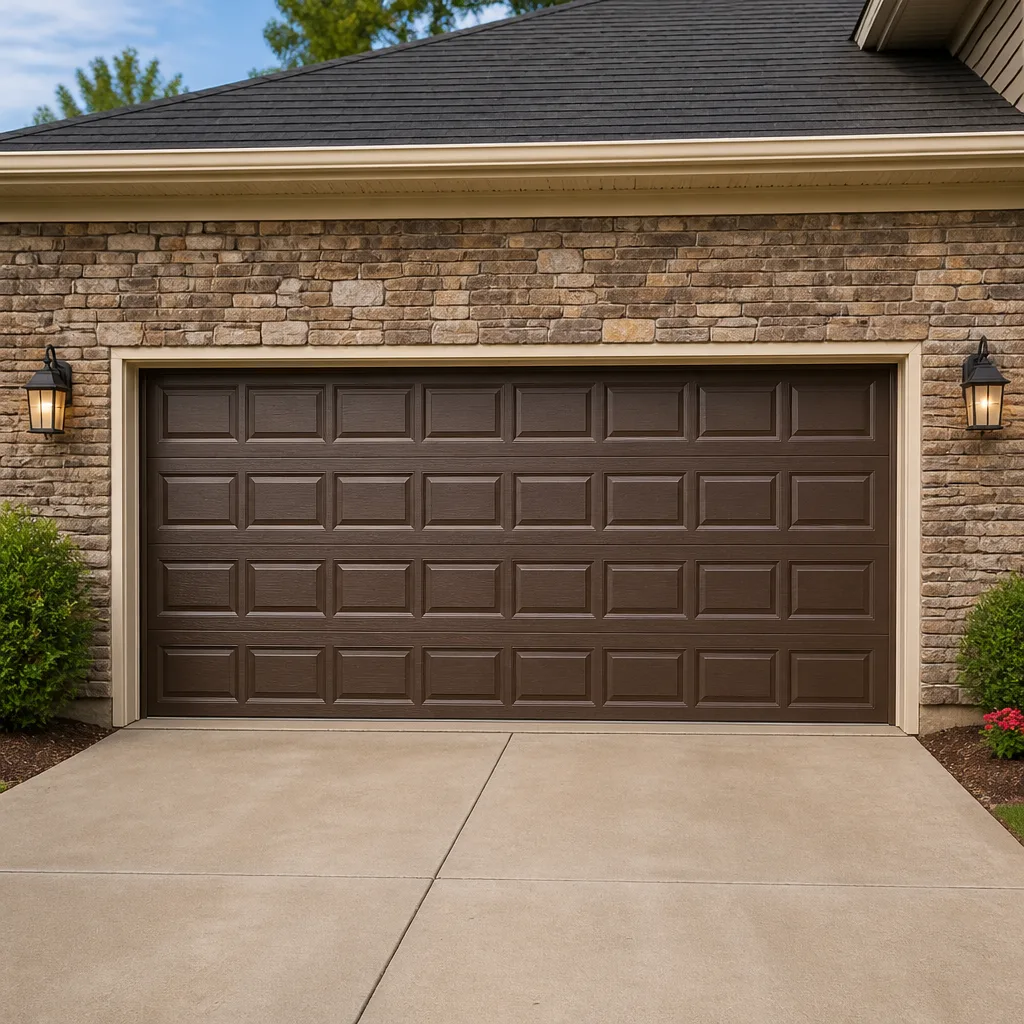 Raised-panel steel
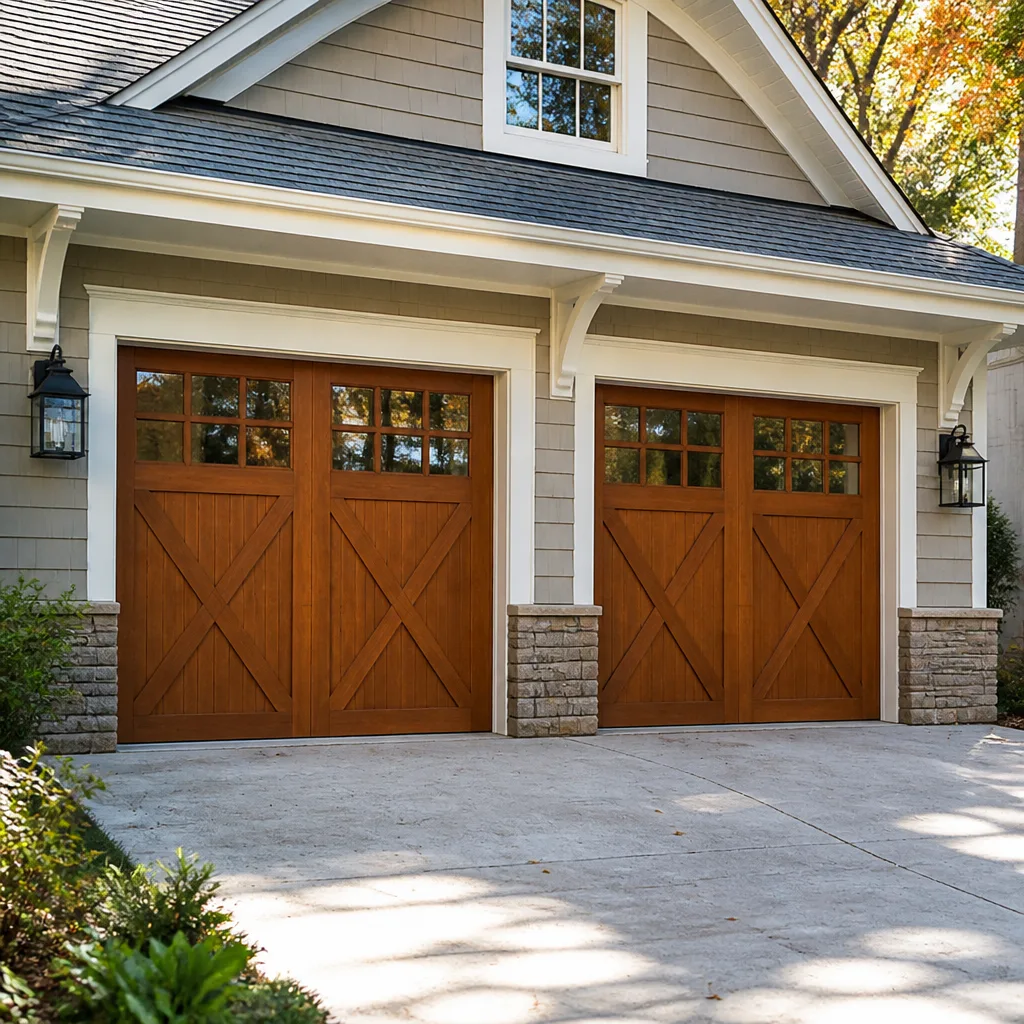 Carriage house
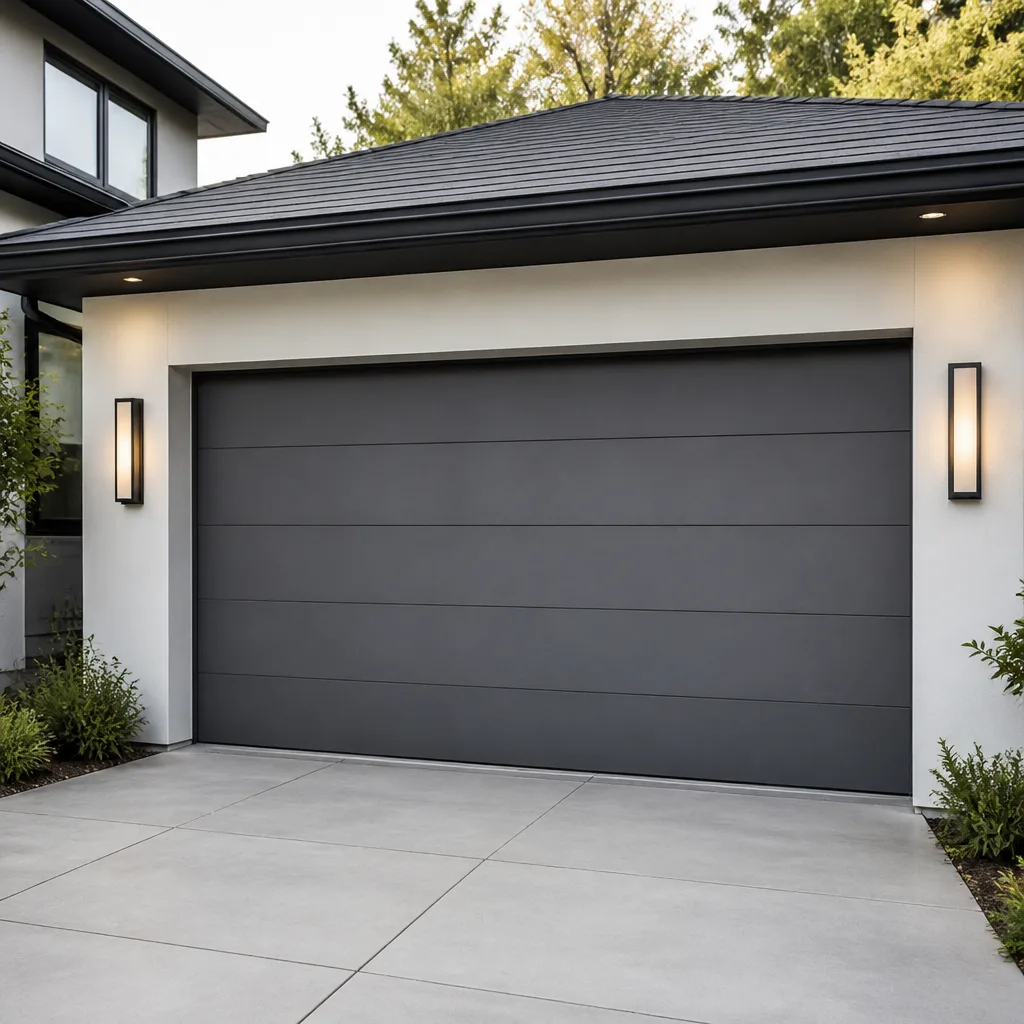 Modern flush
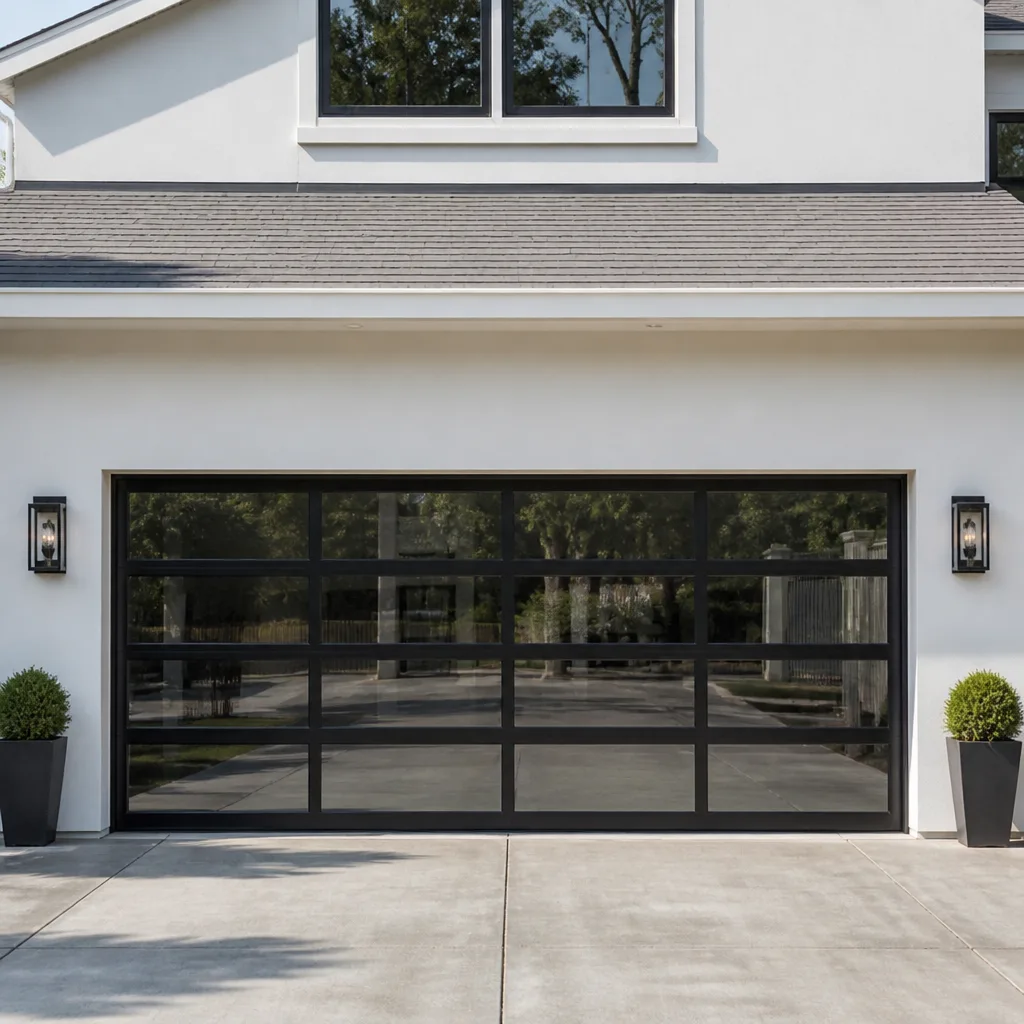 Full-view glass
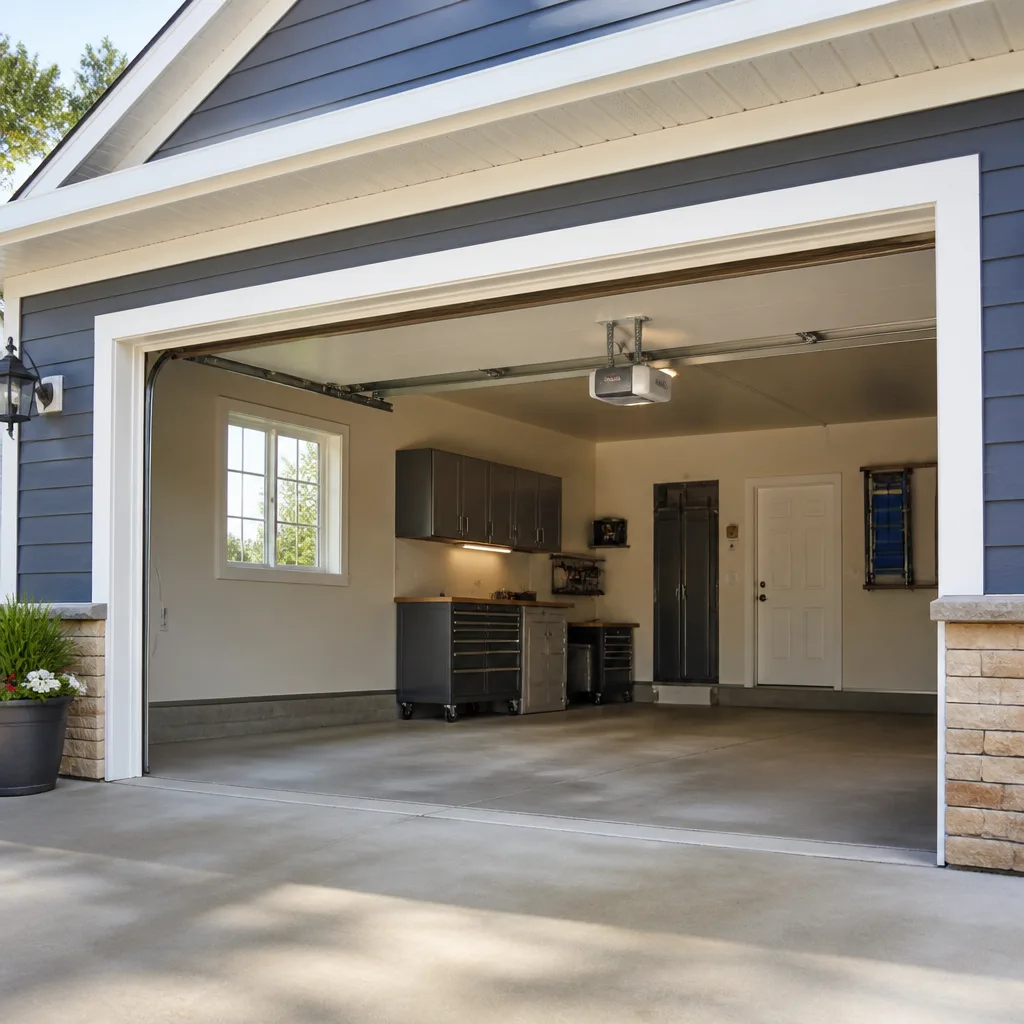 LiftMaster openers
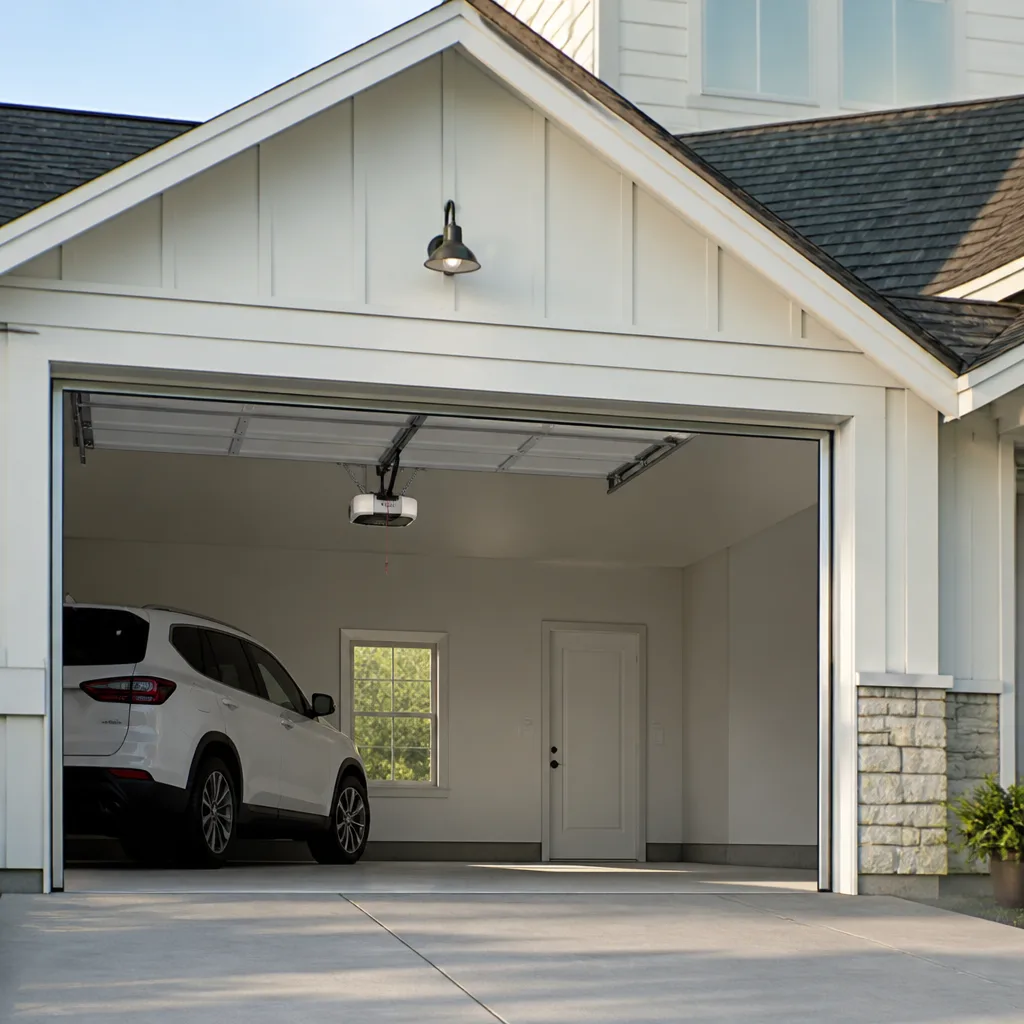 Chamberlain openers
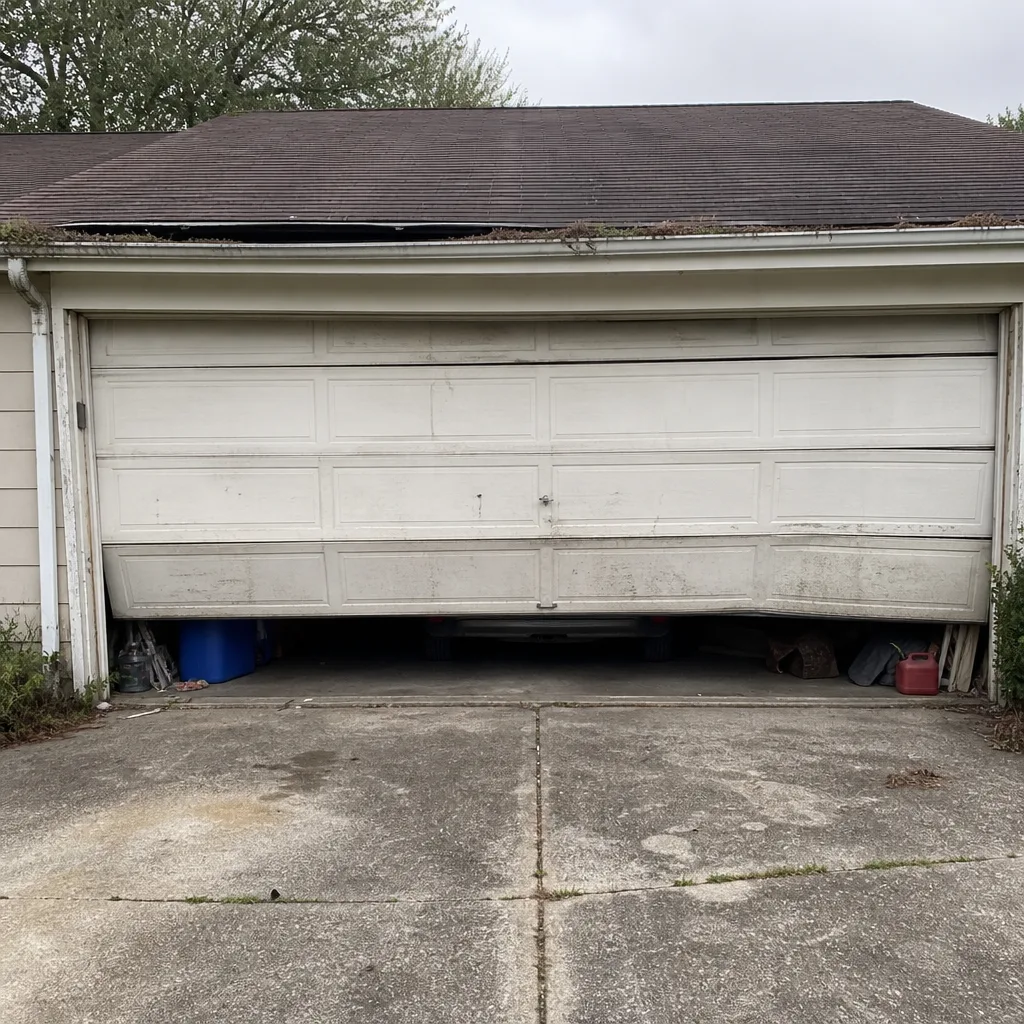 Before
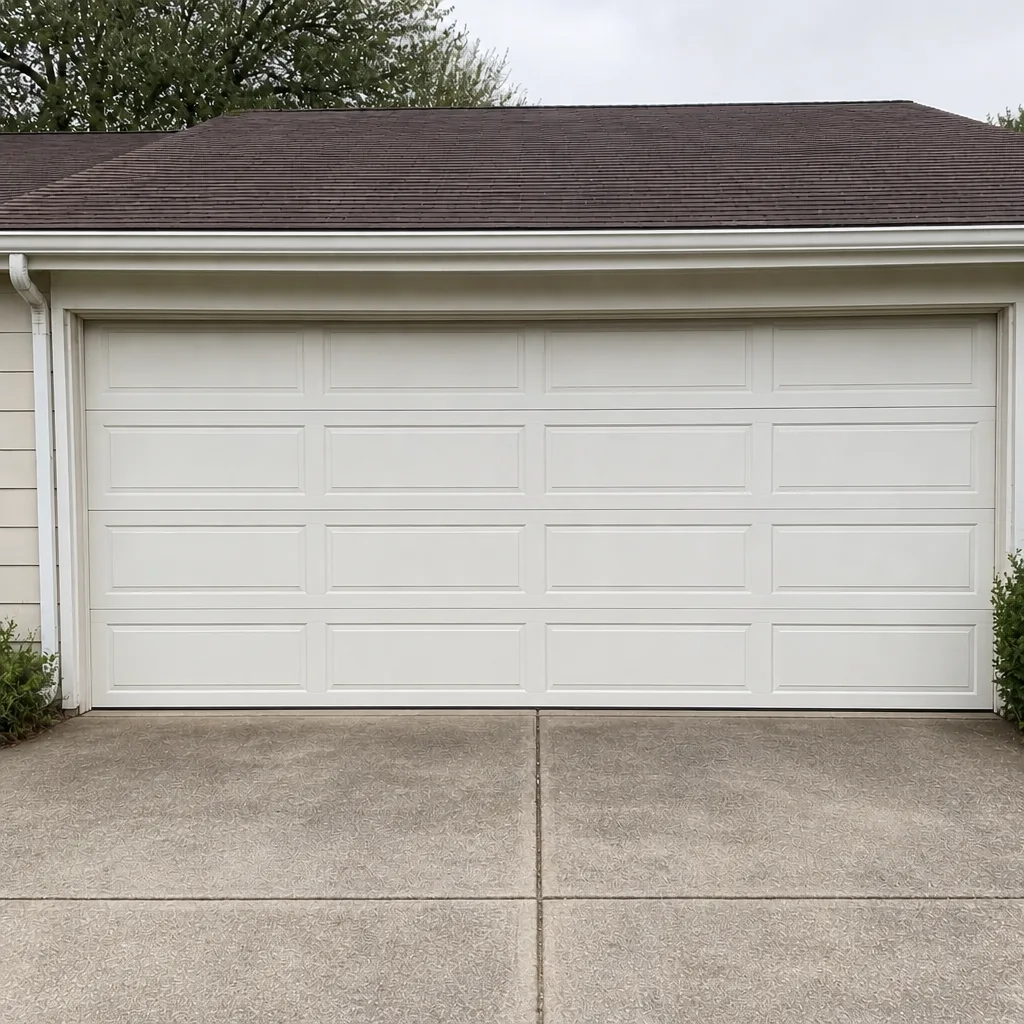 After
 Before
 After
 Before
 After