Last updated November 22, 2026
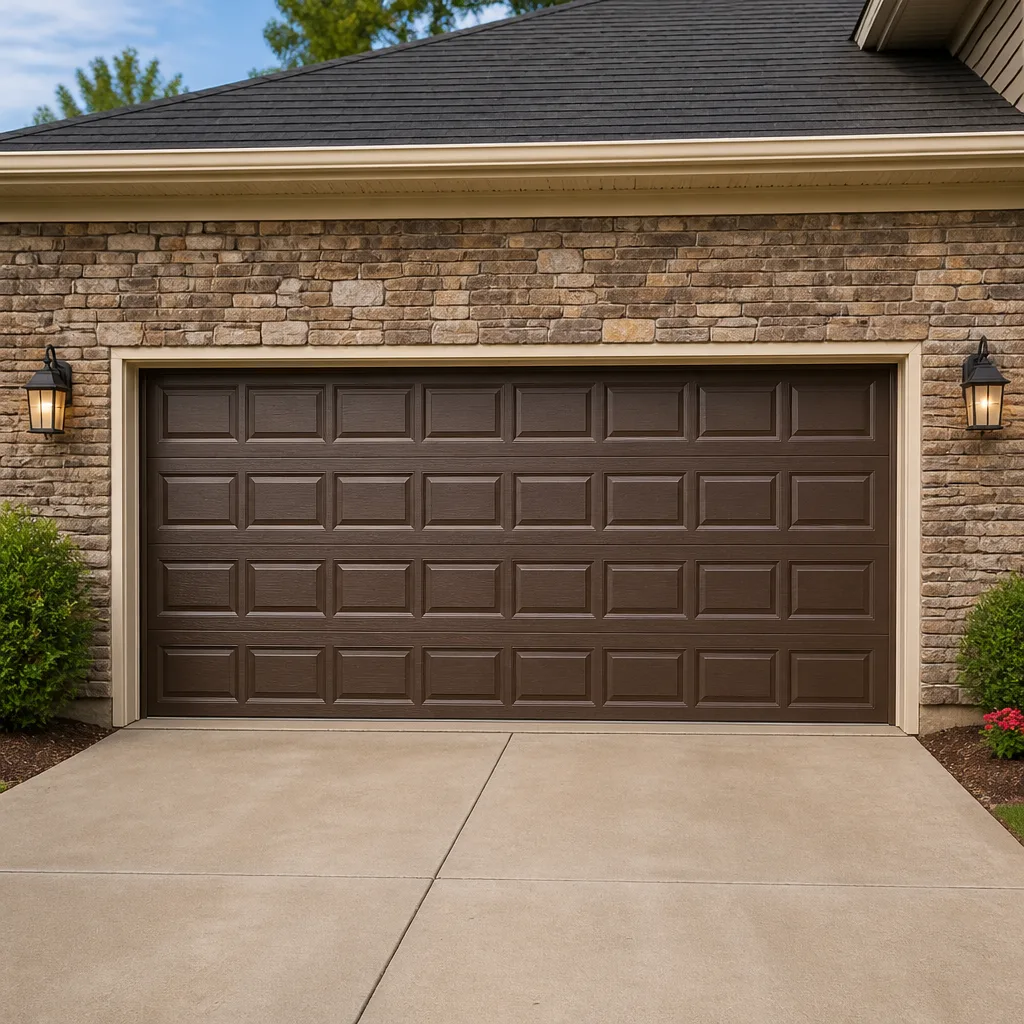 Raised-panel steel
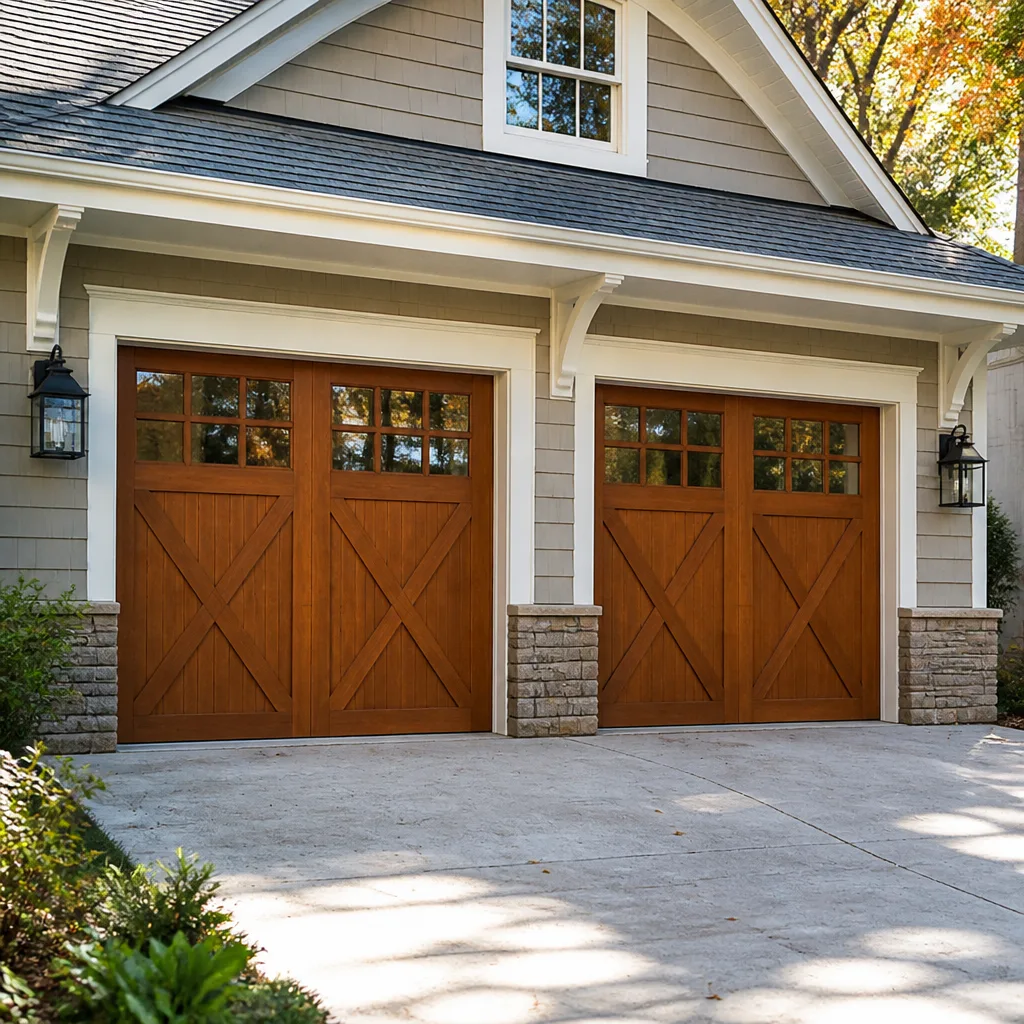 Carriage house
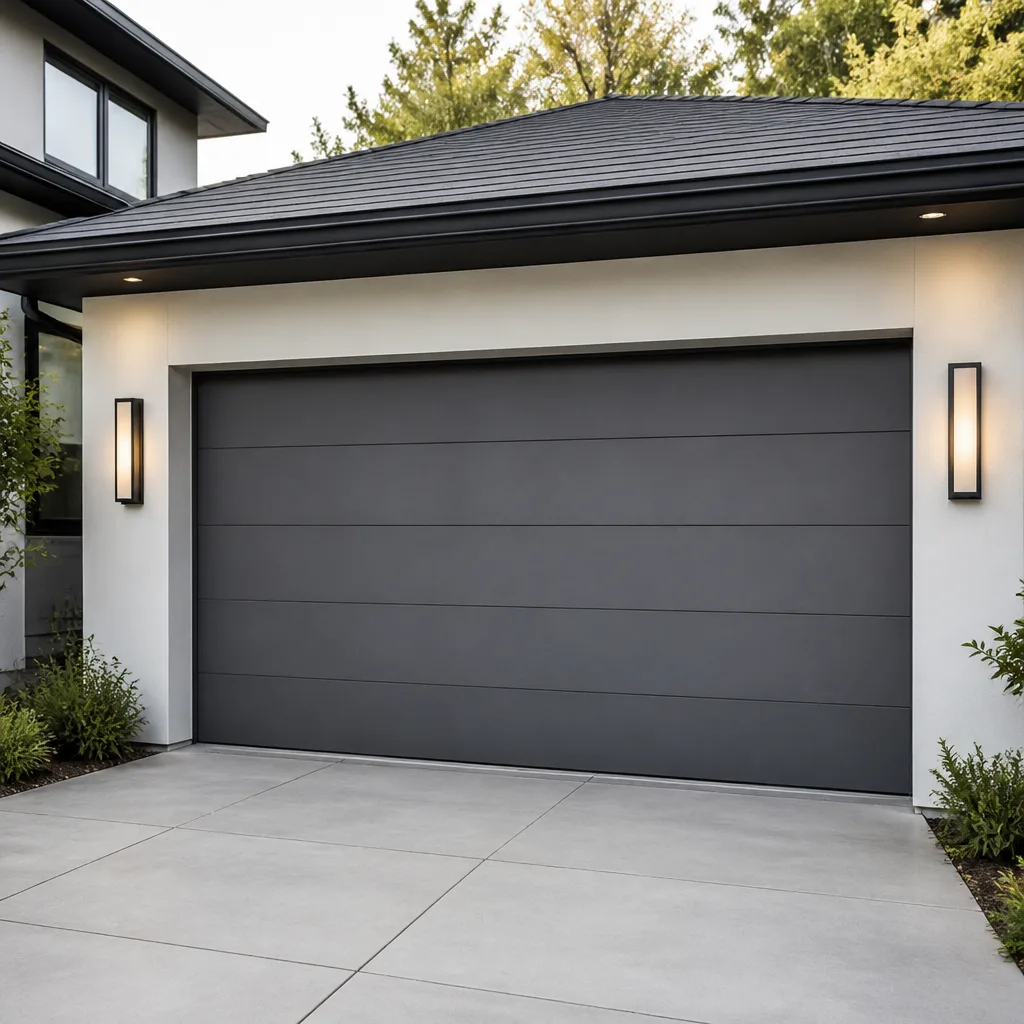 Modern flush
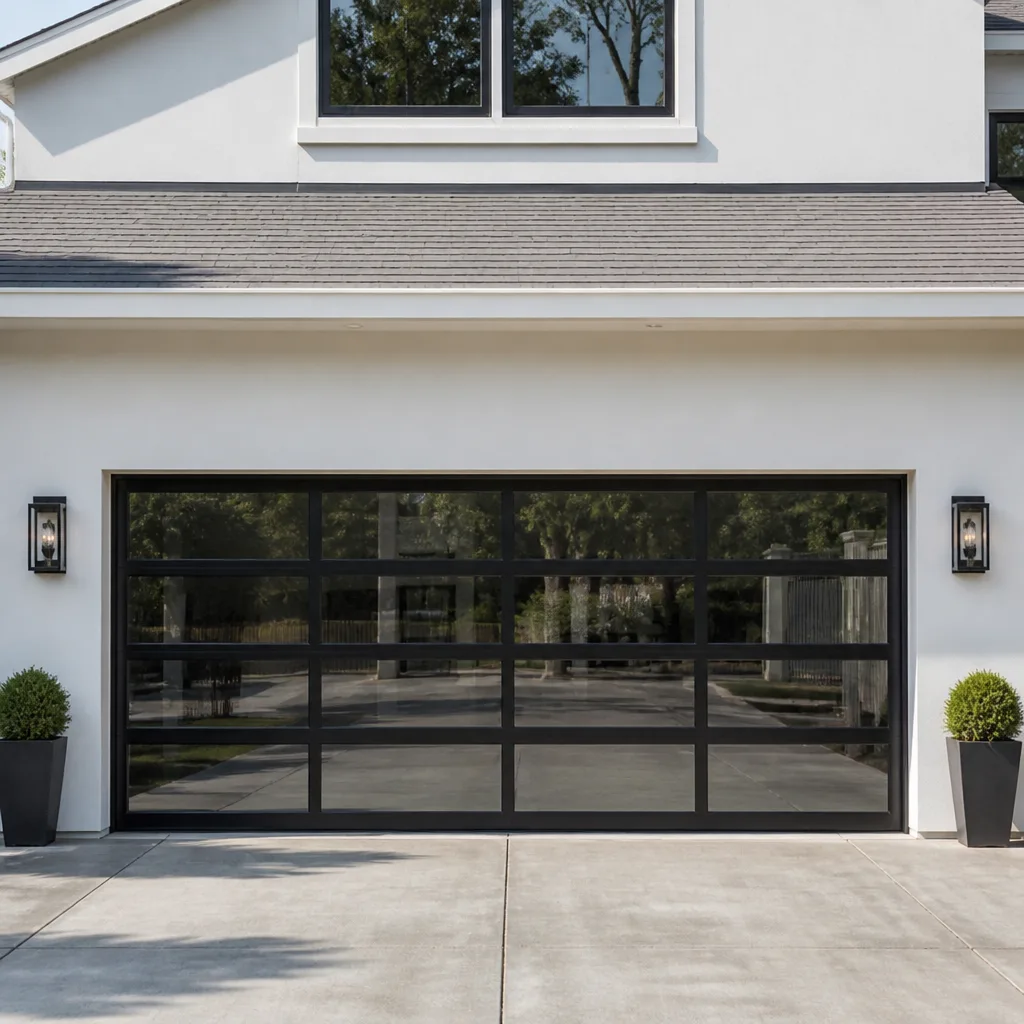 Full-view glass
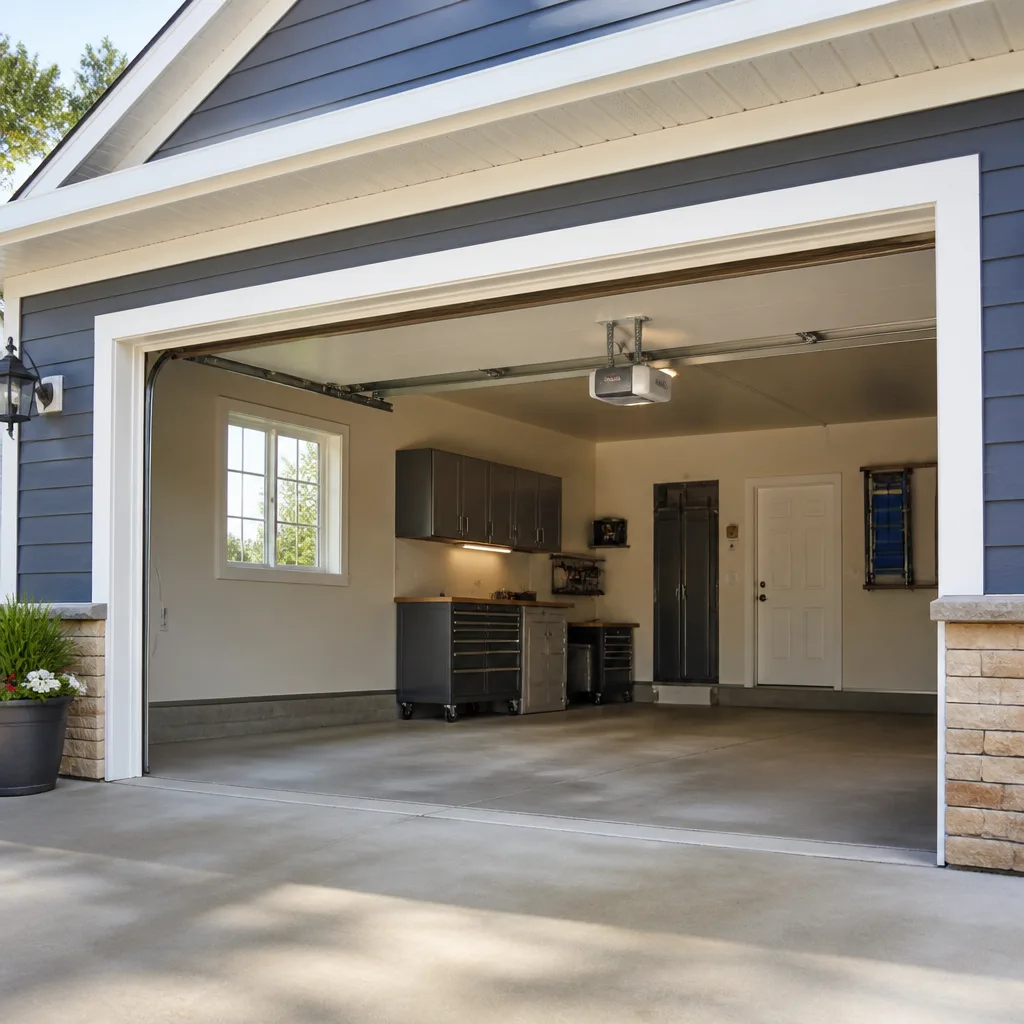 LiftMaster openers
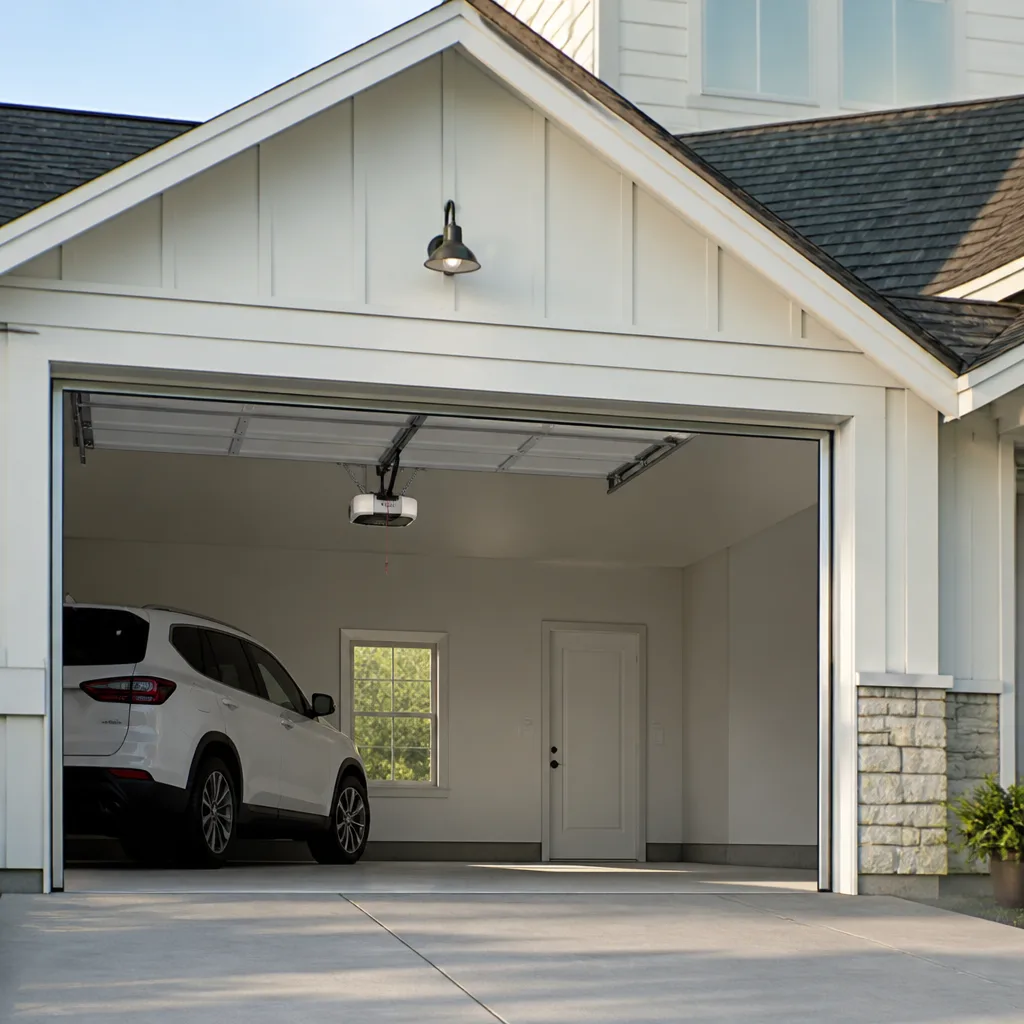 Chamberlain openers
Full 25-point door and opener safety check with every visit - springs, cables, rollers, tracks, and your LiftMaster or Chamberlain opener included
You get a price before we start. It does not change when the pro arrives.
Get your free estimateDIY vs Professional Garage Door: The Green Run Homeowner’s Decision Guide
A torsion spring holds the full weight of your garage door on a thin steel cable. That is the whole reason this question deserves more than a yes-or-no answer. Most homeowners in Green Run are perfectly capable of handling a few garage door tasks themselves, and most of them should never touch a spring or a cable. The tricky part is knowing exactly where that line falls before you start, not after the door is hanging off one track and the car is stuck inside. This guide sorts garage door work into three honest buckets: what you can safely do, what you can attempt with real caution, and what belongs to a trained technician. You’ll also get a straight cost-benefit look at the DIY jobs that make financial sense and the ones that quietly cost more than a service call.
Quick Answer
Some garage door jobs are genuinely fine to do yourself: lubrication, safety sensor alignment, remote reprogramming, and bottom seal replacement are all low-risk and easy to learn. Torsion springs, cables, track realignment, and opener motor replacement are not. Those involve stored mechanical energy or a powered mechanism that can injure you in under a second, so leave them to a professional. Everything in between, like a dented panel or a limit switch adjustment, is a judgment call you should make slowly.
Styles & brands we work with
- Raised-panel steel
- Carriage house
- Modern flush
- Full-view glass
- LiftMaster openers
- Chamberlain openers
Table of Contents
- The Three-Bucket Framework: Safe DIY, Caution, and Professional-Only
- Why Spring Work Is Categorically Different From Other Home Repairs
- The Jobs You Can Safely Own: A Walkthrough
- DIY Cost-Benefit: When Three Hours Saves Money and When It Doesn’t
- Where Green Run Homeowners Actually Get Parts
- How to Talk to a Technician About Work You Already Attempted
- Opener Repairs: The Smart-Home Curveball
- Common Mistakes to Avoid
The Three-Bucket Framework: Safe DIY, Caution, and Professional-Only
Every garage door task falls into exactly one of three categories, and the category is set by the energy involved and the failure mode if something goes wrong. A lubrication job that goes badly leaves a messy door. A spring job that goes badly can break a wrist. Once you start sorting jobs by what a botched attempt would cost you, the framework stops feeling arbitrary and starts feeling obvious.
Bucket one, safe DIY. These tasks involve no stored energy and no powered mechanism you could get bound up in:
- Lubricating hinges, rollers, and the torsion bar (never the spring itself)
- Aligning or cleaning the safety sensors at the bottom of the track
- Reprogramming a remote or keypad
- Replacing a worn bottom weather seal
- Cleaning the tracks and clearing small debris
Bucket two, proceed with caution. These are doable but carry real consequences if you get them wrong, so work slowly and stop if anything feels off:
- Denting out a minor cosmetic panel
- Adjusting the opener’s limit switch on a legacy unit
- Replacing a wall-mounted opener button (low voltage, but still electrical)
Bucket three, professional-only. These are the tasks where a mistake can injure you or cause a door to come down uncontrolled:
- Torsion spring removal, winding, or replacement
- Cable replacement or re-tensioning
- Track realignment after a bend or impact
- Opener motor or gearbox replacement on a current smart unit
Most homeowners in Green Run already have a clear sense of bucket one and bucket three. The trouble lives in bucket two, where the job looks approachable on video but the tolerance for error is thin. When you’re not sure which bucket a task belongs to, call and describe it. We’ll tell you straight which one it is, even if the answer is “you’ve got this one.”
Why Spring Work Is Categorically Different From Other Home Repairs
A garage door spring is a stored-energy problem, not a hardware problem. When a technician winds a torsion spring, they’re loading hundreds of foot-pounds of torque into a steel coil that wants to unwind the instant it is released. Your door weighs maybe 150 to 250 pounds, and the spring system is what allows you to lift it with one hand. That convenience is the same force that makes spring work dangerous, and it is why this is one of the few home repairs where an experienced technician wouldn’t attempt the job without the correct winding bars and a firm grip.
Here’s what separates a spring from every other repair on your door. A failed hinge, a loose roller, a broken remote: when these go wrong, the door stops working and you call someone. A failed spring during a DIY attempt is a different kind of event. The energy in the coil releases instantly, and the winding bar, the cable, or the spring itself becomes a projectile at close range. Technicians wear eye protection and use a specific two-bar technique for exactly that reason, and even with training that work is one of the more demanding tasks on the trade.
We’ve seen this play out the same way in Green Run time after time. The homeowner watches the video, buys the winding bars, gets the old spring half unloaded, and then the door’s weight shifts in a direction they didn’t plan for. That’s the moment where a job that started as a $30 DIY idea turns into an emergency call, and sometimes a hospital visit. If a spring has snapped and the door won’t open, call us and we’ll schedule time to get it fixed correctly. Fast, safe spring repair is not where you want to save a few dollars.
The Jobs You Can Safely Own: A Walkthrough
The tasks in this bucket all have the same trait: the door stays on its track, the spring stays wound, and the worst outcome is a door that still works exactly as it did before you touched it. You can absolutely take these on. Here’s how each one goes in practice.
Lubrication. Use a lithium or silicone spray on the hinges, the roller stems, and the torsion bar (not the spring coil itself, where grease attracts dust and grit). Spray the rollers at the stem, not on the wheel surface, which can pick up debris. Work the door up and down a few times before you walk away. This is a 15-minute job once or twice a year, and it does more for the life of the door than any other single maintenance task.
Safety sensors. The two small eyes at the bottom of the tracks must line up and see each other. If the door reverses on the way down for no apparent reason, check that small LED light on each sensor, wipe the lens with a dry cloth, and gently push the bracket back into line. The fix is usually bracket knock from a lawn mower or a bike lean. If the light won’t hold steady after that, the sensor or the wiring has failed and the door should not be operated.
Remote reprogramming. Clear the opener head memory and re-pair. On a LiftMaster or Chamberlain unit, that’s a matter of holding the learn button for a few seconds and following the sync pattern. On a Craftsman or older Genie unit, the process is different, so look up the specific opener model before you start. Skipping that step is the most common reason someone calls us saying the remote “won’t sync” when the real issue is the wrong pairing sequence.
Bottom seal replacement. With the door fully closed, slide the old seal out of its track, cut the new one to length, and slide it back in. Winter drafts and rain get under a worn seal, and it’s a quick job that noticeably improves the garage. Measure the width of the door before ordering, because the seals come in several thicknesses.
If any of these turns into something bigger once you’re in it, stop and call. Many of our customers have done exactly that right here in Green Run, and a short call can save an afternoon.
DIY Cost-Benefit: When Three Hours Saves Money and When It Doesn’t
A DIY job only saves money if you value your time at zero and the first attempt works. Once you count a second trip to the parts store or a damaged part you have to replace, the math flips fast. For a Green Run homeowner, here’s how the comparison usually shakes out for a few common jobs. Local pricing varies, so figure these are typical estimates, not a quote.
- Lubrication. DIY cost: one can of lubricant. Professional value: low, since the task is fast and easy. Clear win for DIY.
- Bottom seal replacement. DIY cost: the seal itself. Professional value: also low, but trimming and fitting can be fiddly on older doors. DIY is fine unless the seal channel is bent.
- Remote and keypad pairing. DIY cost: near zero. Professional value: still low, though quirky legacy openers sometimes need a call. Try it once yourself before booking anything.
- Panel dent repair. DIY cost: a repair kit or replacement panel. Professional value: meaningful, because a poorly seated or mismatched panel changes how the door seals and how it tracks. Do this one yourself only if the panel is cosmetic and you can find the exact color.
- Limit switch adjustment on a legacy opener. DIY cost: near zero if it goes well. Professional value: real, because a wrong limit setting sends the door into the header or leaves it open an inch. If you attempt it and the door still won’t travel correctly, stop.
- Spring or cable replacement. DIY cost: the parts plus a personal safety risk. Professional value: very high. There’s no version of this where the cost savings justify the risk.
The through-line is simple. Jobs that fail safe (the door just stops working and you can still get your car out) are worth trying yourself. Jobs that fail catastrophically (a spring releases, a cable whips, a door falls) are not. For a proper repair, call a Green Run specialist and get a written estimate before any work starts, so there’s no surprise on the invoice. That’s especially true when a stuck-open door is the reason you’re calling, since every hour a door sits open is a security problem more than a convenience one.
Where Green Run Homeowners Actually Get Parts
Where you source a part matters as much as whether you can install it, and in Green Run the answer depends on what you’re buying. Big-box home centers in the surrounding area carry the basics: weather seals, remote batteries, wall buttons, lubricant, and generic sensor kits. Those are the safe-DIY staples, and running out for one of them on a Saturday afternoon is perfectly reasonable.
What is harder to source locally is anything model-specific. A Genie sensor kit that matches your exact unit, a replacement LiftMaster gear assembly, a Craftsman-branded remote that still pairs with the older opener head, a Raynor bottom seal with the right profile: these usually have to be ordered, and that can mean several days of waiting.
That timing turns into a real problem when the door is stuck open. If a sensor has failed and the door refuses to close, ordering a replacement means leaving your garage open and unsecured for however long delivery takes. A wall button is a small part, but a door that won’t close at all is a bigger issue than the part. Under those circumstances, a technician who can source the part and get the door secured quickly is worth the call.
Our technicians have up to 13 years of experience working on the brands already in the average Green Run garage, including LiftMaster, Chamberlain, Genie, Clopay, Amarr, Wayne Dalton, Craftsman, and Raynor. When a part has to come in, that experience means we can often tell you over the phone which system you have and what it will likely take. Not every call requires a part at all, and knowing that up front saves you the wait.
How to Talk to a Technician About Work You Already Attempted
The single most important thing you can tell a technician is that you’ve already touched the door. It changes how we approach the job, because we know the starting condition is different from factory. That’s not a judgment. It’s a safety issue, and it’s a good way to save money on the diagnostic step.
When you’re on the phone or the technician arrives, be specific about these points:
- Which component you attempted to work on (spring, cable, track, opener) and whether it’s still in place or removed.
- Whether the door is currently hanging on both tracks or on one.
- Whether you used winding bars on the spring, and if the spring is fully unwound or still under tension.
- Any parts you replaced, and the model numbers if you have them.
- Whether the door will move at all, and whether the opener has been run since the attempt.
Here’s the reason that list matters. A partially unloaded spring can look stable and still be dangerous. A door on one track can come down. A track that looks slightly out of line can be a serious problem for a technician if a bar or roller is under load. Giving us the honest picture lets us assess the actual starting condition without putting anyone at risk.
And if the situation is urgent, say so on the call. Our emergency garage door service exists for exactly this: a stuck or broken door that creates a safety or security risk and can’t wait for a scheduled appointment. A homeowner in Green Run who is honest about what they tried makes our job faster and, more to the point, safer for everyone in the house. Call and we’ll book it.
Opener Repairs: The Smart-Home Curveball
Opener repair is where the DIY math gets murky because openers aren’t a single category anymore. A legacy unit from the Craftsman or Genie days is a mostly mechanical device with a motor, a gear assembly, and a handful of switches. A current LiftMaster or Chamberlain unit with myQ connectivity is a small network appliance that also happens to move a door, and the failure mode for those two is fundamentally different.
On a legacy unit, some tasks are genuinely in the cautious bucket: a limit switch adjustment, replacing a wall button, re-pairing a remote. The problem is a unit that runs but has a grinding gear. That’s a mechanical job that needs the opener dismounted and a replacement gear assembly fitted. Get it wrong and the unit is finished. On a smart opener, pairing a new remote is easy; a failed logic board or a dead motor is a whole-unit replacement, and the wiring on those units is mains power into a permanently installed device.
We treat opener repair as its own specialty for a reason. LiftMaster and Chamberlain/myQ units, Genie Aladdin Connect systems, and older Craftsman and Raynor hardware all behave differently, and technicians who work on every one of them know what a gear failure sounds like versus a motor failure versus a sensor issue. If your door runs and stops, or runs and reverses, or grinds without moving, that distinction is everything. Call and describe it in those terms: what the door does, when it stops, and what you hear.
Common Mistakes to Avoid
- Attempting a spring replacement without winding bars. Screwdrivers and pliers are not winding bars, and the risk of a serious injury on a loaded torsion spring is real and well documented. This is the one mistake that outweighs every other cost calculation.
- Greasing the spring coil itself. Lubricant on the coil attracts grit, which wears the coil faster. Grease the hinges and the torsion bar, and leave the spring coil dry.
- Ordering a generic sensor instead of a model-matched kit. A sensor that doesn’t match the opener frequency simply won’t pair. In Green Run, where the nearest model-specific part is often a delivery away, that mistake can leave a door stuck open for days.
- Ignoring a bent track after a vehicle bump. A slight bend in the track will seem harmless until the rollers start to bind, and by then the door is under extra strain. Have it checked early, even if the door still moves.
- Buying the wrong bottom seal thickness. Seals come in different channel widths, and the wrong one either falls out or won’t seat. Measure the channel, not the door width.
- Not disclosing a DIY attempt. A technician needs to know if you’ve been in the spring housing, because the door’s current state may be dangerous. Saying nothing doesn’t protect anyone.
- Running the door after a spring snaps. The opener will strain against the unsupported door and can damage the motor or the door itself. Stop operating it and call for repair.
See the difference
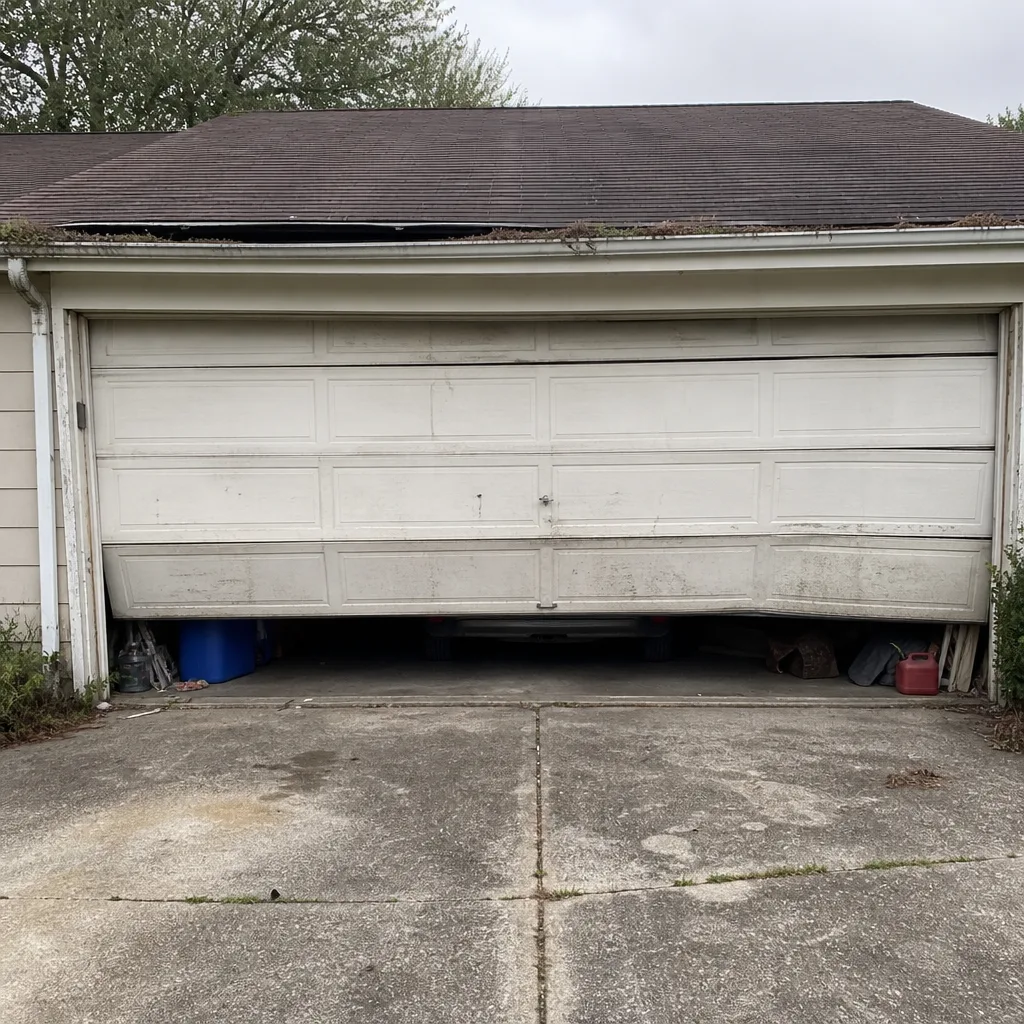 Before
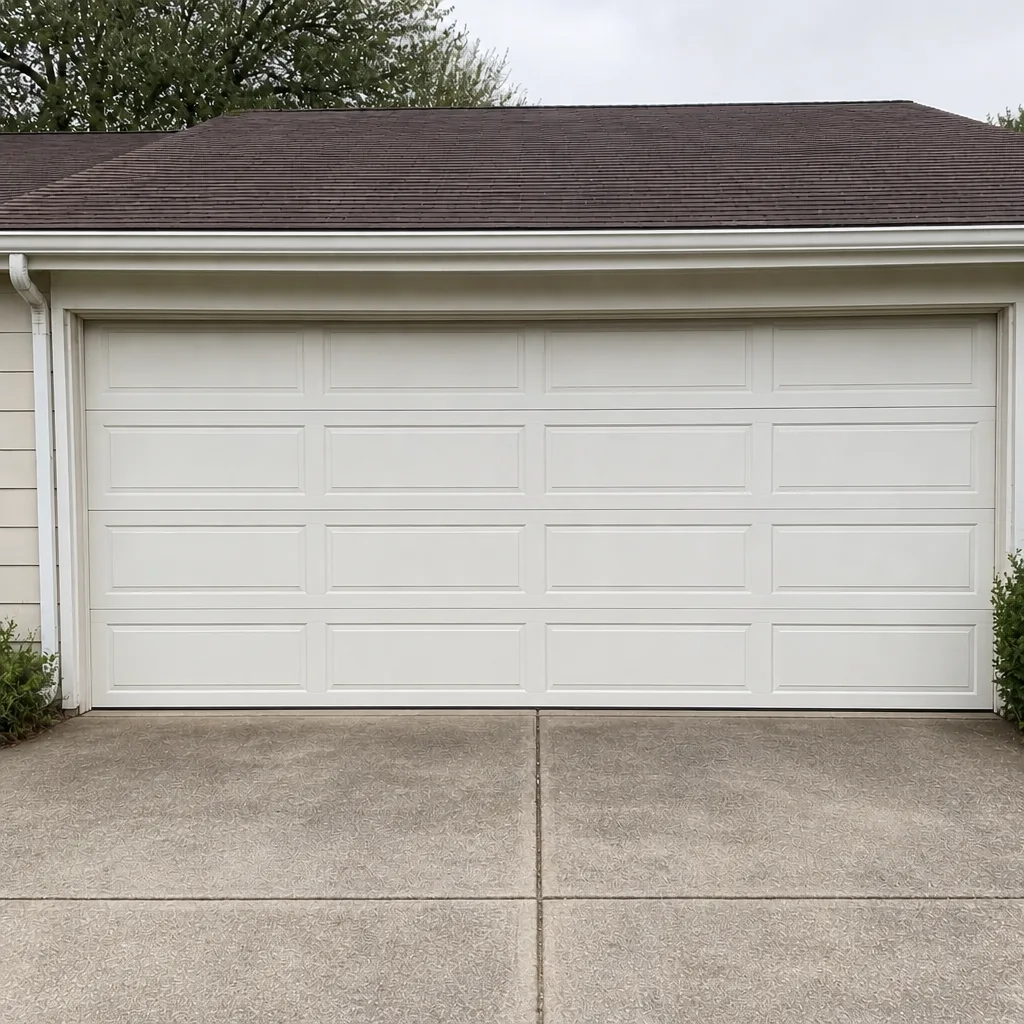 After
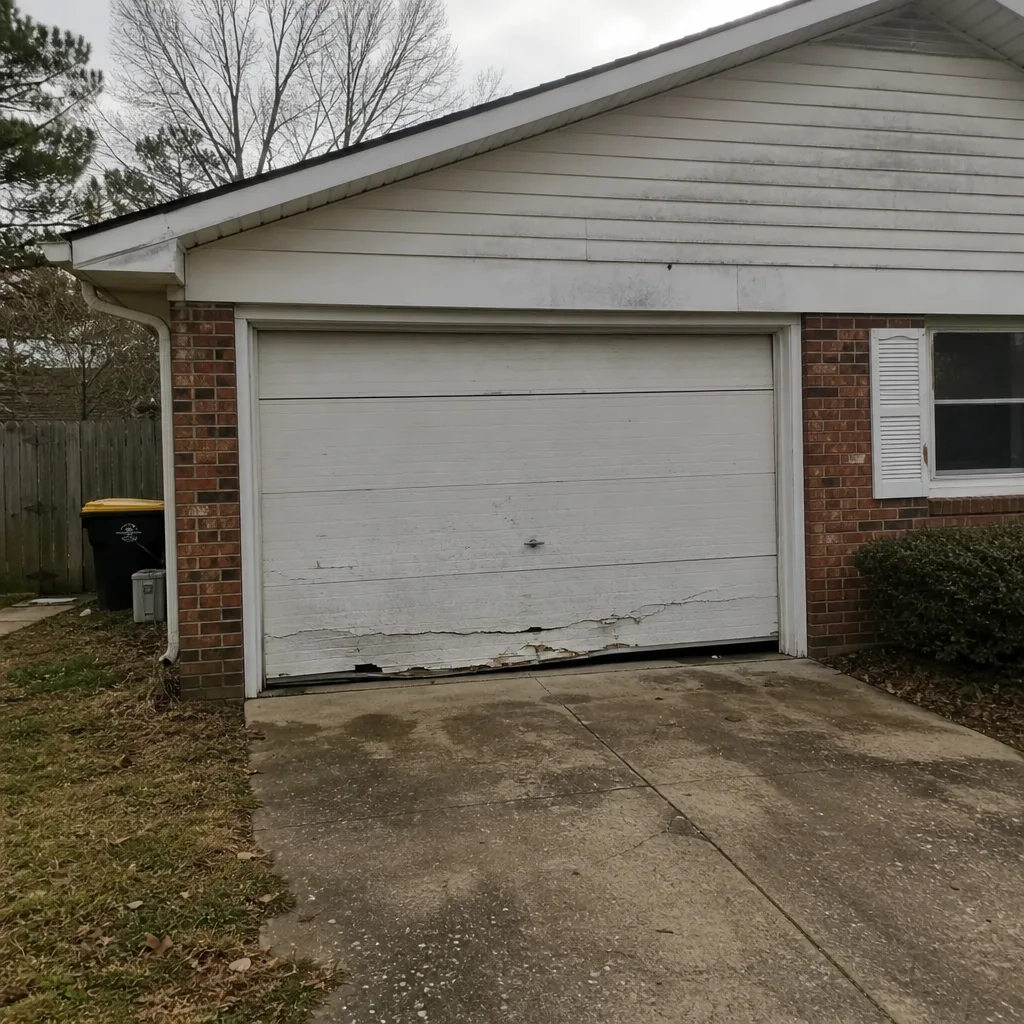 Before
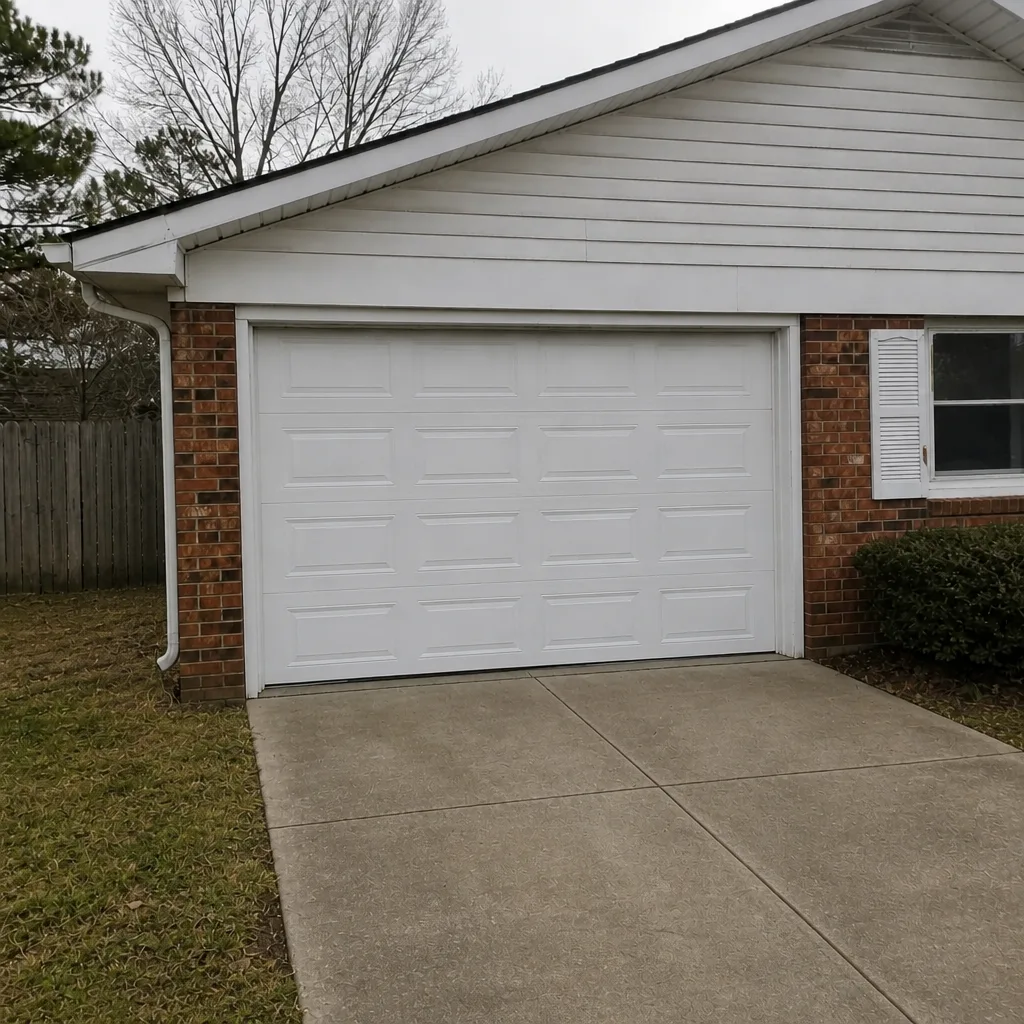 After
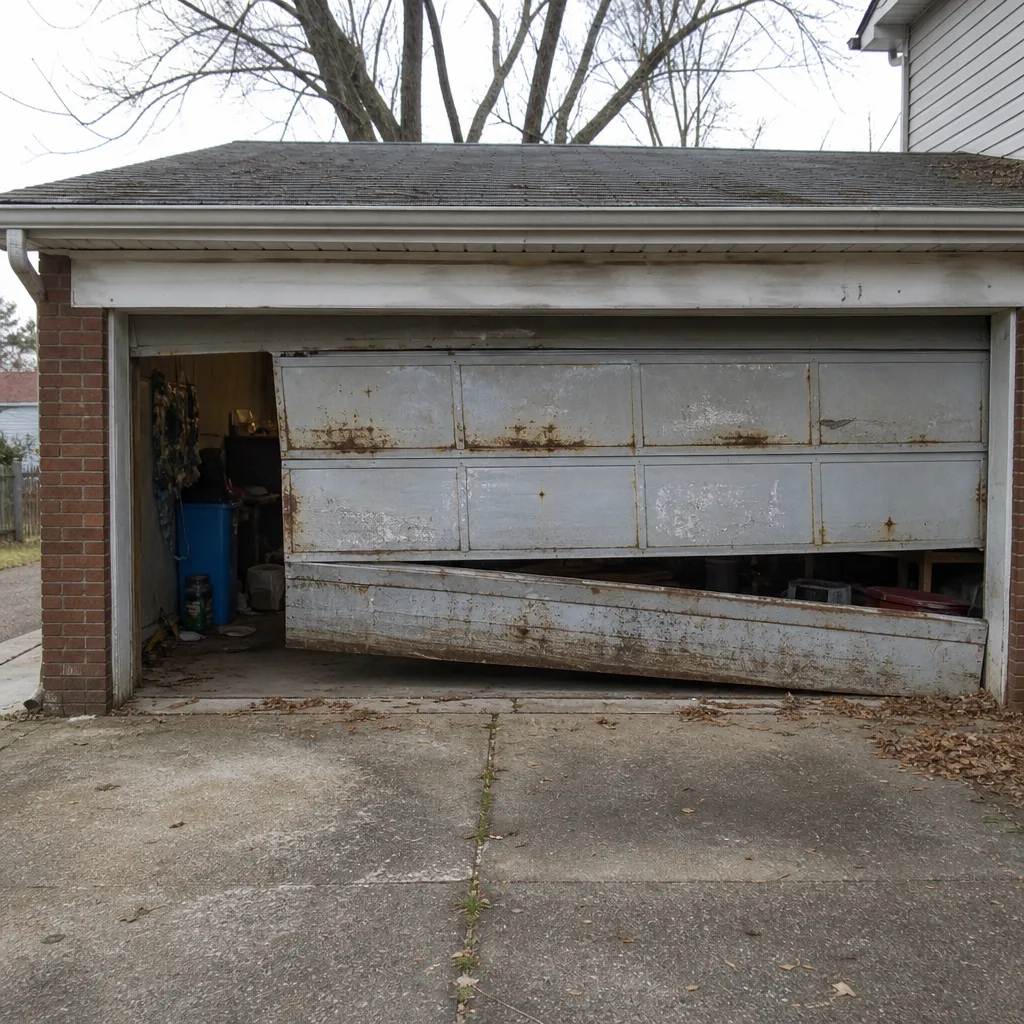 Before
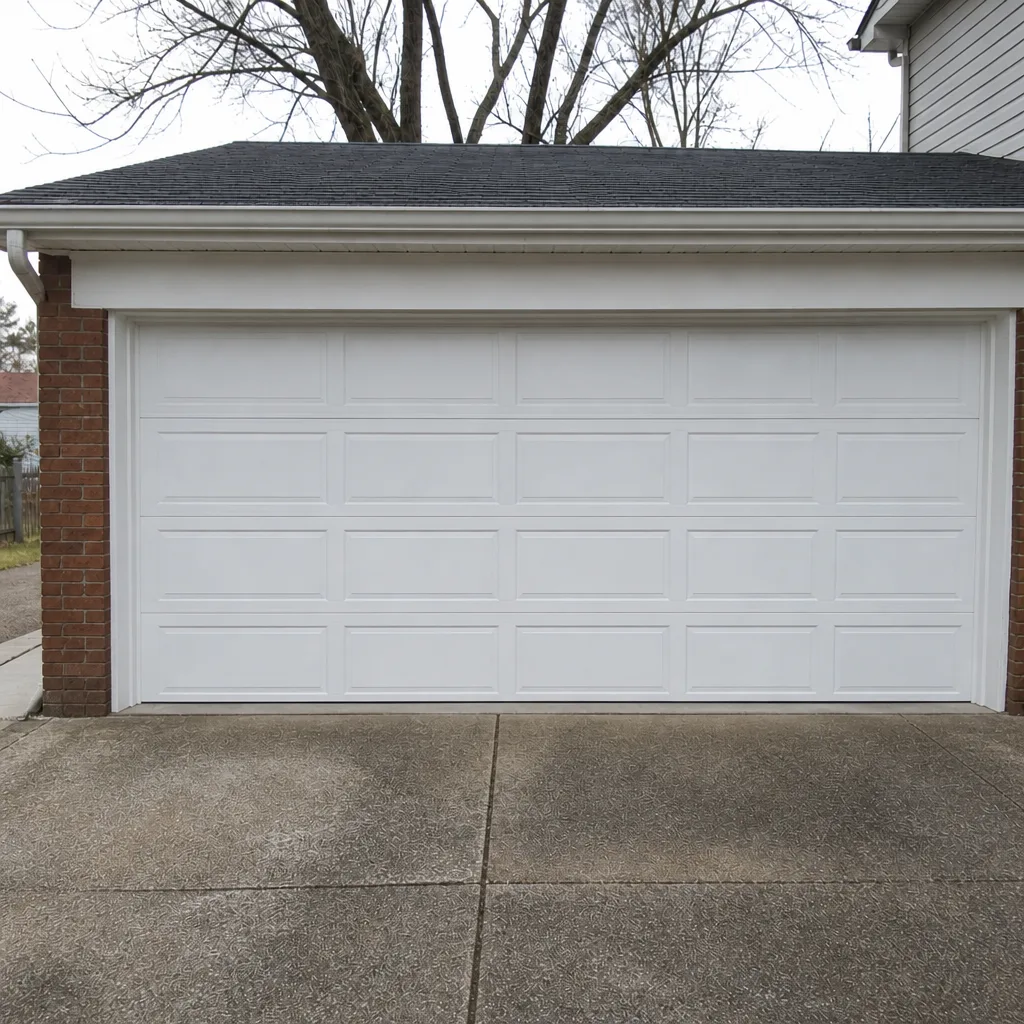 After
When to Call a Professional
Call a professional the moment a task moves from “the door still works” into “the door doesn’t move, or it moves wrong.” A snapped spring or a broken cable is an obvious call. So is a door that’s hanging off one track or won’t close at all. A door that reverses for no reason after you’ve checked and cleaned the sensors counts too, since that’s often a wiring or sensor failure you can’t trace on your own. A grinding opener, a door that stops halfway down, or a track that’s been bent by a bump all warrant a look. Garage Door Repair Green Run offers free estimates in Green Run, and we’ll give you a written price before any work begins so there’s no confusion once the technician is on site. Call (888) 260-6416 and we’ll get you scheduled.
Frequently Asked Questions
No. Torsion spring replacement involves stored energy that releases instantly if a winding bar slips, and it can cause serious injury even to someone who has watched a video. Any reputable technician will tell you the same thing. Call (888) 260-6416 and we’ll schedule the spring repair safely.
Lubrication, safety sensor alignment, remote or keypad reprogramming, and bottom seal replacement are the four jobs most homeowners can handle without risk. They don’t involve stored energy or a powered mechanism you could get caught in. If you’re not sure about a task, describe it and we’ll tell you which category it falls into.
It depends entirely on the job. Lubrication and remote pairing save real money done as DIY. On jobs like a panel replacement or a track issue, the parts cost plus your time plus the risk of a second attempt usually lands close to the professional estimate. When in doubt, ask us for a free estimate before you buy anything.
A wound torsion spring stores enough force to lift the entire door, and that energy is held in place by a very small contact surface. A cable or a loose spring can release at high speed and travel with enough force to cause serious injury. That’s a physics problem, not a skill problem, and it’s why spring work belongs to a trained technician even when the rest of the door repair is something you can handle.
Stop running the opener and don’t force the door down. A garage that won’t close is a security problem as much as a convenience one, and waiting on the correct part leaves the house exposed. Call us for garage door opener repair and we can source the right part and get the door secured, often faster than a reorder would arrive.
Yes, regularly. The key is telling us up front what you attempted and what state the door is in now. That lets the technician assess the starting condition safely rather than discovering it mid-job. Call (888) 260-6416 and we’ll talk through it.
Installation Is a Different Decision
Everything above is about repair. A full garage door replacement is a different calculation, because it involves measuring the opening, matching the door to the existing hardware, and getting the spring system balanced to the new door’s weight. That’s a job where DIY isn’t a serious option for most homeowners, and a specialist who installs doors for a living is the right call. We handle everything from garage door installation to opener setups on the major brands, so the same team that repairs your door can replace it. If you want to know whether a repair or a replacement makes more sense for your door, we’ll give you a free measure and a written estimate, including the option of garage door repair if that’s the cheaper route. For general service and scheduling, our main page at Garage Door Repair Green Run has the full picture.
The Bottom Line
Garage door repair isn’t one skill, it’s a spectrum, and the right answer changes task by task. Lubrication, sensor alignment, remote pairing, and seal replacement are safe, cheap, and well within reach. Panel work and limit switch adjustments are cautious territory where a second attempt makes the math worse. Springs, cables, track alignment, and opener motors belong to a professional, not because the job is frightening but because the stored energy involved makes a mistake genuinely dangerous. Green Run homeowners who sort the task before they start the job, and who are honest with a technician about what they’ve already tried, save money and stay safe. When you’re not sure which bucket a job is in, ask. That’s what we’re here for.
Call Garage Door Repair Green Run at (888) 260-6416 for a free estimate. Our technicians have up to 13 years of experience, and we work on the brands already in your garage, including LiftMaster and Chamberlain systems. Upfront pricing, a written estimate before any work starts, and same-day and emergency service when the door can’t wait.
Written by the team at Garage Door Repair Green Run.